Around this time of year, I start getting the same calls. “We turned on the AC for the first warm day and something doesn’t sound right.”
After years in HVAC, I can tell you most of those early season issues are preventable. A few quick checks now can save you from a breakdown when you need your system the most.
Think of this as your AC wake-up routine. Nothing complicated, just a few smart steps to make sure everything is ready before the first real heat hits.
Start with the Outdoor Unit
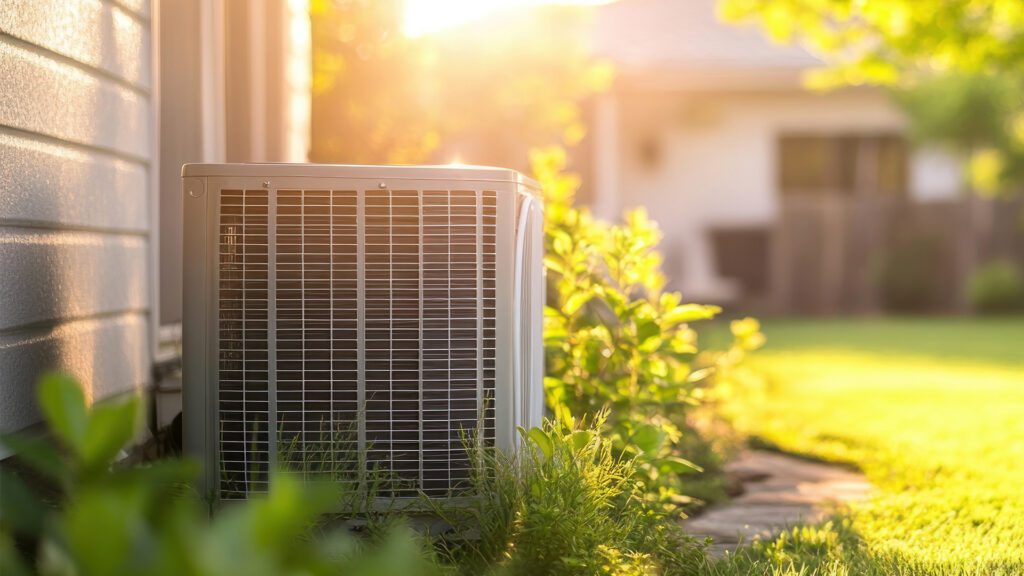
Your outdoor condenser is responsible for releasing heat from your home. If it is covered in debris or crowded by plants, it cannot do that efficiently.
Take a few minutes to clear away leaves, dirt, and anything that has collected around it. Trim back bushes so there is at least a couple of feet of open space on all sides. Make sure nothing is sitting on top of the unit.
When air can move freely, your system does not have to work as hard to keep your home cool.
Check Airflow Inside
Before switching your thermostat to cool, walk through your home and look at your vents.
Make sure they are not blocked by furniture, rugs, or storage. Check that they are open and not covered in dust.
Even one blocked vent can throw things off. You may notice some rooms feel warmer than others or the system runs longer than it should. Good airflow keeps everything balanced and comfortable.
Listen When You Turn It On
When you start your AC for the first time, pay attention to what you hear.
A system in good shape sounds steady and consistent. If you hear rattling, buzzing, or grinding, it is worth taking note. Those sounds can point to loose parts, debris, or components that need attention.
Catching it early can mean a simple fix instead of a larger repair later.
Replace or Clean the Air Filter
This is one of the simplest things you can do, and one of the most important.
A dirty filter restricts airflow, puts extra strain on your system, and affects indoor air quality.
As a general rule, replace your filter every three to six months. If you have pets, allergies, or a busy household, you may need to do it more often.
Test the Thermostat
Your thermostat controls everything, so it is worth making sure it is working properly.
Switch between heating and cooling and confirm the system responds. Check that the display is clear and responsive. Make sure the temperature you set matches how the home actually feels.
If your thermostat is older, upgrading to a programmable or smart model can help improve comfort and reduce energy use over the summer.
Know When to Call a Professional
Some things are better handled by a trained technician, especially before the first heat wave when schedules fill up quickly.
It is a good idea to call if your system is not cooling properly, if you feel warm air coming from the vents, if your energy bill jumps unexpectedly, or if you notice unusual smells or moisture around the unit. Also, if it has been more than a year since your last tune-up, it is time.
A professional inspection includes checking refrigerant levels, cleaning coils, tightening electrical connections, and making sure everything is running safely and efficiently.
A Comfortable Start to the Season
Taking a little time now to prepare your AC can make a big difference. It helps avoid mid-season breakdowns, keeps energy costs in check, and makes sure your home stays comfortable when temperatures rise.
Here in Southern California, warm weather can show up quickly. A little preparation now means you will be ready when it does.