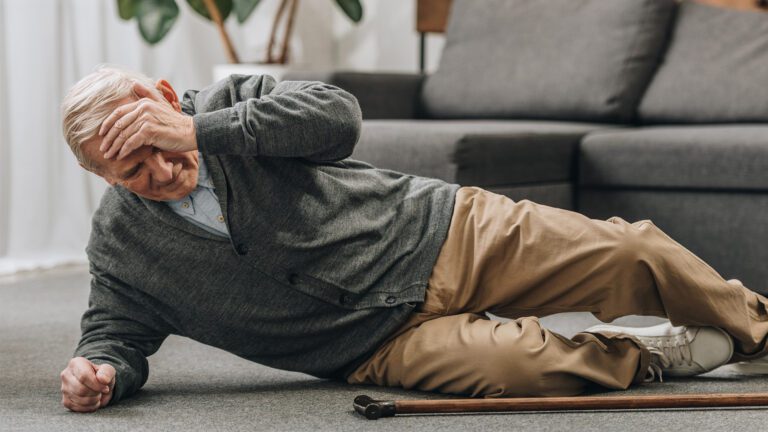
Many people assume falls are simply a normal part of getting older. They aren’t. Falls can have a significant impact on an older adult’s health, confidence, and independence. In fact, more than 1 in 4 adults age 65 and older report falling each year. The good news is there are many ways to reduce the risk.
Here are 10 common myths about falls, and the facts you should know.
Myth 1: Falling will never happen to me.
Reality: Falls are more common than many people realize. Even if you have never fallen, understanding your risk factors and taking preventive steps is important.
Myth 2: Falling is just a normal part of aging.
Reality: Falls are not an inevitable part of getting older. Staying active, improving strength and balance, checking your vision, reviewing medications, and making your home safer can all reduce your risk.
Myth 3: I will be safer if I limit my activity.
Reality: In many cases, the opposite is true. Inactivity can decrease strength and balance. Regular physical activity, particularly exercises that strengthen your legs and improve balance, can help you stay safer and more independent.
Myth 4: If I stay home, I will not fall.
Reality: Many falls happen at home. Reduce hazards by removing loose rugs and clutter, improving lighting and adding grab bars in bathrooms and handrails on stairs.
Myth 5: Once I have lost muscle strength, I can’t get it back.
Reality: It is never too late to become stronger. Regular exercise can improve strength, flexibility, and balance, even if you haven’t been particularly active in the past.
Myth 6: My medications do not affect my fall risk.
Reality: Some medications can cause dizziness, drowsiness, or balance problems. Review prescriptions and over-the-counter medications with your doctor or pharmacist, especially when starting something new.
Myth 7: I do not need regular eye exams if my vision seems fine.
Reality: Vision changes can happen gradually and increase fall risk. Older adults should have their eyes checked regularly and keep eyeglass prescriptions up to date.
Myth 8: Using a cane or walker means I will not fall.
Reality: Canes and walkers can improve stability, but only when properly fitted and used correctly. A healthcare professional or physical therapist can help determine the right device and fit.
Myth 9: If I talk about falling, my family will limit my independence.
Reality: Talking about fall risk can help protect your independence. If you have fallen, feel unsteady or are afraid of falling, tell your family and healthcare provider. Addressing concerns early can help you remain safely independent longer.
Myth 10: It is none of my business if I’m concerned about an older loved one falling.
Reality: Do not be afraid to start the conversation. Offer support by helping identify hazards, encouraging a conversation with their healthcare provider or finding ways to improve strength and balance.
Fall prevention is not about limiting someone’s independence, it’s about protecting it. A few simple changes and greater awareness can go a long way toward helping older adults remain safe, confident, and independent at home.
Any content, resident submissions, guest columns, advertisements, and advertorials are not necessarily endorsed by or represent the views of Best Version Media LLC (BVM) or any municipality, homeowners associations, businesses, or organizations that this publication serves. BVM is not responsible for the reliability, suitability, or timeliness of any content submitted, inclusive of materials generated or composed through artificial intelligence (AI). All content submitted is done so at the sole discretion of the submitting party.