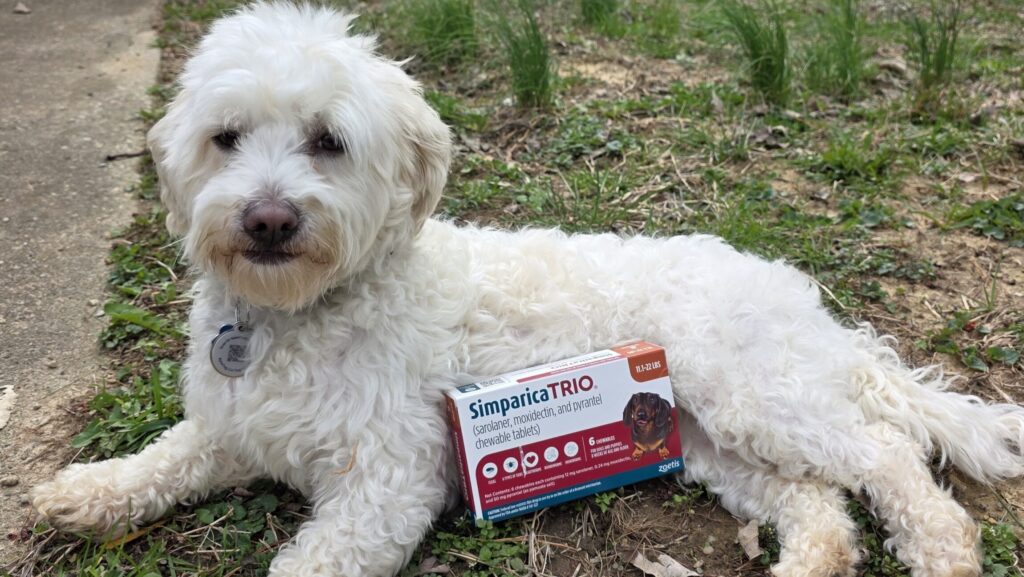
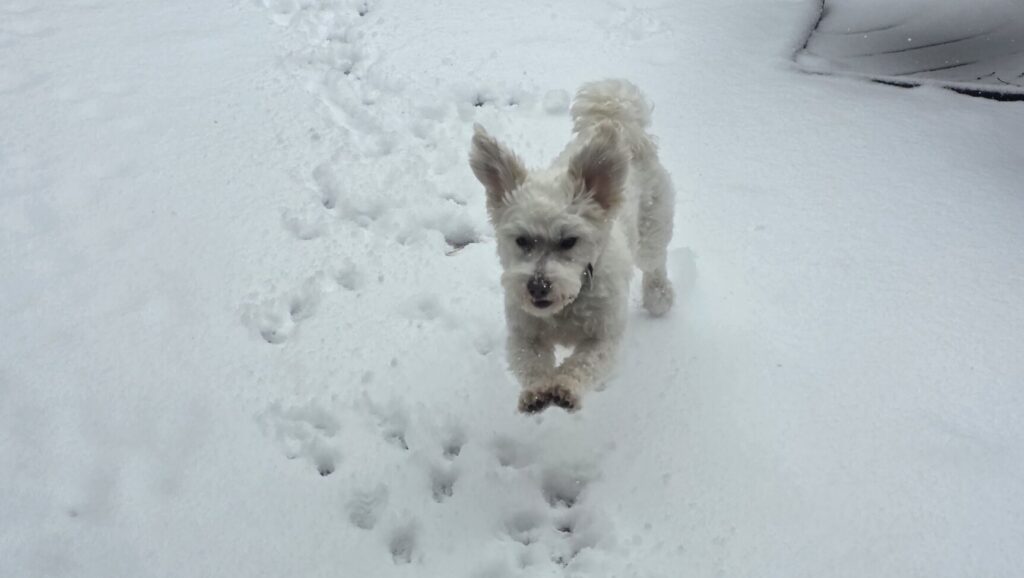
Cold weather can be a wonderland — but for pets, winter brings real risks. Keep your companion safe and comfortable this season with these practical, easy-to-follow tips.
- Start with shelter and warmth. Short-haired, small, elderly, or sick pets struggle with cold more
than you might expect. Bring cats and other small animals indoors; even hardy barn cats benefit
from heated shelters or insulated boxes. - Mind the walk routine. Shorten walks during extreme cold; opt for multiple short outings instead
of long excursions. Use reflective gear and a secure leash when daylight is limited. Consider pet
booties to protect paws from ice, salt, and chemical de‐icers — if your pet rejects booties, wipe
and check paws after every walk and trim excess fur between paw pads to reduce ice buildup. - Watch for hidden dangers underfoot. Antifreeze has a sweet taste but is deadly; store it securely
and clean any spills immediately. Keep pets away from frozen ponds and bodies of water — thin
ice can be fatal. Also be cautious around heaters, heating pads and fireplaces; pets can suffer
burns from hot surfaces and embers. Don’t let your pet have access to these heating devices
unattended. - Ensure fresh water is always available — use heated bowls or change frozen water frequently
to prevent dehydration. - Grooming matters. Regular brushing removes snow, ice, and loose fur so coats insulate better.
- Don’t shave coats too short in winter; a slightly longer coat helps retain warmth. Check for signs
of frostbite (pale, cold skin) and hypothermia (lethargy, shallow breathing) and seek veterinary
care if you suspect either. - Finally, update identification. Cold weather can scatter familiar scents and lead to lost pets.
Make sure collars, tags, and microchip information are up to date.
This winter, thoughtful preparation and small daily checks can keep your pet safe, warm, and happy — so you can enjoy the season together.