Pugs, French bulldogs, and English bulldogs have become very popular breeds over the last 15 years due to their general cuteness and amazing personalities. But those smooshy, lovable faces come with a catch: there’s simply more soft tissue stuffed into their heads than the space was designed for. That’s the heart of brachycephalic airway syndrome—a condition where the nostrils, palate, and throat just don’t leave enough room for easy breathing. What many owners think is “cute snoring” is actually their dog powering through life with a built-in snorkel that’s way too short. As these dogs age, the constant extra effort can lead to inflammation, heat intolerance, and a lot of dramatic “I’m tired after walking across the living room” moments.
Because their airways are living in cramped quarters, these dogs develop all kinds of quirks that aren’t quite as adorable as their personalities. Stenotic nares—those little slit-like nostrils—force them to work harder than a toddler with a stuffy nose. Their elongated soft palates can flop around like a damp towel in the back of their throats, causing snorting, gagging, reverse sneezing, or that famous “Frenchie death roar” owners know all too well. Over time, the airway strain can pull throat tissues inward, making it even tougher to breathe. Add poor heat tolerance and a tendency toward regurgitation, and suddenly you realize your playful little potato is battling more than just dramatic flair. These dogs want to run and play—they just need a bit of help to breathe like they mean it.
That’s where we come in. At our hospital, we use advanced laser technology and a modern vessel-sealing device to give these squish-faced companions a much-needed breathing upgrade. The laser allows us to widen those tiny nostrils with crisp precision, instantly turning “I can’t breathe” into “Wow, fresh air is amazing!” For that extra-long soft palate, we can use our laser or our vessel sealer to trim and seal the tissue with minimal bleeding and swelling—kind of like giving your dog’s airway a well-deserved makeover. These tools mean safer procedures, smoother recoveries, and far fewer post-op complications. Ideally, these procedures should be done when patients are young. Waiting to see if there’s a problem down the road often leads to more advanced issues that require referral to a board-certified surgeon (and a lot more money…) to repair.
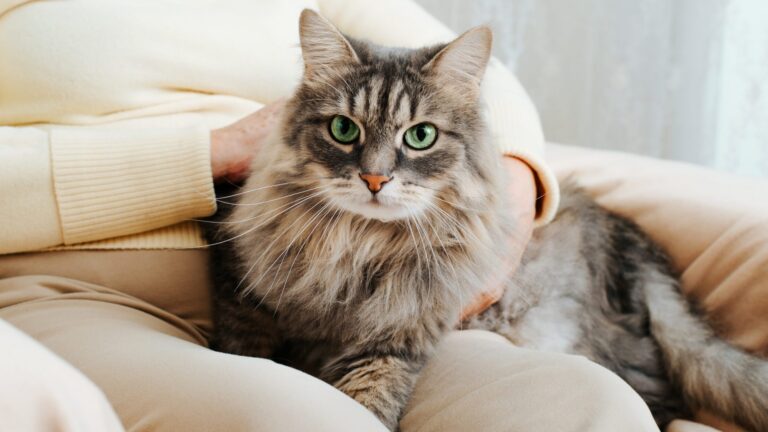
Similar issues can be seen in some flat-faced cat breeds as well, such as Himalayans. Though cats tend to only have issues with the nares, they can also be easily repaired. We love helping these breeds breathe easier, feel cooler, and get back to living their best, snort-filled, tongue-lolling, joyfully chaotic lives.
Any content, resident submissions, guest columns, advertisements, and advertorials are not necessarily endorsed by or represent the views of Best Version Media LLC (BVM) or any municipality, homeowners associations, businesses, or organizations that this publication serves. BVM is not responsible for the reliability, suitability, or timeliness of any content submitted, inclusive of materials generated or composed through artificial intelligence (AI). All content submitted is done so at the sole discretion of the submitting party.