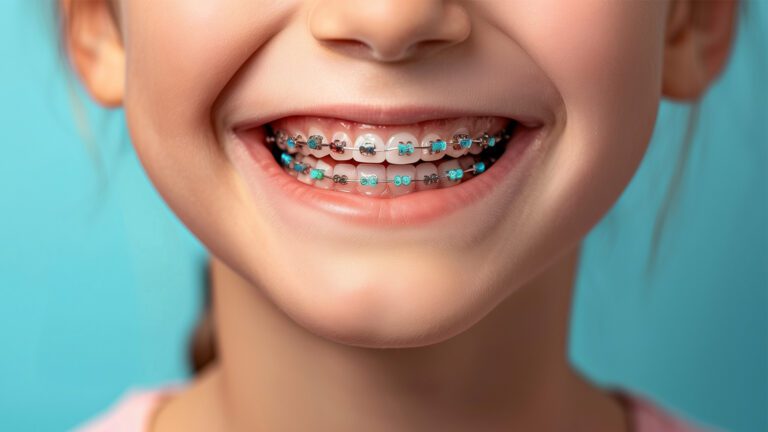
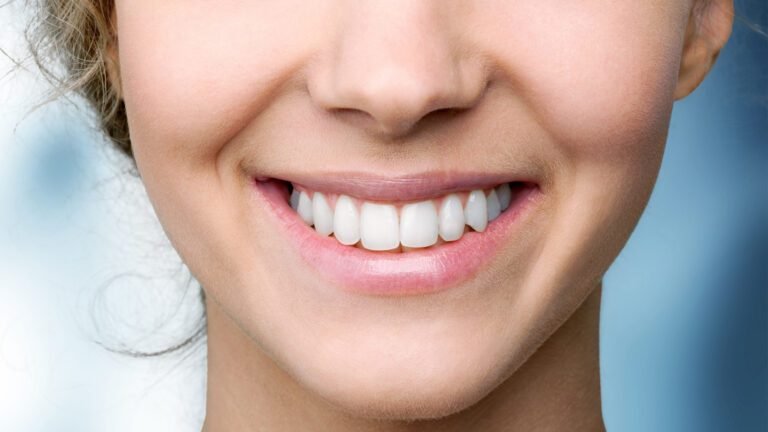
How can parents support their teen during treatment?
Starting orthodontic treatment is a big moment for teens. It influences more than just their smile. It affects their confidence, routine, and often their sense of independence. As both an orthodontist and a father of three, I understand the emotional and practical sides of the journey. Teens may not always talk openly about how they are feeling during treatment, but small signs of frustration or discomfort are common. As a parent, your encouragement, reminders, and emotional support go a long way. Helping them stick with brushing routines, keeping up with appointments, or remembering aligner wear shows them they are not going through this alone.
This process is a team effort. When teens feel supported at home and know their effort is being recognized, they become more confident and invested in their own success.
What changes should families expect early on?
The first week of treatment is often the hardest. Whether your teen is wearing braces or Invisalign, everything feels unfamiliar at first. There may be mild soreness as the teeth begin to shift. They might struggle with what they can or cannot eat. Their speech may sound slightly different, and they might feel self-conscious about their appearance. At our office, we help each teen understand what is normal, how to ease discomfort, and how to care for their new appliance. At home, parents can support by making small adjustments. Stock the kitchen with
soft foods. Set up a spot in the bathroom for extra hygiene supplies. Encourage patience when things feel uncomfortable. With a little time and support, most teens settle into their routine and begin to feel proud of their progress.
How can parents help build their teen’s confidence?
Confidence during orthodontic treatment is not always automatic. It often takes time, especially when a teen is still adjusting to changes in their appearance and daily habits. Some feel anxious about how they will look or sound. Others worry about being different from their peers. These feelings are completely valid and very common. Parents can make a big impact by reinforcing the positives. Point out when their teeth begin to shift and look more aligned. Celebrate when they follow through with their care on their own. Remind them why they started and how proud you are of their progress. Confidence grows with consistency and support. Many teens begin to carry themselves differently once they start seeing change. Helping them focus on progress
rather than perfection can give them the boost they need.
How can teens stay on track with a busy schedule?
Teenagers today are balancing full schedules that often include school, sports, extracurricular activities, jobs, and social time. Orthodontic care needs to blend into their daily life without becoming a burden. We work with families to create plans that are flexible and realistic, especially during high-pressure times of the year. For teens using Invisalign, we recommend simple routines for storing and cleaning aligners throughout the day. Braces patients benefit from travel-sized hygiene kits they can keep in their backpack or locker. Building healthy habits into their schedule from the beginning helps teens stay consistent even when life gets busy.
Giving them some responsibility in managing their care can also increase their confidence.
Whether it is choosing their rubber band colors or tracking their aligner wear, small choices give them a sense of control and commitment to their treatment.
How do you choose between braces and Invisalign for teens?
The right treatment option depends on your teen’s needs, lifestyle, and personality. Both braces and Invisalign are excellent tools. What matters most is finding the one that fits your teen best and supports their long-term success. Braces are a great option for teens who may need a little more structure. Since they cannot be removed, there is less to manage on a daily basis. Braces are effective for more complex cases and are always working. Invisalign can be ideal for teens who are responsible and motivated to follow guidelines. Being removable makes it easier for teens to eat and brush, which some find more comfortable and convenient. During our consultation, we take time to explain both options clearly, answer questions, and offer a recommendation based on your teen’s goals and readiness. Every smile is different. The best choice is the one your teen feels confident using consistently.
What should parents keep in mind throughout treatment?
Orthodontic care is not just a medical process. It is a personal journey that shapes how a teen feels about themselves. Their smile may be the visible outcome, but the emotional growth that happens during treatment is just as important. Support matters more than perfection. It is okay if your teen forgets something now and then or feels discouraged for a day. What matters is how we respond to those moments. Stay positive. Be patient. Offer reminders without pressure. Celebrate their effort even more than the outcome. I have seen teens become more confident, independent, and self-aware through this process. As a parent, you will likely see those shifts too. And when that final smile is revealed, it represents more than straight teeth. It reflects growth, discipline, and pride. Being part of that transformation is something I am truly honored to support both in my office and at home with my own kids.
Any content, resident submissions, guest columns, advertisements, and advertorials are not necessarily endorsed by or represent the views of Best Version Media LLC (BVM) or any municipality, homeowners associations, businesses, or organizations that this publication serves. BVM is not responsible for the reliability, suitability, or timeliness of any content submitted, inclusive of materials generated or composed through artificial intelligence (AI). All content submitted is done so at the sole discretion of the submitting party.