January is traditionally the coldest month of the year in Minnesota. How do the birds survive the extreme cold temperatures that Minnesota winters can bring? It’s no small feat to live outside in the winter. Birds and wildlife must adapt and plan ahead if they want to make it to the next spring. For birds and others, the two main priorities are finding shelter and finding food.
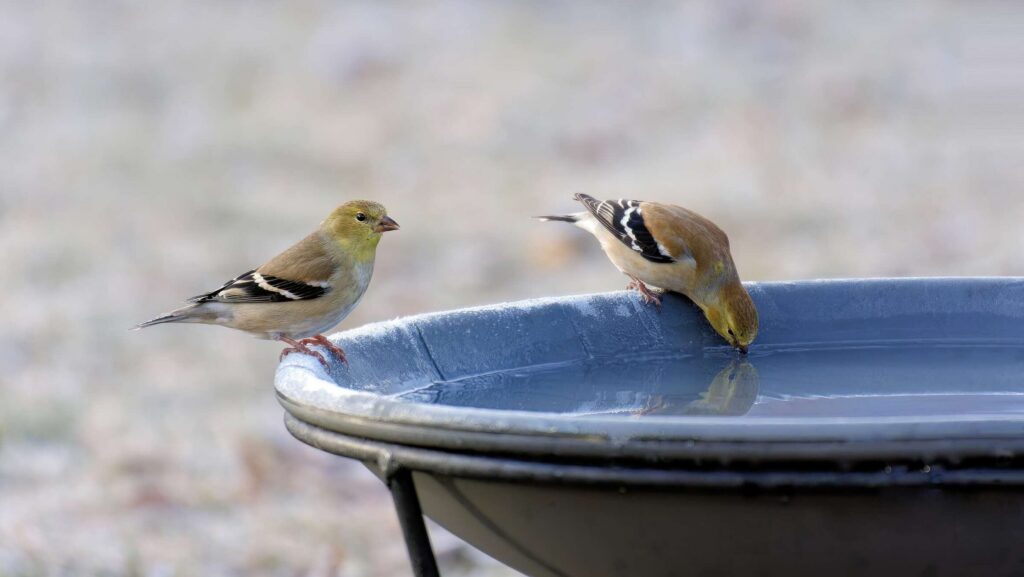
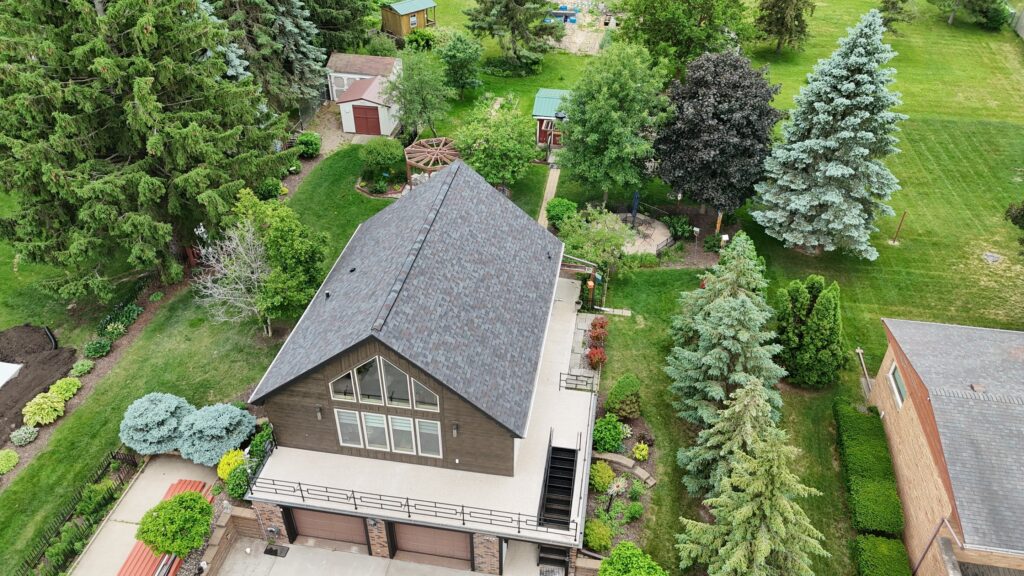
Birds will seek shelter in trees that still offer some protection, like evergreen trees and shrubs. Evergreens offer year-round protection for songbirds and are a great choice if you’re planting trees in your yard. Songbirds will also find shelter in tree cavities (hollows created by woodpeckers in the past to nest in), brush piles and even vacant bird houses. Roosting boxes are a special kind of “bird house” that has the entrance towards the bottom of the house and a ladder type feature inside for one or more birds to perch on while they wait out a blizzard or brutal temps. Other species of birds, like goldfinches, will huddle in groups overnight to help each other conserve heat.
In addition to finding shelter, birds stay warmer by fluffing up their feathers to create better insulation in winter, and many molt summer feathers in the early fall to replace them with thicker feathers meant for the colder weather ahead. Torpor is a term for a type of hibernation that some birds use at night to lower their body temperature and heart rate at night in order to conserve energy. This can drop their body temp by as much as 10-20 degrees. That’s a chilly evening!
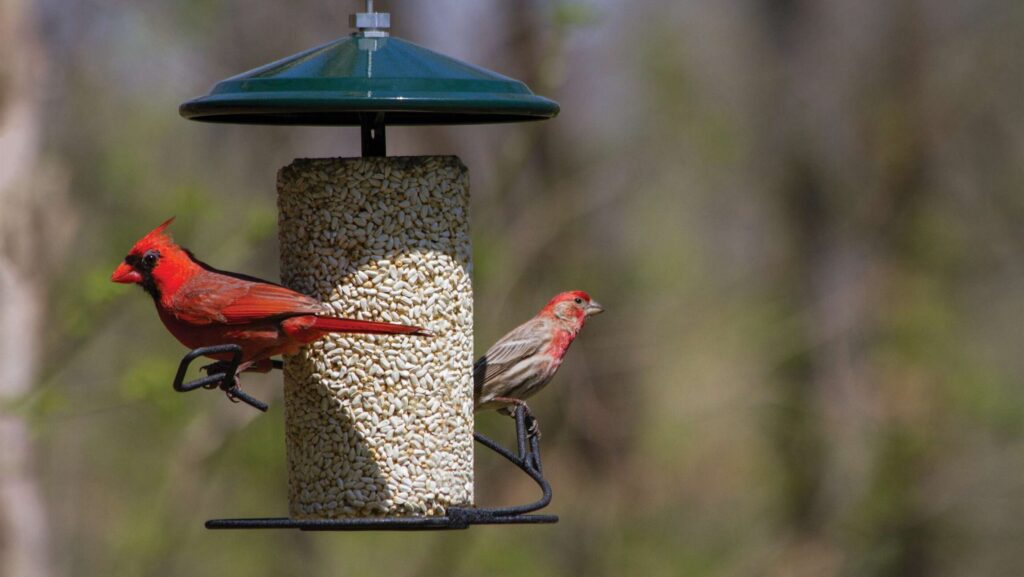
Food can be much scarcer in winter as the snow covers much of the ground and insects aren’t available. Many birds have thought ahead and cached away seeds in the fall when food was more abundant and easier to find. They will remember where they stashed the seeds and find them as needed. Others scavenge for the leftover seeds on whatever plants they can still access. Some birds that eat fruit, such as robins (some do overwinter in MN), woodpeckers and cedar waxwings, will find fruits leftover on trees such as crabapples, juniper, mountain ash and chokecherries. And of course, human offered bird feeders can be a lifesaver at times.
Birds you’ll see at your feeders in the winter here include: cardinals, chickadees, blue jays, juncos, house finches, goldfinches, mourning doves, house sparrows and several kinds of woodpecker species. They’ll appreciate foods that are high in fat. Peanuts, sunflower, nutra-safflower and suet products all have high calories and fat content that help them rebuild their fat stores which get depleted each night. Also, a water source, such as a heated bird bath, provides them access to water so they don’t have to eat snow which burns more precious calories. People are often surprised by how many birds a heated bath attracts, but with liquid water being so scarce in winter, it’s a goldmine for birds. Many critters such as squirrels, deer and other wildlife can also find their ways to the water in winter, so don’t be surprised if you see more than birds at your heated bath!
Keep your feeders and baths clean and filled and the birds will reward you with the enjoyment of bringing their color and personalities to your yard each day!
Any content, resident submissions, guest columns, advertisements, and advertorials are not necessarily endorsed by or represent the views of Best Version Media LLC (BVM) or any municipality, homeowners associations, businesses, or organizations that this publication serves. BVM is not responsible for the reliability, suitability, or timeliness of any content submitted, inclusive of materials generated or composed through artificial intelligence (AI). All content submitted is done so at the sole discretion of the submitting party.