Every pet, whether they are a high-energy adventurer, a slow-and-steady stroller, or somewhere in the middle, benefits from safe, enjoyable movement. Activity doesn’t have to look like fast fetch games or marathon walks. With a little creativity, pets of all ages, sizes, and personalities can enjoy low-impact exercises that support their physical and emotional well-being.
The key is pairing gentle, thoughtful activities with an understanding of your pet’s body language, so you always know when they feel confident, comfortable, and ready for more.
Why Low-Impact Activities Matter for All Pets
All pets—even the relaxed, cautious, or recovering ones—can benefit from activities that encourage movement without overdoing it. Low-impact options are accessible, adaptable, and easy to tailor to each pet’s needs. They allow for safe exploration, strengthening, and bonding without the strain of high-impact play. These gentler forms of exercise can:
• Burn energy safely
• Build strength without excessive stress
• Support healthy joints and posture
• Boost confidence and curiosity
• Provide essential mental enrichment
You don’t need special equipment or a complicated routine. Just keep activities fun, varied, and guided by how your pet is feeling in the moment.
Low-Impact Activities That Keep Pets Moving
1. Controlled Walks with Purpose
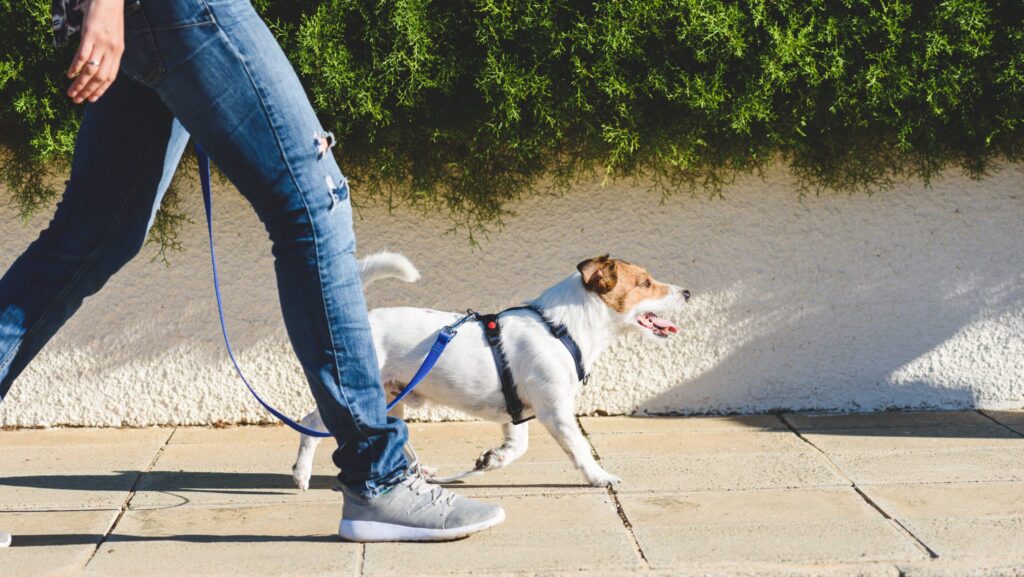
Think sniffaris! Let your dog explore, sniff, and wander within reason. Slow, attentive walks work muscles and the brain while keeping everything safe and steady.
2. Interactive Play Without the High Jumps
Tug, controlled fetch with a soft toy, hide-and-seek, or rolling treat balls offer excitement with less impact.
3. Gentle Hill Walks or Ramp Work
Short inclines naturally build strength. Even a backyard hill or indoor ramp can offer a great workout.
4. Balance and Body Awareness Exercises
Standing on a cushy bed, stepping over broomsticks, or walking on different textures helps pets engage their core and coordination.
5. Low-Impact Water Adventures
Wading in shallow water, supervised paddling, or even splashing around can be a fun outlet for dogs who love getting wet.
As you introduce these activities, the real key is paying attention to how your pet feels during movement.
Reading Your Pet’s Body Language: Are They Comfortable or Unsure?
Your pet tells you everything-just not with words. Understanding the subtle signs of body language helps you adjust activities, so they stay fun, safe, and confidence-building.
Signs Your Pet Is Comfortable & Engaged:
• Relaxed tail that moves naturally
• Ears soft and neutral
• Willingness to approach or continue the activity
• A loose, wiggly body
• Bright, curious eyes
• Happy panting (not excessive)
• Taking treats eagerly
These signs say, “This is fun! Let’s keep going.”
Signs Your Pet Might Be Unsure or Needs a Break:
• Tucked tail or stiff posture
• Avoiding eye contact
• Moving slowly or hesitating to participate
• Lip licking, yawning, or pacing
• Holding up a paw, shifting weight frequently
• Refusing treats (even favorite ones)
• Seeking distance or hiding behind you
If you spot these early cues, it’s your signal to pause, make things easier, or try something different.
Building Confidence Through Supportive Activity
When you pair low-impact movement with thoughtful observation, you create the perfect environment for your pet to grow stronger, physically, and emotionally.
Try:
• Starting with short sessions and gradually increasing time
• Celebrating small wins with praise and treats
• Allowing plenty of rest
• Letting your pet choose the pace when possible
• Ensuring surfaces are non-slip safe
Confidence blooms when pets feel supported, understood, and never overwhelmed.
The Takeaway
Keeping pets happy and healthy doesn’t require high-intensity exercise or long, strenuous outings. Low-impact activities offer safe, enriching, and enjoyable ways for pets of all ages, abilities, and personalities to stay active. And when you pair these activities with an understanding of your pet’s body language, you create opportunities for confidence, comfort, and meaningful connection. Every pet communicates in their own way. By observing their signals and choosing activities that feel good for them, you ensure movement stays positive, supportive, and tailored to their unique needs—helping them thrive in body and spirit.
Any content, resident submissions, guest columns, advertisements, and advertorials are not necessarily endorsed by or represent the views of Best Version Media LLC (BVM) or any municipality, homeowners associations, businesses, or organizations that this publication serves. BVM is not responsible for the reliability, suitability, or timeliness of any content submitted, inclusive of materials generated or composed through artificial intelligence (AI). All content submitted is done so at the sole discretion of the submitting party.