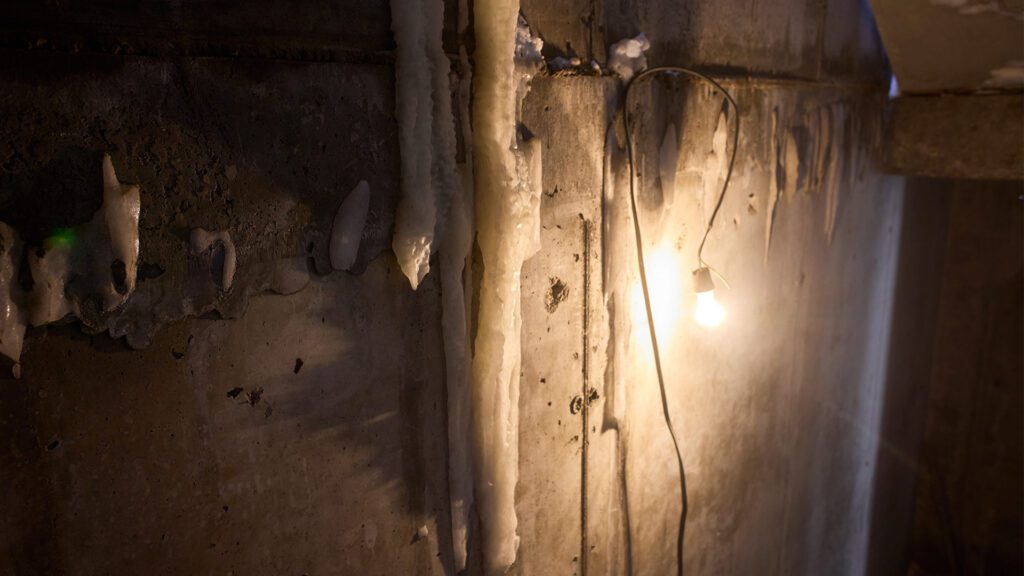
Spring can be a welcomed breath of fresh air. Birds return, grass pushes through the soil, and the air grows lighter. While it is easy to get excited with the first glimpse of warmth, it is important that homeowners remain mindful that the ground may not be fully thawed. Melting snow saturates the ground, increasing pressure around foundations. As a result, basement leaks become a common and often unexpected issue.
Being the lowest point in a home, basements are first to feel the effects of rising groundwater. When snow melts too quickly for the surrounding soil to absorb it, excess water has nowhere to go. As pressure builds, that water searches for the path of least resistance, often forcing its way through small cracks, joints, or porous masonry in basement walls and floors.
What Happens During the Spring Thaw?
The word “thaw” may sound harmless, but it represents a powerful process. When temperatures rise rapidly after months of accumulated snow, vast amounts of water are suddenly released into the soil. It is like dumping a giant bucket of water onto frozen or tightly compacted ground. There is simply nowhere for it to go.
Here is what happens step by step:
- Snow and ice begin melting rapidly in late winter or early spring.
- The frozen ground beneath prevents proper absorption.
- Water builds up around home foundations, driveways, and low-lying yards.
- Pressure starts forming against anything underground, especially basement walls.
Research shows that water damage has overtaken fire as the leading cause of home insurance claims, costing Canadian homeowners billions of dollars each year. A significant share of these claims stems from basement flooding caused by seasonal thawing.
As snowmelt becomes excess groundwater, the surrounding soil swells like a sponge, exerting intense pressure on basement foundations, a force known as hydrostatic pressure. Over time, even solid concrete walls can give way under constant stress. The result is cracks, leaks, and in many cases, flooding.
This is why experts consistently identify spring as the most dangerous season for basements. The rapid transition from frozen ground to waterlogged soil places unprecedented strain on a home’s foundation, making it more vulnerable than at any other time of year.
Why Basements Are the First to Suffer From Leaks
Basements are surrounded by soil on all sides, and when that soil becomes saturated by rain, groundwater naturally moves downward. Because the basement sits at the lowest point, it becomes the most vulnerable area and often the easiest path for water to reach.
Think of it this way. Place a dry sponge in a bowl of water and it absorbs everything around it. Cracks, gaps, and weak points in basement walls and floors behave the same way, drawing in moisture once water reaches the foundation.
Basements tend to suffer first for three reasons:
- Hydrostatic Pressure: Water accumulating outside pushes against the walls of the basement until it leaks in.
- Bad Drainage Systems: Old or blocked gutters, downspouts, and perimeter drains are unable to support the amount of water.
- Weakness of Foundation: Small cracks that appeared harmless during the summertime now appear as a point of entry for gallons of water.
Recent reports indicate that over 60% of homes in North America experience some form of basement water issue, a risk that is especially high in regions with heavy snowfall followed by spring thaws.
Basements often bear the brunt of melting snow. Once water enters, it does not just sit on the surface. It seeps in, damaging floors, destroying stored items, and creating long-term moisture problems. Persistent dampness encourages the growth of mold and mildew, posing serious health risks to families.
In short, when leaks appear after a thaw, the basement is almost always the first place you will notice them.
Common Signs of Spring Thaw Can Lead to Basement Leaks
Basement flooding does not always start with obvious leaks. Often, the early warning signs are subtle and can easily be overlooked until the problem grows more serious. Here are some key warning signs homeowners should watch for:
- Musty Odours: A musty smell is a sure indication of concealed moisture.
- Water Stains: Dark spots or streaks on walls and floors indicate that water has leaked in.
- Wall or Floor Cracks: Even hairline cracks may allow water to get in.
- Peeling Paint or Efflorescence: White, dry crusts indicate that water is evaporating through the walls.
- Mould or Mildew Growth: Commonly noticed in corners, underneath carpets, or beside baseboards.
According to one survey, 38% of homeowners who reported basement leaks first noticed only a musty smell. Water appeared later. This highlights the importance of early detection.
Ignoring these warning signs can lead to serious consequences, including damaged furniture, compromised electrical systems, and decreased property value. Once mold takes hold, professional remediation can cost thousands of dollars.
So even if you do not see a puddle, do not assume your basement is dry. The effects of the spring thaw may already be silently at work behind the walls or beneath the floor.
How to Protect Your Home During the Spring
The good news is that homeowners can take action before the thaw arrives. While you cannot stop the snow from melting, you can control where the water goes.
- Check gutters and downspouts to ensure they are free of ice, leaves, and debris. Maintain a minimum distance of six feet between water discharge and the house.
- Re-grade the yard so the ground slopes away from the foundation, allowing water to run out instead of in.
• Install a sump pump to keep groundwater at bay.
• Seal foundation cracks, no matter how small, before spring arrives.
• Add spray foam insulation to help keep the home warm while acting as a moisture-repelling layer that reduces the likelihood of leaks.
Long-Term Solutions for Leak-Free Basements
Prevention is always the best strategy, but for many homeowners, lasting protection requires long-term measures. Once a basement has experienced a leak, the risk of a second one is high unless permanent solutions are put in place.
Some options include:
- Exterior Waterproofing: Coating the foundation with waterproof membranes ensures water never touches the walls.
- Interior Drainage Systems: French drains and interior channels safely direct water out of the basement.
- Enhanced Insulation: High-performance insulation helps maintain temperatures and minimize condensation.
- Backup Sump Pumps: Extra protection during heavy thawing or power failures.
These approaches can be tailored to suit the specific needs of your home. While they may require an upfront investment, the numbers speak for themselves. The average water damage repair costs between $2,000 and $10,000 per incident, while preventative waterproofing often costs less than a single cleanup.
Keeping your basement dry does not just protect the space itself. It preserves your home’s structural integrity, maintains indoor air quality, and safeguards its resale value.
Conclusion: Get Ahead of Spring Thaw Basement Problems
Every spring, the cycle repeats. Snow melts, the ground becomes saturated, and basements start to seep. While it may seem like just another seasonal nuisance, the spring thaw can lead to costly and stressful basement leaks.
The good news is that you do not have to wait for damage to occur. By staying alert to early warning signs, maintaining drainage systems, sealing cracks, and considering insulation upgrades, you can keep your basement dry and your home safe.
Spring should bring sunshine, not repair bills. Take the right precautions in time, and your basement will remain protected, no matter how quickly the snow melts outside.