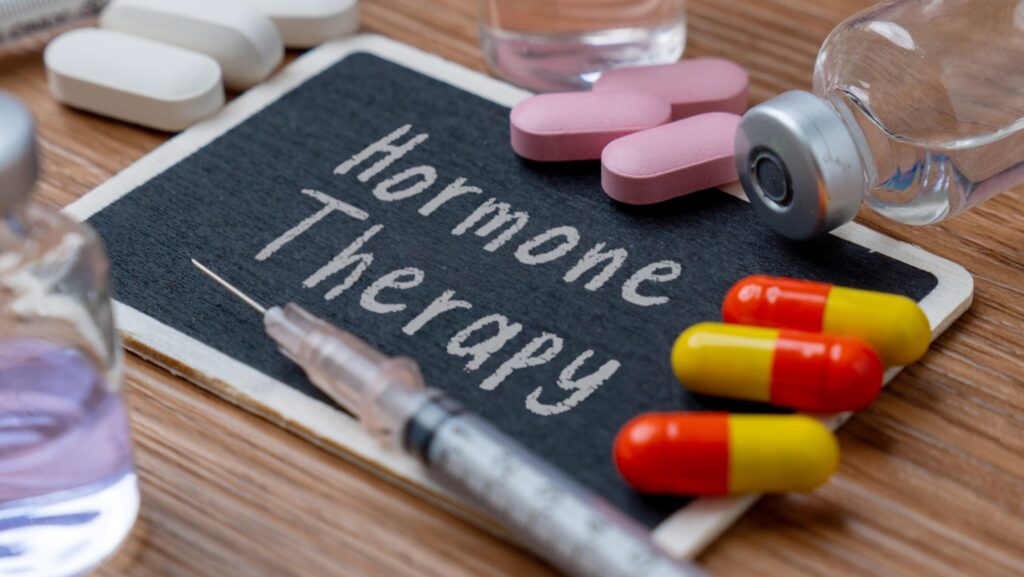
Every January, motivation is high. Gyms fill up, meal plans are downloaded, and weight-loss goals are set with the best of intentions. Yet for many men and women, the same frustrating pattern repeats itself year after year. Despite consistency and effort, results stall, energy drops, and progress fades by spring.
At Performance Medical Clinic in Edwardsville, we see this pattern not as a failure of discipline, but as a biological imbalance. The truth is simple but often overlooked: weight loss and body composition are hormonally driven. When hormones are out of balance, no amount of willpower can override physiology.
The new year isn’t just a chance to reset habits; it’s an opportunity to reset your hormonal baseline.
Weight Loss Is Not Just Calories- It’s Chemistry
Traditional weight-loss advice focuses almost exclusively on calories, exercise, and discipline. While those factors matter, they operate downstream from hormones. Hormones determine:
- How efficiently you burn fat
- Muscle retention versus muscle loss
- Whether your body stores or releases energy
- Hunger and satiety signals
- Motivation, drive, and recovery
When hormones are optimized, weight loss becomes more predictable and sustainable. When they’re not, the body resists change- often aggressively.
Key Hormones That Impact Weight Loss in Men and Women
Insulin regulates blood sugar and fat storage. Chronically elevated insulin, often driven by stress, poor sleep, or metabolic dysfunction, makes fat loss extremely difficult, regardless of diet.
Cortisol, known as the stress hormone, plays a major role in abdominal fat storage. High performers, busy professionals, and parents often experience chronically elevated cortisol, which directly interferes with fat loss and muscle maintenance.
Thyroid Hormones regulate metabolism. Suboptimal thyroid function, even within “normal” lab ranges, can lead to stubborn weight gain, fatigue, and cold intolerance.
Sex Hormones (Testosterone, Estrogen, Progesterone)
In men, low testosterone is associated with increased body fat, reduced muscle mass, insulin resistance, and low energy.
In women, testosterone, estrogen, and progesterone imbalances can lead to weight gain, fluid retention, cravings, and metabolic slowdown, especially during perimenopause and menopause.
Why Men and Women Struggle Differently with Weight Loss
Men often notice weight gain around the abdomen, declining muscle mass, and reduced workout recovery. These are classic signs of declining testosterone and elevated cortisol. Without addressing hormones, men may lose weight initially but regain it quickly or lose muscle instead of fat.
Women commonly experience hormonal shifts related to stress, birth control history, pregnancy, or age. These shifts can disrupt insulin sensitivity and thyroid function, making weight loss feel impossible despite “doing everything right.”
Hormonal balance, not extreme dieting, is the key to lasting results.
Why Now Is the Ideal Time to Optimize Hormones
The start of the year offers a unique medical advantage:
- Holiday stress and sleep disruption are recent and measurable
- Baseline labs can guide the entire year’s strategy
- Early intervention prevents months of frustration
- Progress can be tracked objectively over time
Rather than chasing resolutions, Performance Medical Clinic focuses on regulating the systems that make success possible.
The Performance Medical Clinic Approach to Hormone Optimization
Hormone optimization is not about quick fixes or one-size-fits-all solutions. It’s about:
- Comprehensive lab evaluation beyond basic screening
- Identifying suboptimal, not just abnormal, levels
- Personalized treatment strategies for men and women
- Supporting metabolism, muscle, energy, and recovery together
When hormones are balanced, weight loss becomes a byproduct of improved health, not a constant battle.
A Smarter Next Step for 2026
If weight loss has felt harder each year, it may not be because you’re doing less, it may be because your body needs more support.
The most effective resolution isn’t stricter dieting or more intense workouts. It’s understanding and optimizing the hormones that control how your body responds to both. Balanced hormones create better energy, better body composition, and better long-term health, for men and women alike.
Now is the right time to take a data-driven look at what your body needs. Schedule a consultation with Performance Medical Clinic in Edwardsville to establish a personalized approach to hormone optimization and sustainable weight loss—one based on comprehensive testing, expert guidance, and realistic long-term results.
Any content, resident submissions, guest columns, advertisements, and advertorials are not necessarily endorsed by or represent the views of Best Version Media LLC (BVM) or any municipality, homeowners associations, businesses, or organizations that this publication serves. BVM is not responsible for the reliability, suitability, or timeliness of any content submitted, inclusive of materials generated or composed through artificial intelligence (AI). All content submitted is done so at the sole discretion of the submitting party.