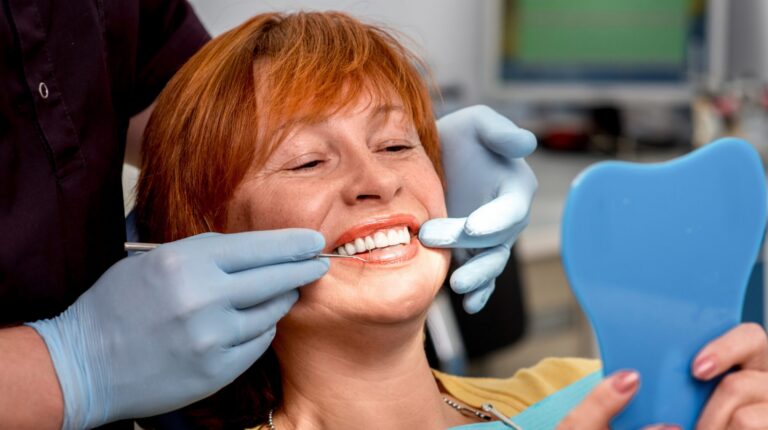
We all want to live a healthy life, but many people don’t realize that oral health plays a major role in overall health. Infection and inflammation in the mouth can affect the rest of the body and has been linked to conditions such as heart disease, stroke, diabetes, Alzheimer’s and dementia, respiratory disease, pregnancy complications, fertility issues, osteoporosis, rheumatoid arthritis, and even certain cancers.
The U.S. Surgeon General reports that at least 80% of American adults have some form of gum disease—and its effects go far beyond the mouth.
What are the Symptoms of Gum Disease?
It is not normal for your gums to bleed when you brush or floss your teeth. In addition, healthy gums should not be red, swollen, or tender. Other signs of a problem include ongoing bad breath or a bad taste in your mouth. If you notice any of these symptoms, it’s important to see your dentist right
away. When gum disease is caught early, it can often be reversed. If it spreads to the bone, it becomes periodontal disease. This stage cannot be reversed, but it can be managed with regular dental care, proper home hygiene, and removal of hardened plaque (tartar) by your dental hygienist.
Regular Dental Visits: Prevention Is Power
Seeing your dentist every six months is typical for people with healthy gums. These routine visits help keep your gums healthy, prevent long-term damage, and allow cavities or oral cancer to be caught early. Regular dental cleanings also remove plaque and buildup that even excellent home care can miss.
If you are diagnosed with gum disease, it is important to commit to seeing your dentist every 3–4 months. More frequent visits may also be recommended if you smoke or vape, have diabetes or certain medical conditions, build tartar quickly, have a weakened immune system, or are pregnant.
Dental Xrays are a Necessity to Treatment
Routine dental X-rays are an important part of prevention and diagnosis. They allow us to see what’s happening below the surface—between the teeth and under the gums—where early signs of cavities or other issues can be detected before they cause pain or damage. X-rays also help us identify bone loss caused by gum disease. When issues are found early, treatment is simpler, less invasive, and more affordable. Waiting too long can mean more complex care and more time in the dental chair, or even tooth loss.
The Hidden Consequences of Delaying Treatment
Delaying treatment when gum disease is present can eventually lead to tooth loss. This happens because the body recognizes there is an infection in the mouth and the immune system tries to fight it. Over time, this response causes the bone around the teeth to break down, loosening the teeth as the body attempts to eliminate the source of infection. Once bone is lost around the teeth, it cannot be reversed. This is the number one reason why people need dentures.
A Team Effort for Lifelong Oral Health
Your dental hygienist and dentist are your partners in helping you achieve and maintain a healthy smile and healthy mouth. Encouraging consistent home care, maintaining regular professional visits, and addressing concerns early all add up to strong, confident smiles that last a lifetime.
At Tru Family Dental – Clinton Township, our world-class hygienist’s, Angelique, and Jenny lead the way in delivering exceptional preventive care and patient education tailored to your specific needs. Working alongside Dr. Mangal Chandarana, they are proud to be part of a team dedicated to providing comprehensive, innovative, and comfortable dental care.
Tru Family Dental – Clinton Township is located at 37450 Garfield Road, Suite 100, Clinton Township. To schedule a consultation or establish care, please call 586-286-9060.
Any content, resident submissions, guest columns, advertisements, and advertorials are not necessarily endorsed by or represent the views of Best Version Media LLC (BVM) or any municipality, homeowners associations, businesses, or organizations that this publication serves. BVM is not responsible for the reliability, suitability, or timeliness of any content submitted, inclusive of materials generated or composed through artificial intelligence (AI). All content submitted is done so at the sole discretion of the submitting party.