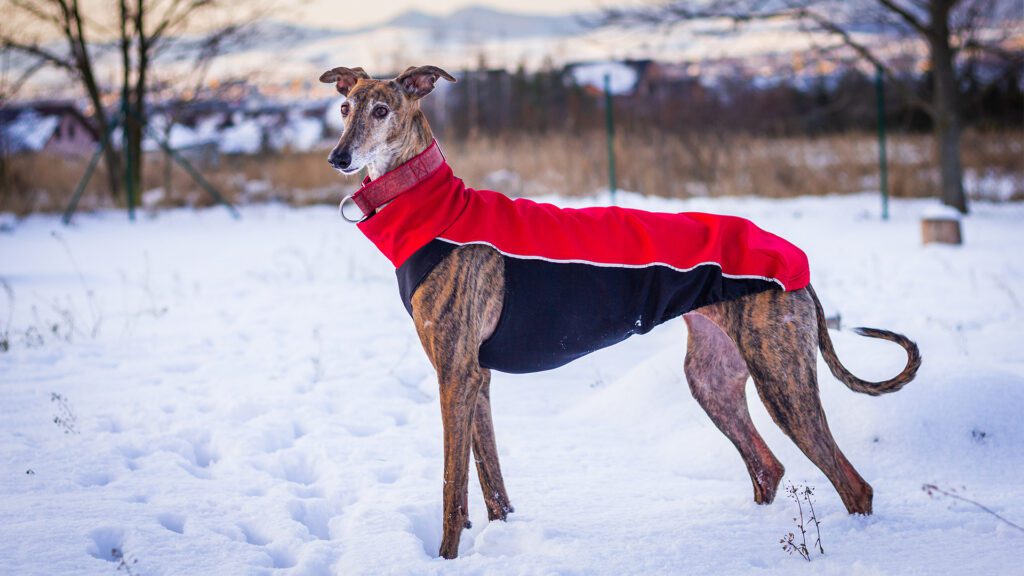
Greyhounds and Galgos: The Gentle Athletes You Never Expected
The first time I met a retired Greyhound in the exam room, I paused. This dog did not match the image many people carry in their minds. Instead of nervous energy or constant motion, the Greyhound stood quietly beside their person, leaned gently into their leg, and calmly observed the room. There was elegance, certainly—but also a softness and ease that felt unexpected.
Over the years, Greyhounds and their close relatives, Galgos, have continued to challenge assumptions. Despite being among the most athletic dogs in the world, they are often some of the calmest and most peaceful companions you can invite into a home.
One of the most persistent myths is that these dogs require constant exercise. In reality, Greyhounds are sprinters and Galgos are endurance dogs—but neither is a high-energy pet at home. Greyhounds are built for short bursts of speed followed by long periods of rest, while Galgos can sustain longer movement. In everyday life, both tend to settle into a relaxed rhythm of daily walks, occasional opportunities to run, and long stretches of contented rest. Many owners joke that their dog’s favorite activity is sleeping—ideally somewhere soft and close to their people.
Another common misconception is that Greyhounds and Galgos are fragile or anxious. While they are sensitive dogs, that sensitivity often shows up as emotional awareness rather than fearfulness. They are observant, gentle, and attuned to their environment, noticing tone of voice, body language, and routine. In calm, predictable homes, they often form deep and loyal bonds with their families.
At Sauk Point Veterinary Clinic, we have cared for many Greyhounds and Galgos over the years, and we are one of the few clinics in the area recommended by Greyhound Pets of America for our familiarity with the breed’s unique medical and behavioral needs. These dogs do have specific considerations: their lean body composition affects how they metabolize certain medications, including anesthesia; their thinner skin can make them more prone to cuts; and dental care is particularly important after retirement. With knowledgeable veterinary care, these differences are very manageable and should not deter thoughtful adopters.
Galgos, who originate primarily from Spain, often come from especially challenging backgrounds. Despite this, they are frequently gentle, emotionally perceptive, and quietly affectionate. Watching a Galgo learn to trust, rest, and engage with family life can be deeply rewarding.
One important truth deserves honest mention: Greyhounds and Galgos are social dogs. They form strong attachments and may struggle with being left alone for long periods. Some do best in homes where someone is frequently present, while others thrive with a canine companion – often another sighthound. This is not a drawback, but a defining trait of breeds that value connection.
In many ways, Greyhounds and Galgos are exceptionally well suited to modern life. Quiet, polite, and low-drama, they often do well in city homes or with people who appreciate calm companionship. Athleticism, it turns out, does not equal chaos.
For those interested in learning more about adoption and breed-specific resources, Greyhound Pets of America is an excellent place to start: www.greyhoundpets.org.