February Pipes in Birmingham
February, often the heart of winter in Alabama, brings frigid temperatures that can wreak havoc on home plumbing systems. As the coldest month for many regions, it sees a spike in emergency calls to plumbers due to freezing conditions, increased indoor usage, and holiday aftermath.
Understanding these issues can help homeowners prepare and prevent costly repairs. This article explores the most prevalent plumbing problems arising in February, drawing from expert insights on winter woes.
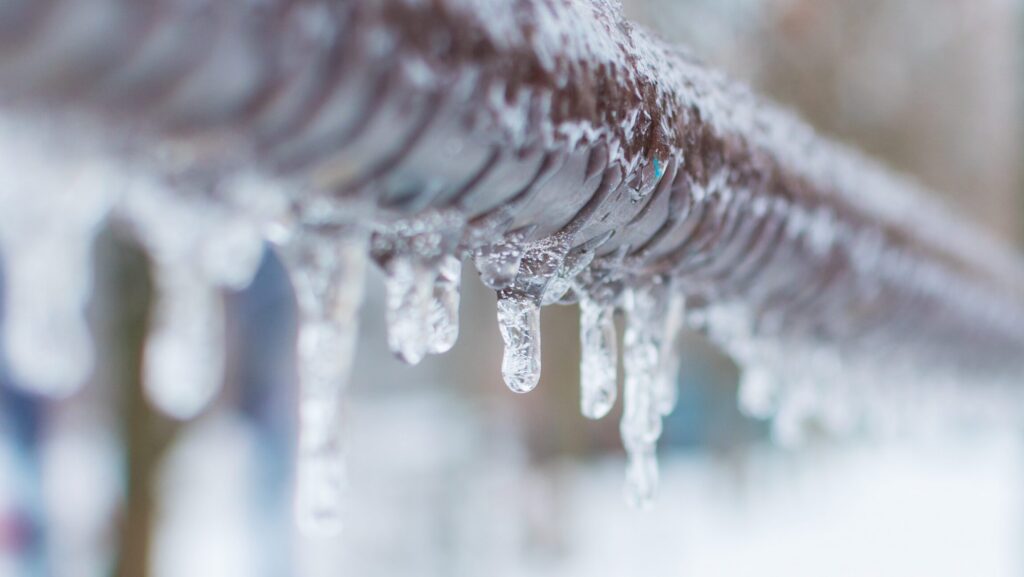
One of the most notorious issues is frozen pipes. When temperatures plummet below freezing, water inside pipes can solidify, expanding and exerting immense pressure on the pipe walls. This not only halts water flow but can lead to cracks or bursts once thawing occurs, causing flooding and water damage. Exposed pipes in basements, attics, or exterior walls are particularly vulnerable. Homeowners might notice low water pressure or no water at all as early signs.
Burst pipes often follow frozen ones, but they can occur independently in uninsulated areas. The sudden thaw after a cold snap in February exacerbates this, turning minor freezes into major leaks. Repair costs can soar into thousands, especially if water damages interiors. Similarly, water heater troubles peak this month. Cold incoming water strains heaters, leading to failures or inefficiencies. Sediment buildup from harder winter usage can cause overheating or breakdowns, leaving households without hot water during the chilliest days.
Clogged drains are another February frequent flyer, often stemming from holiday cooking residues and increased grease disposal. Kitchen sinks bear the brunt, with fats solidifying in cold pipes, while bathrooms see more hair and soap scum from longer showers. Outdoor drains and faucets face damage too; forgotten garden hoses can freeze and split, or sump pumps may fail during unexpected melts, leading to basement flooding. In septic systems, frozen ground prevents proper drainage, causing backups into homes.
Prevention is key to dodging these dilemmas. Insulate pipes with foam sleeves, especially in unheated areas, and let faucets drip during extreme cold to keep water moving. Disconnect outdoor hoses and cover faucets with insulated caps. Maintain water heaters by flushing annually to remove sediment, and avoid pouring grease down drains—opt for composting or trash disposal instead. For sump pumps, ensure they’re operational with battery backups for power outages common in winter storms. If issues arise, shut off the main water valve immediately to minimize damage, and call A&K Plumbing promptly.
By staying vigilant, homeowners can enjoy the winter without the dread of plumbing disasters. Ultimately, February’s chill doesn’t have to freeze your budget—proactive measures turn potential problems into mere footnotes in the season’s story.