A Local Perspective
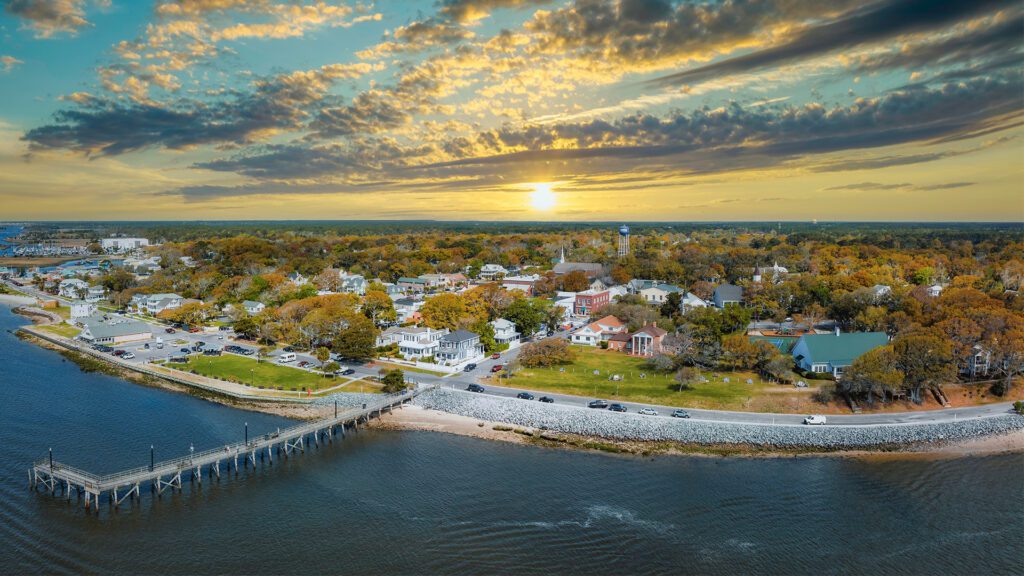
Having lived in the Southport area since December 2002, I’ve had the opportunity to experience firsthand not only the beauty of coastal living, but also the unique considerations that come with owning property in this environment. Over the years, I’ve seen how weather patterns, development, and community needs have evolved. With that perspective in mind, I’d like to share a few key factors that local homeowners and buyers should keep in mind when navigating the coastal real estate market.
Choosing the Right Area Within Our Community
Even within a town like Southport, each neighborhood offers its own character, advantages, and challenges. When considering a move—or even a move within the area—it’s important to think about what best supports your lifestyle. Proximity to the waterfront, access to marinas or boat ramps, walkability, and nearby amenities all play a role. Equally important are community features such as local services, schools, and the overall pace of life in each neighborhood.
Understanding Flood Risks and Landscape Considerations
Living on the coast means being mindful of how land and water interact. Reviewing flood maps and understanding a property’s elevation remain essential, even for long-term residents. Storm patterns can shift over time, and areas that once seemed unaffected may experience changes.
When evaluating a specific property, take note of how the lot sits in relation to neighboring homes. Proper grading, drainage, and elevation can make a significant difference in how water moves during heavy rainfall. Visible indicators—such as pooling water, drainage patterns, or certain types of vegetation—can provide valuable insight into how a property handles excess moisture.
Evaluating the Home Itself
Once the landscape has been considered, attention can turn to the structure. Assessing the condition of the roof, siding, windows, and doors is especially important in a coastal climate. Durable materials such as fiber cement (Hardie) siding or brick often perform better over time in humid and storm-prone environments.
While I’m not a builder or home inspector, my goal is to help homeowners and buyers think critically about the fundamentals before focusing on cosmetic upgrades or interior finishes. Understanding the unique factors that come with coastal homeownership, residents can better protect their investment and continue enjoying everything that makes Southport such a special place to call home.
Any content, resident submissions, guest columns, advertisements, and advertorials are not necessarily endorsed by or represent the views of Best Version Media LLC (BVM) or any municipality, homeowners associations, businesses, or organizations that this publication serves. BVM is not responsible for the reliability, suitability, or timeliness of any content submitted, inclusive of materials generated or composed through artificial intelligence (AI). All content submitted is done so at the sole discretion of the submitting party.