How Automotive Schooling Has Changed over the Last 20 Years
Over the past two decades of working at Centerville Service Center and being involved with Sinclair Community College, I’ve watched automotive schooling change more rapidly than at any other point in the industry’s history. While strong mechanical fundamentals are still important, the focus of education has shifted heavily toward technology, diagnostics and system-based thinking.
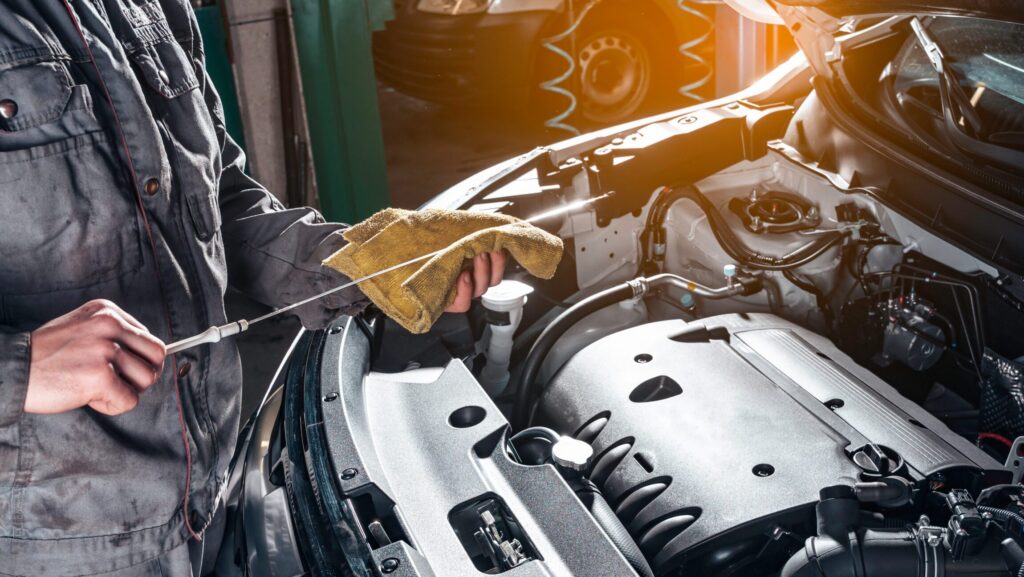
In the early 2000s, automotive programs still centered on traditional repairs, such as engines, brakes, suspension and basic electrical work. Scan tools were used—but often as a secondary step, to confirm what a technician already suspected. Training emphasized hands-on mechanical skill, and experience in the shop carried more weight than formal diagnostic theory.
As vehicles became more advanced, schooling had to adapt. Electronic fuel injection became more precise, computer controlled transmissions became common, and vehicles started communicating through complex networks. Automotive programs began teaching CAN (controller area network) bus systems, module communication and data interpretation. Diagnostics evolved from “what part failed” to “why did the system fail,” requiring a deeper understanding of how components interact.
In the last 10 years especially, technology has become the core of automotive education. Students are now trained to read live data, analyze fault patterns and follow diagnostic flow charts, rather than relying on guesswork. Safety systems like anti-lock braking systems (ABS), traction control, airbags and advanced driver assistance systems require careful procedures and specialized tools. Software updates, calibrations and reprogramming have become routine parts of modern repair.
Today’s automotive schooling prepares technicians to be problem solvers first and mechanics second. Laptops sit alongside toolboxes, and understanding software is just as important as understanding hardware. Continuous training is no longer optional; it’s required to keep up.
The last 20 years have transformed automotive education from a wrench focused trade into a highly technical profession, setting the stage for an industry that will only continue to become more software driven and data dependent.
You can count on the technicians at Centerville Service Center to have strong foundations in both the technical and mechanical aspects of whatever your car needs. For expert auto care, visit autorepaircenterville.com or call 937-433-5122.