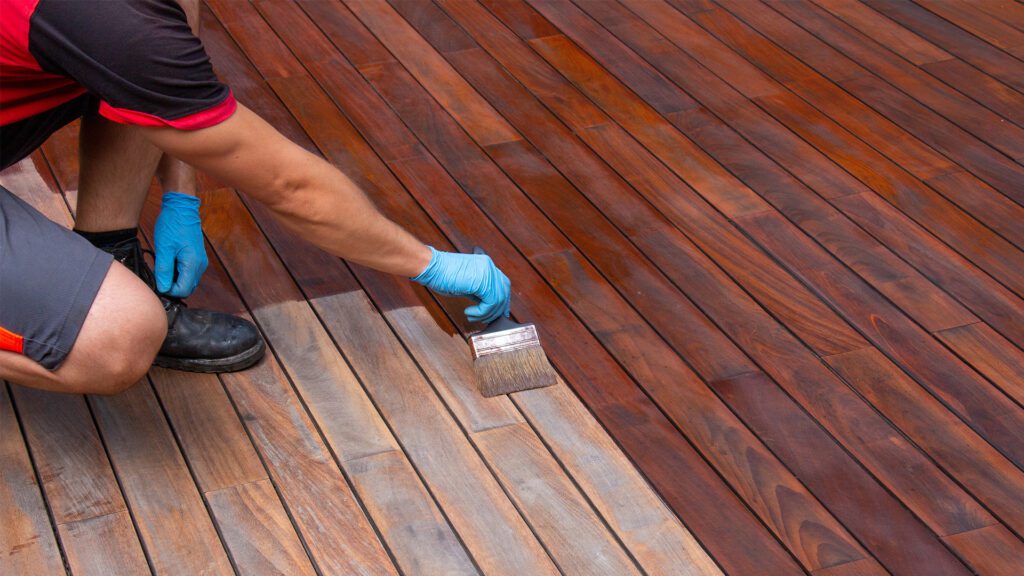
Painting your home yourself can be incredibly rewarding but the real key to a great DIY painting job isn’t the paint or the tools you use (but it certainly helps). It’s how well you prepare. Taking the time to prep properly helps ensure smoother application, better coverage, and results you’ll be proud of for years to come.
1. Start by Clearing the Space
Before you open a paint can, clear as much furniture out of the room as possible. What can’t be moved should be placed in the center and covered with drop cloths. Protect floors and trim with canvas cloths and painter’s tape to save yourself cleanup time later.
2. Clean Your Walls
Even walls that look clean can hold dust, oils, or residue that prevent paint from sticking. Use warm water and a sponge to wipe down surfaces. In kitchens or high-traffic areas, a small amount of mild detergent helps cut through grease and fingerprints.
3. Deal with Stains and Mildew First
Painting over stains or mildew will only make problems worse. Clean mildew with a diluted bleach solution, rinse thoroughly, and allow the wall to dry completely before moving on.
4. Patch Small Imperfections
DIY painting doesn’t mean ignoring small flaws. Fill nail holes, cracks and dents with spackling compound using a putty knife. Once dry, sand lightly so the repair blends seamlessly with the wall.
5. Sand Where Needed
Sanding helps smooth rough spots and dull shiny areas, so new paint adheres properly. Fine grit sandpaper or a sanding sponge works well for most DIY projects.
6. Scrape Away Loose Paint
If you notice peeling or flaking paint, take the time to scrape it off and sand the edges smooth. Skipping this step can cause fresh paint to peel later.
7. Clean Up Dust After Sanding
Always wipe down walls after sanding. A damp cloth removes dust that could otherwise leave bumps or streaks in your paint finish.
8. Don’t Skip the Primer
Primer is a DIY painter’s best friend. It helps paint stick better, improves color coverage, and hides repairs or stains. It’s especially helpful when painting new drywall or changing colors dramatically.
9. Choose the Right Primer
Use a stain blocking primer for water marks or heavy stains, and a general-purpose primer for most interior walls. Choosing the right product (see bonus tip) makes painting easier and more forgiving.
10. Be Patient and Let Surfaces Dry
Make sure walls are completely dry before priming or painting. Rushing this step can lead to bubbling or uneven results. Proper preparation is what separates a quick painting job from a successful DIY project. With a little patience and the right approach, you can achieve professional looking results, one well prepared wall at a time.
BONUS TIP, come and visit us at Valley Paint & Coatings and we will help you select the Benjamin Moore primer, paints and tools you will need for a great DIY painting job.
Any content, resident submissions, guest columns, advertisements, and advertorials are not necessarily endorsed by or represent the views of Best Version Media LLC (BVM) or any municipality, homeowners associations, businesses, or organizations that this publication serves. BVM is not responsible for the reliability, suitability, or timeliness of any content submitted, inclusive of materials generated or composed through artificial intelligence (AI). All content submitted is done so at the sole discretion of the submitting party.