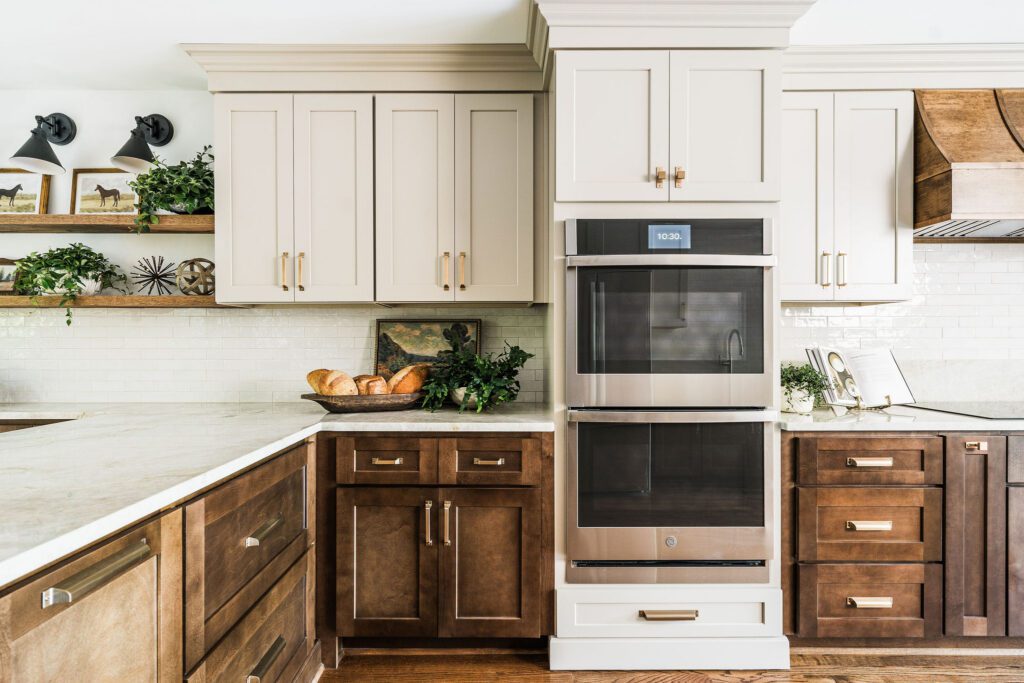
When people admire a beautifully renovated home, they are usually talking about the finishes: the cabinetry stain, the marble veining, the lighting that glows just right. Rarely does anyone comment on the architectural drawings, layout revisions and spreadsheets beneath the surface. Yet those invisible layers of planning are what create the perfectly articulated spaces.
Planning isn’t the first phase. Planning is the entire foundation. It’s the structural, spatial and design planning—the invisible choices—that determine the end result well before a hammer is ever swung.
PLANNING FIRST
The spaces homeowners love most are a pantry that’s actually functional, a bathroom where two people can get ready at once and a kitchen that entertains with ease. These aren’t born on installation day. They come from the following:
- Test-fitting appliances in scaled drawings
- Measuring circulation paths
- Aligning plumbing, electrical and structure
- Running multiple layout options
- Reviewing code requirements
- Confirming proportions and alignment
- Assessing safety and workflow
- Hours of meticulous planning meetings
- Submitting permits and municipal documents
- Documenting every single design and construction detail
It’s during this planning phase that problems are solved before they ever occur.
DOCUMENT EVERYTHING
Signed drawings, clear scopes of work, written selections and schedules aren’t bureaucracy. They create security by:
- Creating accountability
- Eliminating ambiguity
- Aligning every person involved
Without documentation, a renovation becomes a game of assumptions and ultimately expensive change orders when things don’t come together the way you thought they would. With clear documentation, renovations are a managed, predictable project.
EMOTIONAL MATTERS
Homeowners who engage in robust planning report a positive renovation experience. Instead of anxiety around every decision, the process feels guided. Instead of overwhelm, there’s anticipation. Planning builds confidence, and confidence allows people to enjoy the renovation journey rather than simply endure it.
The renovation process isn’t slow; it is layered. Time in planning equals calm in construction. So when your design and construction team says, “This will take months,” it isn’t because they’re inefficient. It’s because they know great work requires intention.
Any content, resident submissions, guest columns, advertisements, and advertorials are not necessarily endorsed by or represent the views of Best Version Media LLC (BVM) or any municipality, homeowners associations, businesses, or organizations that this publication serves. BVM is not responsible for the reliability, suitability, or timeliness of any content submitted, inclusive of materials generated or composed through artificial intelligence (AI). All content submitted is done so at the sole discretion of the submitting party.