Florida homeowners need a different paint strategy than the rest of the country. If you live here, you’ve experienced the volatile weather: sunny and hot one moment, then a sudden storm, followed by intense sun and oppressive humidity. This cycle means year-round exposure to ultraviolet (UV) light, an invisible form of electromagnetic radiation from the sun with wavelengths between visible light and X-rays.
While UV light has benefits like vitamin D production and sterilization, overexposure damages both skin and homes. Just as you wear sunscreen for skin protection, your home needs defense against UV rays that not only affect paint surfaces but also penetrate the entire film.
How UV Light Destroys Paint
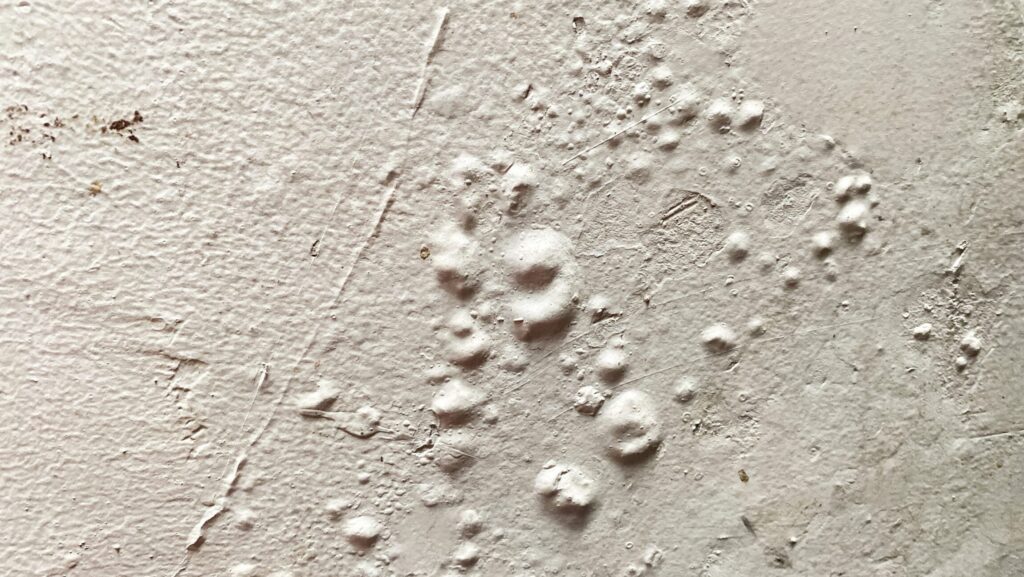
UV radiation triggers photodegradation, a chemical process where paint components break down, causing color fading. Different pigments have varying susceptibility to this damage. The binding agents that hold pigments together also oxidize under UV exposure, creating a powdery residue called chalking. Once binders fail, pigments become fully exposed to UV light, accelerating deterioration.
Over time, you’ll notice loss of gloss, color shifting, uneven fading between shaded and sun-exposed areas, and eventually complete coating failure.
Solutions Beyond “Just Getting Better Paint”
Home protection requires selecting appropriate coating chemistry, proper application, and regular maintenance, not simply buying expensive paint. Color and chemistry matter; dark colors absorb more light, increasing heat and photodegradation. Oil-based paints fade faster than acrylic latex paints due to the poor UV resistance of alkyd binders. High-gloss finishes also resist UV damage better than flat finishes.
Major paint brands offer sunlight-resistant lines featuring technologies like nanoparticle UV absorbers, infrared-reflective pigments, and elastomeric coatings. While pricier upfront, these products prove economical long-term by extending time between repaints.
Another additional protection is UV-blocking clear coats that act like sunscreen for your paint. UV-inhibiting primers lock in pigments and create a base that resists photodegradation from the start.
Professional painters emphasize correct film build; too thin allows sunlight penetration; too thick causes cracking. In Florida’s high-exposure environment, two coats are recommended for longevity. Surface preparation is critical: remove chalk, dirt, and pollutants before painting to ensure proper adhesion.
Ongoing maintenance is also a good idea. Try washing all exterior surfaces annually to remove pollutants that compromise the paint’s protective film and extend coating life.
The Bottom Line
UV damage is inevitable in Florida, but strategic choices significantly slow the aging process. By selecting appropriate paint chemistry, applying it correctly, and maintaining surfaces regularly, you can substantially extend your home’s exterior finish and protect your investment against the relentless Florida sun.
Any content, resident submissions, guest columns, advertisements, and advertorials are not necessarily endorsed by or represent the views of Best Version Media LLC (BVM) or any municipality, homeowners associations, businesses, or organizations that this publication serves. BVM is not responsible for the reliability, suitability, or timeliness of any content submitted, inclusive of materials generated or composed through artificial intelligence (AI). All content submitted is done so at the sole discretion of the submitting party.