Many homeowners reach a point where they love their neighborhood, but the house itself no longer fits their lifestyle.
The routines that once felt easy start to feel inconvenient or even stressful. Stairs feel steeper than they used to. Laundry lives in the basement. Kitchens feel closed off or require constant bending and reaching. Bathrooms feel tight or no longer well-designed for daily comfort. Or maybe you are simply looking ahead and asking an honest question: How long will this home truly support us?
That moment often leads to a big decision. Do we move, or do we adapt the home we already love?
For many homeowners in Northeast Seattle, remodeling is the smarter long-term choice.
Why People Start Thinking About Moving
The reasons people consider moving are usually practical. Daily stair use becomes tiring, laundry in the basement feels unnecessary, and kitchens or bathrooms no longer support comfortable daily routines. These are not cosmetic concerns. They are quality-of-life challenges that affect how smoothly everyday life flows.
The Hidden Cost of Starting Over
Moving can sound like a clean solution, but the true cost goes far beyond the sale price. Agent fees, excise taxes, inspections, repairs, and moving expenses add up quickly. Many homes also require immediate updates before they truly feel functional.
There is also the cost you cannot put on a spreadsheet. Leaving familiar streets, neighbors, schools, and daily rhythms is not easy. With today’s interest rates, many homeowners find themselves paying more, often for a home that still needs work.
What Single-Floor Living Really Means
Single-floor living does not require a one-story house. It means that your essential daily routines can happen without stairs.
Sleeping, bathing, cooking, and laundry can all be accessible on one level.
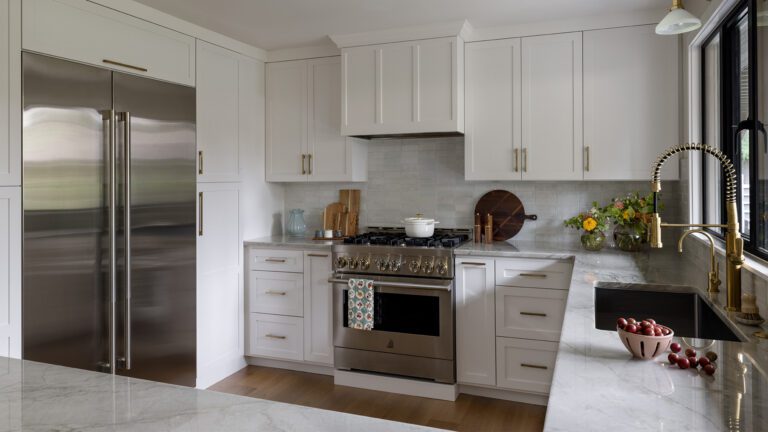
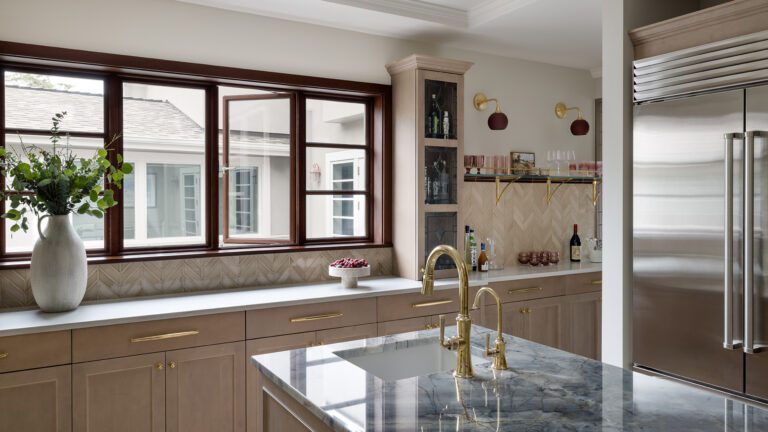
In many Northeast Seattle homes, this is more achievable than expected. A dining room or den can become a main-floor bedroom. Laundry can move into a hallway, mudroom, or primary suite. Kitchens can be redesigned with better flow, pull-out storage, and wall ovens to reduce bending and reaching. Bathrooms can be updated with curbless showers, improved lighting, safer clearances, discreet support features, and slip-resistant floors.
When done well, these changes improve comfort and safety while still looking beautiful and intentional.
Plan Ahead, Then Phase Wisely
The best remodeling decisions look five to fifteen years ahead, while being grounded in how you live day to day. If everything cannot happen at once, prioritize the changes that deliver the greatest impact. Often, this means a main-floor bathroom or laundry.
Other updates can follow later, guided by a clear long-term plan rather than reactive fixes.
A Home That Grows With You
Single-floor living is not about downsizing your life. It is about designing a home that continues to support you, so you can stay rooted in the neighborhood you love while adapting thoughtfully to the way life evolves.
If you are considering how your home could better support single-floor living, start with a conversation with IHR. Our Get Started form is the first step toward a remodel plan designed around how you actually live, today and in the years ahead.
Any content, resident submissions, guest columns, advertisements, and advertorials are not necessarily endorsed by or represent the views of Best Version Media LLC (BVM) or any municipality, homeowners associations, businesses, or organizations that this publication serves. BVM is not responsible for the reliability, suitability, or timeliness of any content submitted, inclusive of materials generated or composed through artificial intelligence (AI). All content submitted is done so at the sole discretion of the submitting party.