For many families, the hardest part of taking a pet to the vet isn’t the exam — it’s everything surrounding it. The carrier negotiations. The car ride soundtrack. The waiting room full of unfamiliar smells and nervous energy. Even pets who are normally social can behave very differently once their routine is disrupted.
In-home veterinary visits change that dynamic by shifting the appointment into a space pets already know. Instead of pulling an animal out of their environment, the veterinarian comes to them — a change that often alters the entire tone of the visit, for both pets and their people. Certain households tend to find this approach especially helpful.
Some pet parents are simply looking for more time and clarity than a traditional clinic visit allows. In busy practices, veterinarians are often juggling full schedules and unexpected interruptions. At home, the pace slows. There’s room for conversation, questions, and context — not just about what’s happening today, but about what to watch over time. Seeing the same veterinarian visit after visit also creates continuity, which can make care decisions feel more informed and less rushed.
Multi-pet households often appreciate the logistics. Transporting one animal can be manageable; coordinating two or three can turn into an event. In-home visits allow multiple pets to be seen during a single appointment, without juggling carriers, leashes, or staggered schedules. It also gives veterinarians a clearer picture of shared routines and environments — details that don’t always surface during individual clinic visits.
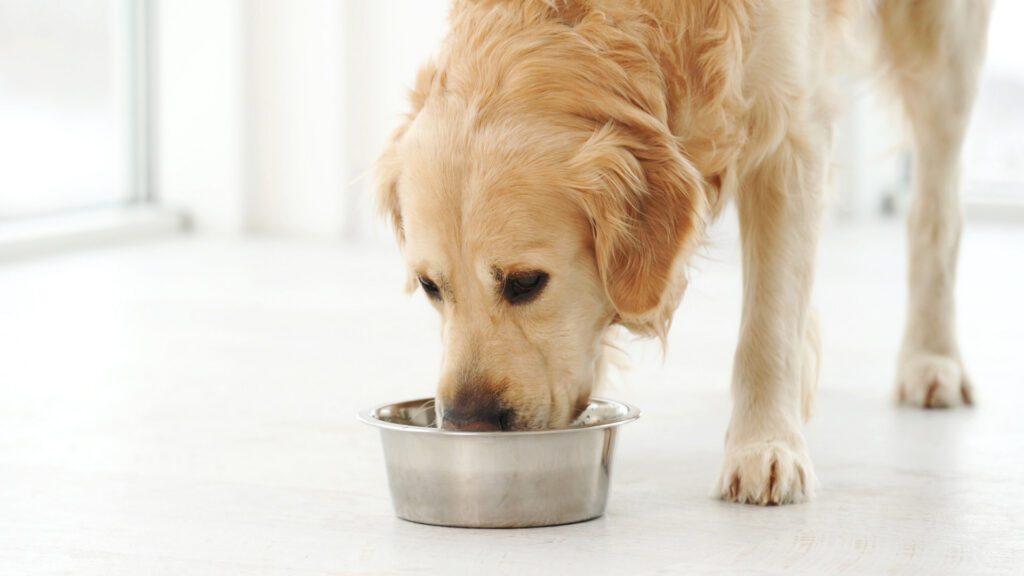
Mobility can also play a role, for pets and for owners. Large dogs aren’t always easy to lift or load. Senior animals with arthritis may manage well day to day but struggle with slippery clinic floors, long walks from parking lots, or climbing into vehicles. In these cases, home visits can make routine care — exams, vaccines, basic diagnostics — more comfortable and more manageable for everyone involved.
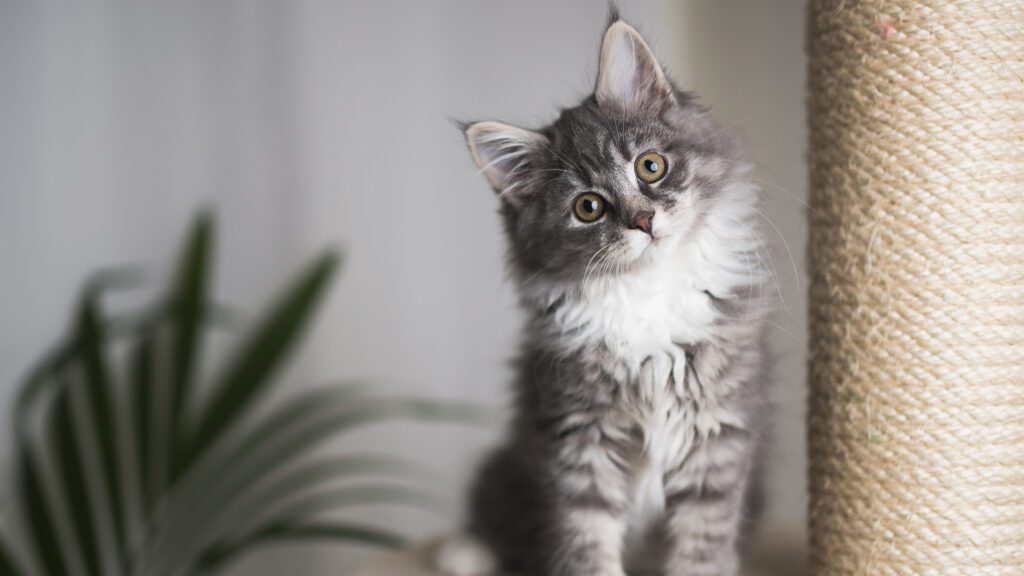
Cats, in particular, often respond differently to in-home care. Most cats spend nearly all their lives within a familiar territory, and being placed in a carrier and transported to a clinic can be deeply unsettling. At home, cats tend to move more naturally, react less defensively, and tolerate exams more easily. Without the stress of travel and waiting rooms, veterinarians are often able to see a truer baseline of behavior and health.
A mobile model can also appeal to families who value an ongoing relationship with their veterinarian rather than a series of disconnected visits. With more time in a familiar setting, it’s often easier to notice small changes — shifts in appetite, movement, or behavior — that might otherwise be overlooked. That added context can be especially helpful when managing chronic conditions or addressing concerns that don’t fit neatly into a single symptom or diagnosis.
Ultimately, pets don’t live in exam rooms. They live on stairs, couches, floors, and backyards. Seeing animals in their real environment can reveal details that don’t always show up elsewhere — and that perspective often leads to care plans that fit daily life more naturally.
For Preston Hollow families balancing busy schedules, multiple pets, or aging animals, in-home veterinary care can turn a stressful errand into a calmer, more manageable experience.
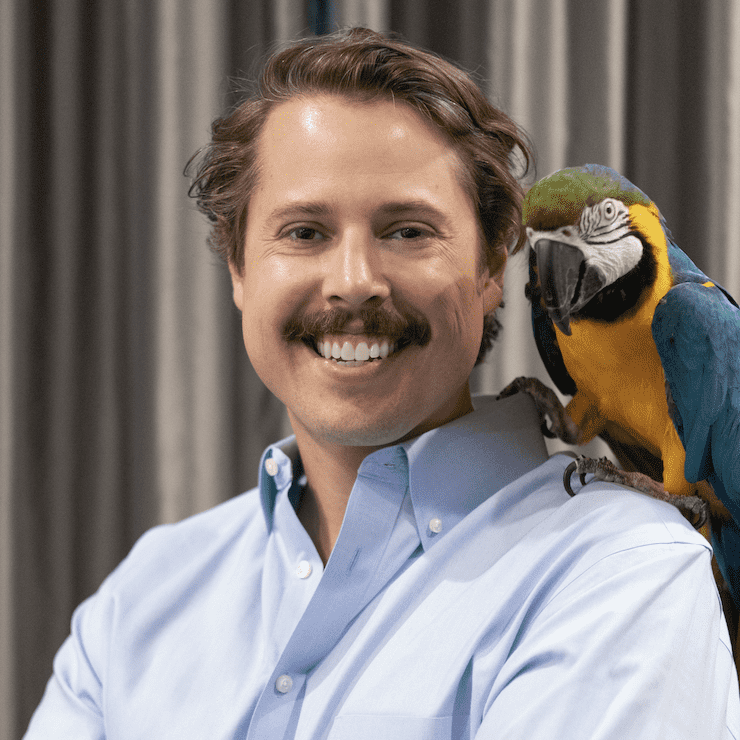
Dallas Veterinary Concierge provides in-home veterinary care throughout the Dallas area; to learn more, visit dallasveterinaryconcierge.com or contact their team at info@dallasveterinaryconcierge.com.
Any content, resident submissions, guest columns, advertisements, and advertorials are not necessarily endorsed by or represent the views of Best Version Media LLC (BVM) or any municipality, homeowners associations, businesses, or organizations that this publication serves. BVM is not responsible for the reliability, suitability, or timeliness of any content submitted, inclusive of materials generated or composed through artificial intelligence (AI). All content submitted is done so at the sole discretion of the submitting party.