A common practice that is performed in the late fall and winter is malolactic fermentation. Malolactic fermentation is a secondary fermentation that occurs after the primary alcoholic fermentation. Malolactic converts malic acid, which is derived from apples—so think sharp, crisp, and tart—into lactic acid, often derived from dairy products, which is soft and round. Nearly all red wines in the world undergo malolactic fermentation, while only a few whites do. Malolactic is what gives those buttery Chardonnays their buttery qualities, as well as an increase in body, and it really softens acids that some may find abrasive.
Malolactic is a point of great divide among white wine drinkers; some prefer the sharp crispness of Sauvignon Blancs and Viogniers, while others prefer the heavier, more rounded textures of Chardonnay. Not all Chardonnay undergoes malolactic fermentation or barrel aging. Wines from Chablis, which are made with Chardonnay, do not touch oak or undergo malolactic fermentation. Truly, any wine can undergo malolactic fermentation, but it does not suit the majority of white varieties. So having knowledge of this fermentation style and its effects may help you narrow down what style of white wine you prefer to drink.
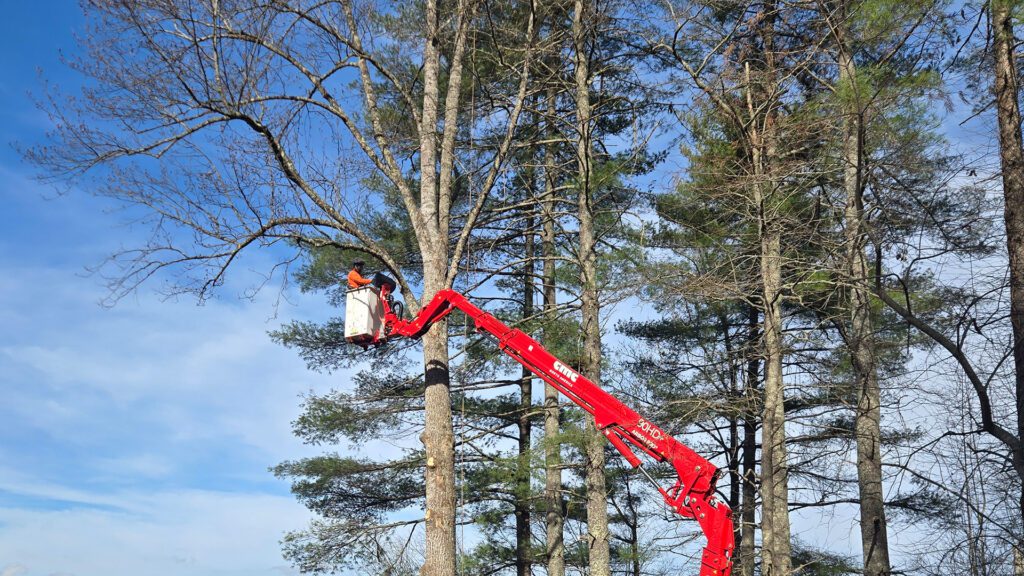
In the vineyard, winter is when pruning begins. We practice delayed pruning, so during the winter all we do is a “clean-up” prune to remove excess growth and prepare for a final pruning pass with more speed and precision. This involves cutting the shoots back to around seven buds per shoot, then coming back around bud break and cutting the shoots down to two buds. This method protects us against late spring frosts, because the buds at the top of a shoot break first. Out of those seven buds, only two will remain for the year, and those are at the base of the shoot. If a frost event occurs, the upper buds will die off instead of the lower buds we ultimately rely on for the season.
Any content, resident submissions, guest columns, advertisements, and advertorials are not necessarily endorsed by or represent the views of Best Version Media LLC (BVM) or any municipality, homeowners associations, businesses, or organizations that this publication serves. BVM is not responsible for the reliability, suitability, or timeliness of any content submitted, inclusive of materials generated or composed through artificial intelligence (AI). All content submitted is done so at the sole discretion of the submitting party.