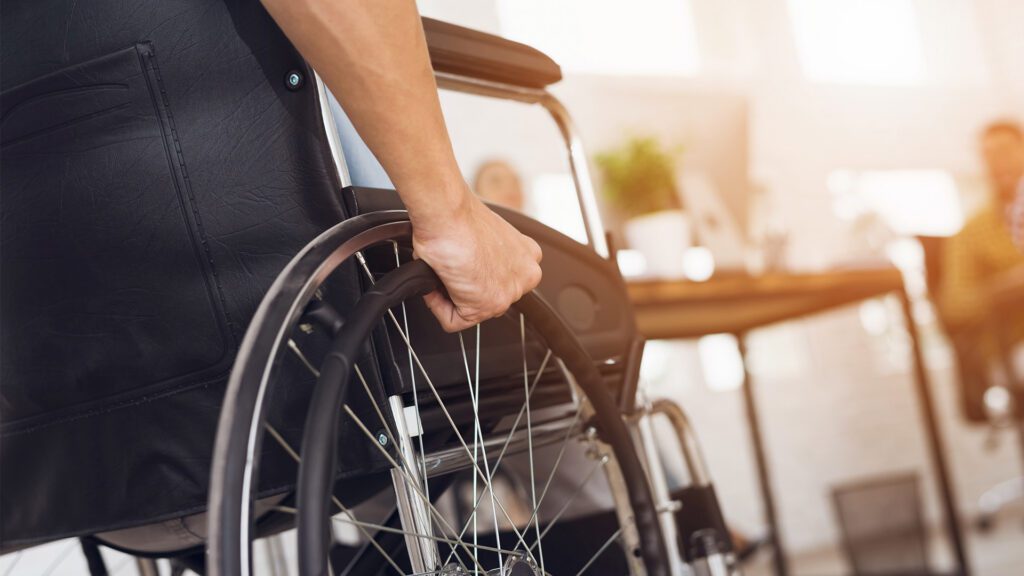
If you are caring for a loved one with mobility challenges, you likely did not plan for it. It may have started gradually. Perhaps you began helping a parent after a fall, supporting a spouse during recovery from surgery, or caring for a child with a physical disability. Over time, what began as occasional help can quietly become part of everyday life. Across communities like Carleton Place and the surrounding Lanark County region, many adults in their 30s, 40s, and 50s are quietly stepping into this role.
Caregiving is an act of love, but it can also be physically and emotionally exhausting. Lifting, assisting with transfers, managing mobility equipment, schedules, appointments and constantly staying alert to prevent accidents can take a real toll on the body and mind.
One of the most common things caregivers share with us at Houle Healthcare is their worry about whether they will be able to keep going. Their focus is always on the person they care for, but they know that if they become injured or burned out, everything becomes more difficult.
Since opening Houle Healthcare in 2021, we have met many caregivers facing this exact challenge. They often come in for physiotherapy or massage therapy because the physical strain of caregiving can lead to ongoing pain and fatigue. Repeated lifting, supporting weight, and helping someone move safely can gradually wear down the body.
Taking care of your own body feels like a luxury when someone else depends on you, but it is one of the most important ways to continue providing care safely. Improving joint mobility, reducing muscle tension, and preventing injuries can make a significant difference in a caregiver’s ability to support their loved one long term.
Sometimes the solutions are simpler than people expect. One caregiver we worked with was experiencing both physical and emotional burnout while caring for their son with complex mobility needs. The constant strain of assisting with daily activities was causing significant discomfort and fatigue. After beginning massage therapy to address several areas of tension, we also assessed the wheelchair used to transport their son and completed the necessary repairs to keep it functioning properly. Small adjustments like this can reduce strain and make everyday life more manageable.
Another challenge many families face is the desire to keep their loved ones living at home. For many people, home represents independence, comfort, and dignity. At the same time, the physical and time demands of caregiving can be significant. Families often find themselves making difficult decisions about work schedules, finances, and outside support in order to make it possible.
Fall prevention is another constant concern. Falls are one of the leading causes of injury for older adults, and caregivers often carry the worry of what might happen if a fall occurs when they are not there. Fortunately, small changes can make a meaningful difference. Properly fitted walkers or wheelchairs, equipment maintenance, and simple safety adjustments in the home can dramatically improve safety and independence.
One of the most important lessons we have learned is that caregiving should never happen in isolation. It truly takes a village. Healthcare providers, therapists, and community resources can help guide families through options that make caregiving more sustainable.
At Houle Healthcare, our philosophy is simple. We put the CARE in healthcare, which stands for Community, Accessibility, Respect, and Education. That means listening to people’s stories, understanding their goals, and helping them find practical ways forward.
Caregivers do not have to carry everything alone. Sometimes the right support can make all the difference for both the caregiver and the person they love.
Any content, resident submissions, guest columns, advertisements, and advertorials are not necessarily endorsed by or represent the views of Best Version Media LLC (BVM) or any municipality, homeowners associations, businesses, or organizations that this publication serves. BVM is not responsible for the reliability, suitability, or timeliness of any content submitted, inclusive of materials generated or composed through artificial intelligence (AI). All content submitted is done so at the sole discretion of the submitting party.