As the snow melts and the ground begins to thaw, many homeowners around Eagan start thinking about getting their yards back in shape after a long Minnesota winter. After months of snow, ice, and freezing temperatures, lawns and landscaping often need a little attention to get ready for the growing season.
At Revival Landscape, spring is one of our busiest times of year, and it’s also when we see many of the same questions from homeowners. A few simple steps early in the season can make a big difference in how your yard looks and performs throughout the rest of the year.
Watch for drainage issues early
One of the first things we recommend homeowners pay attention to in the spring is drainage. As snow melts and spring rains arrive, it becomes much easier to spot areas where water is collecting.
We often see water pooling near foundations, patios, or low areas of a yard. While it may seem minor at first, standing water can slowly create bigger problems if it isn’t addressed. Over time, water that sits near a home can push moisture toward foundation walls or create overly wet soil conditions that affect landscaping.
Spring is the best time to notice these issues because water flow patterns are very visible. Addressing grading or drainage concerns early can help move water safely away from the home and prevent more costly repairs later.
Start mowing at the right time
Another common question we hear every spring is when to start mowing. It can be tempting to pull out the mower as soon as the snow disappears, but it’s best to wait until the grass begins actively growing.
In Minnesota, this usually happens once daytime temperatures consistently reach the 50s and the lawn starts growing evenly. When mowing does begin, avoid cutting the grass too short. Keeping the lawn slightly taller early in the season helps strengthen root systems and encourages healthier growth as the weather warms.
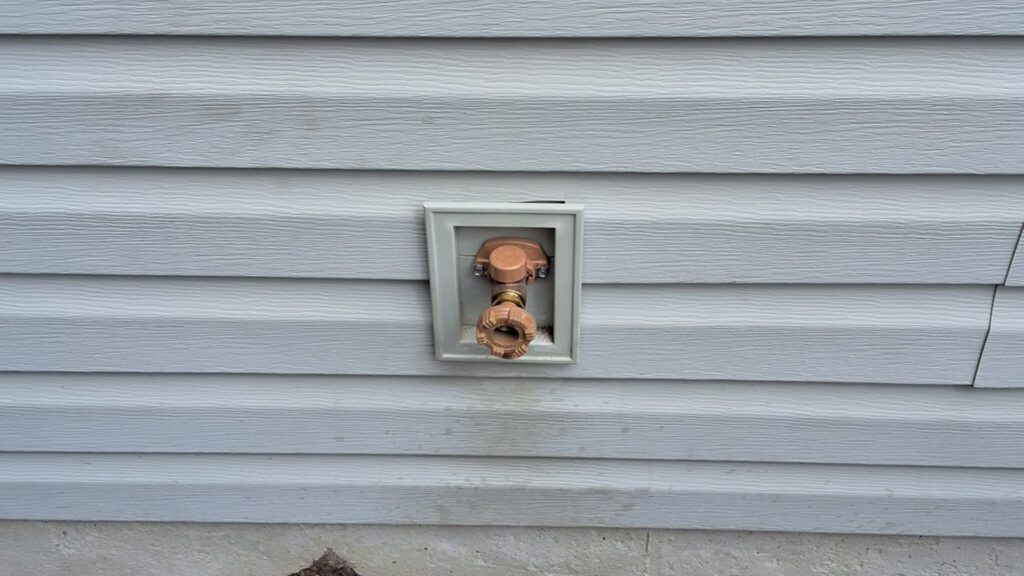
Turn on sprinklers and begin watering gradually
Early in the spring, most lawns do not need much watering because the soil still holds moisture from melting snow. As temperatures warm and the grass begins actively growing, that’s a good time to slowly begin regular watering.
Most lawns benefit from about one inch of water per week, including rainfall. Deeper, less frequent watering encourages stronger root growth and helps lawns stay healthier during the hotter summer months.
Clean up leaves and prepare the lawn
Spring cleanup is another important step that helps lawns recover after winter. Leaves and debris that sit on grass for long periods can block sunlight and trap moisture, which may damage sections of the lawn.
This time of year is also ideal for aeration and overseeding. Aeration loosens compacted soil so air, water, and nutrients can reach the roots more easily. Overseeding at the same time can help fill in thin areas and create a thicker, healthier lawn.
Refresh mulch and landscape beds
Many homeowners also like to freshen up their landscape beds in the spring. A new layer of mulch helps retain moisture, regulate soil temperature, and reduce weeds while giving the yard a clean, finished appearance.
For homeowners planning yard projects, spring is also the busiest time for bulk deliveries of mulch, soil, and decorative rock. At Revival Landscape, we often help homeowners simplify their projects by delivering materials directly to their homes so they can spend less time making trips to garden centers and more time enjoying their outdoor spaces.
Spring is a great time to start thinking about your yard before the busy summer season arrives. Taking care of a few key landscaping tasks now can help your lawn and outdoor spaces stay healthy, attractive, and ready to enjoy all season long. Revival Landscaping is your neighborhood outdoor experts – reach out with all of your landscape needs!
Any content, resident submissions, guest columns, advertisements, and advertorials are not necessarily endorsed by or represent the views of Best Version Media LLC (BVM) or any municipality, homeowners associations, businesses, or organizations that this publication serves. BVM is not responsible for the reliability, suitability, or timeliness of any content submitted, inclusive of materials generated or composed through artificial intelligence (AI). All content submitted is done so at the sole discretion of the submitting party.