An Unexpected Calling
In 1991, I graduated from the University of Akron with a bachelor’s degree in psychology and plans to pursue a PhD. After being rejected by every graduate program to which I applied, that dream ended abruptly. What felt like misfortune became a blessing. I had been volunteering as a companion for a young man with an intellectual disability who lived in a group home. When I learned they were hiring direct service workers, I applied. Within months, I became a house manager.
That unexpected path became a 34-year career. I later earned a master’s degree in Rehabilitation Counseling and now serve as Clinical Director for New Point Life Services in Mathews. While much has changed in the field, one truth remains: people with intellectual disabilities thrive when supported to live, work, and participate in their communities—and communities are enriched in return.
What Is Intellectual Disability?
Intellectual disability (ID) is a developmental condition characterized by limitations in intellectual functioning and adaptive behavior, including social and practical skills. It originates before age 18 and may result from genetic conditions, infections, or pregnancy and birth complications.
Individuals with ID may face challenges with learning, reasoning, problem-solving, and daily living tasks. However, with appropriate support from families, professionals, and communities, they can lead fulfilling and meaningful lives. Community inclusion is not simply an ideal; it is essential to opportunity and advocacy.
Barriers to Inclusion
People with ID often encounter barriers in education, employment, and social settings. These challenges stem not only from cognitive limitations but also from public misunderstanding and insufficient services. When schools, workplaces, and public spaces lack flexibility or accommodations, individuals are excluded from opportunities others take for granted. Economic hardship compounds these barriers. Individuals with ID are disproportionately affected by poverty, limiting access to housing, transportation, healthcare, and employment. Without intentional support systems, exclusion becomes common.
Mental health concerns are also more prevalent, particularly when stigma, bullying, or social isolation are present. Access to mental health services tailored to cognitive abilities is often limited.
Support needs vary widely. Some individuals live independently with minimal assistance, while others require lifelong help with personal care, finances, or transportation. The level of support needed should never define a person’s value or potential.
The Role of Families and Community
Families frequently serve as primary caregivers and advocates, coordinating medical care, educational services, employment supports, and daily needs. While deeply meaningful, this responsibility can be emotionally and financially demanding.
Community support is vital. Inclusion in schools, workplaces, churches, recreational programs, and civic life makes a measurable difference. Advocacy for adequate funding and services is equally important. Intellectual disability is not the result of personal choice but of medical and physiological factors beyond anyone’s control. Many barriers to full participation arise from societal misunderstanding and lack of resources.
Communities that prioritize awareness, funding, and inclusive opportunities demonstrate shared responsibility and compassion.
Building Inclusive Environments
Those of us in this field encourage communities to foster inclusion across education, employment, healthcare, and social life. Many individuals with intellectual disabilities not only want to participate in community life but also to contribute meaningfully.
Education—both for individuals with ID and for the broader public—is key. Dispelling myths, sharing success stories, and creating opportunities for authentic relationships build mutual understanding. Inclusion benefits everyone. When communities embrace diversity of ability, they grow stronger and more connected.
A Shared Responsibility
Intellectual disability presents lifelong challenges, but it does not prevent individuals from living rich, meaningful lives. The extent to which they thrive depends greatly on how inclusive, informed, and supportive their communities are.
When society invests in accessible education, healthcare, employment, and public awareness, it creates pathways to empowerment. Acceptance is important, but celebration of unique strengths is the ultimate goal.
Families, educators, employers, healthcare providers, policymakers, and neighbors all share responsibility. By working together, we can ensure that individuals with intellectual disabilities have the opportunity to belong and succeed.
A Personal Reflection
I have never regretted the unexpected turn my life took after college. Supporting people with intellectual disabilities has broadened my perspective and enriched my life in ways I could not have anticipated.
Imagine how much our communities could grow if we intentionally opened our hearts and lives to include people with intellectual disabilities. We may discover that inclusion does not simply benefit one group—it strengthens us all.
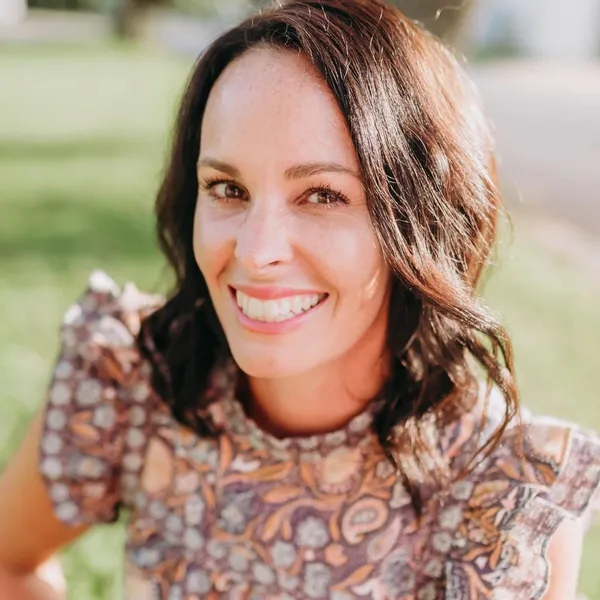
For more information, contact V. J. Petillo, Clinical Director for New Point Life Services, at vj.petillo@newpointva.org.
Any content, resident submissions, guest columns, advertisements, and advertorials are not necessarily endorsed by or represent the views of Best Version Media LLC (BVM) or any municipality, homeowners associations, businesses, or organizations that this publication serves. BVM is not responsible for the reliability, suitability, or timeliness of any content submitted, inclusive of materials generated or composed through artificial intelligence (AI). All content submitted is done so at the sole discretion of the submitting party.