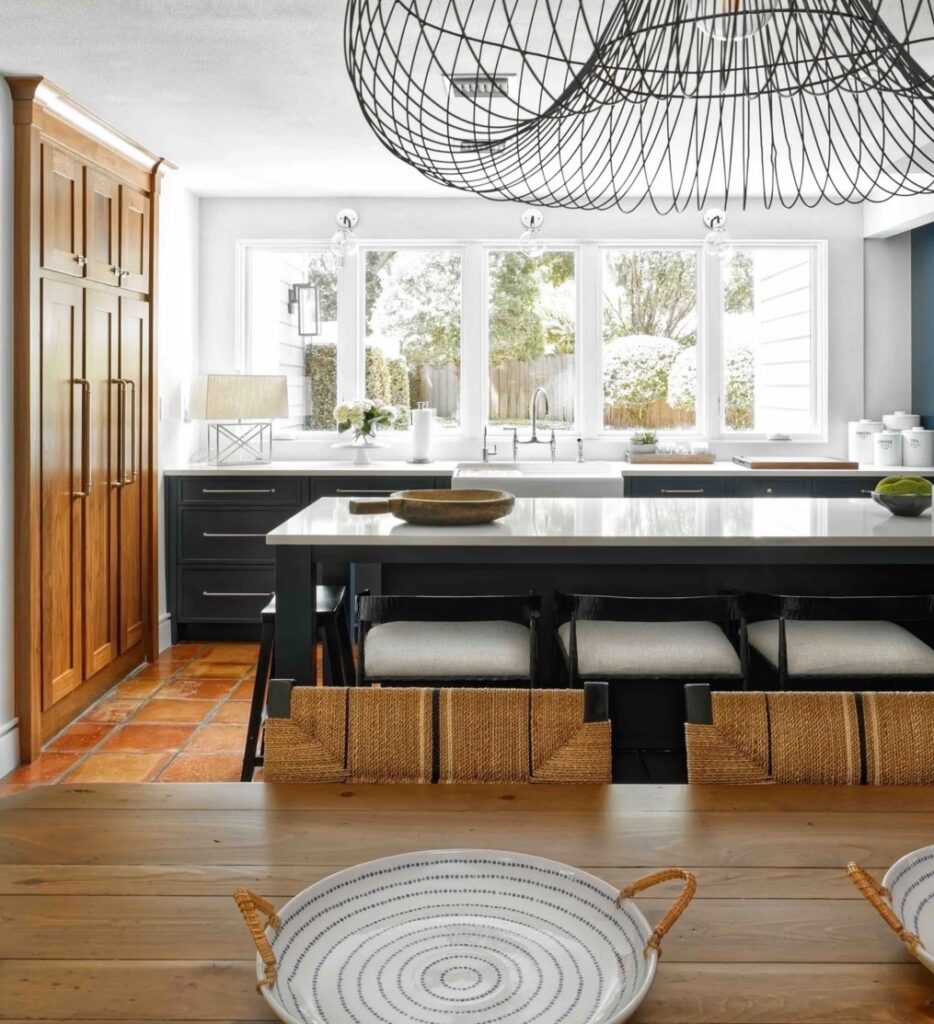
After four decades in residential construction, I’ve learned something about kitchen remodels. Not the DIY television show version, the real version. The one where a project starts with inspiration photos and ends with a homeowner standing in the doorway asking, “Wait… why is there no flooring under the cabinets?”
I’ve walked through hundreds of kitchen renovations, from simple refreshes to full custom rebuilds. Most homeowners plan the big-ticket items well. They choose cabinets and countertops, select appliances, and picture the lighting. They know the look they want.
What tends to surprise people are the smaller “under the hood” details, the practical realities that only show up once demolition begins. These items can steer the timeline and budget if they are not planned for.
Flooring is a big one. In many older homes, flooring was installed around the cabinets, not underneath them. When we remove old cabinetry, we sometimes uncover bare subfloor. That usually means the existing floor cannot stay, and the best long-term solution is replacing the kitchen floor so it runs continuously under the new layout. It is manageable. It just needs to be part of the plan from day one.
Appliance lead times can be another surprise. Some models, especially higher-end or specialty brands, take weeks or months to arrive. Because cabinet layouts are designed around exact appliance specifications, waiting too long to select and order appliances can stall the project. My advice is simple: choose appliances early, confirm dimensions, and order sooner than you think.
Electrical planning matters more than many expect. Today’s kitchens are filled with plug-in appliances, from coffee stations to air fryers and charging docks. If outlets are not planned intentionally, they end up hidden behind equipment or placed where they are not convenient. A well-designed kitchen includes enough outlets, located where you prep, cook, and gather.
Cabinet interiors deserve the same attention as cabinet doors. Pull-out trash bins, deep drawers, tray dividers, spice pull-outs, and appliance garages make daily use smoother. These features are far easier and more cost-effective to include during planning than to retrofit later.
Lighting is another difference-maker. One ceiling fixture can leave counters in shadow. A functional kitchen uses layered lighting: under-cabinet task lighting, overhead ambient lighting, and a few accent touches for warmth. Finally, do not forget ventilation. A properly sized range hood that vents outside and has enough power to clear heat and odors makes the kitchen more comfortable, especially if you cook often.
Trends come and go, but layout lasts. If the sink, refrigerator, and stove do not work together naturally, the kitchen will never feel quite right, no matter how beautiful the finishes are.
If you are considering a kitchen remodel and want a clear plan before the first cabinet comes out, I would be glad to help. Reach out to RLH Residential, and we can talk through your goals, your home, and the smart details that make a remodel go well.