As the frost thaws and the days lengthen, we stand on the threshold of nature’s most intricate acoustic performance. Spring isn’t just a visual transition; it is a complex auditory awakening. However, for millions living with untreated hearing loss, this symphony is often muffled, distorted, or, most tragically, silent.
Treating hearing loss is about more than just “volume.” It is about maintaining the neural pathways that allow us to connect with the world and ensuring we don’t miss the subtle, high-frequency cues that define the season of rebirth.
The High-Frequency Architecture of Spring
Most environmental sounds in nature, particularly those associated with spring, reside in the higher frequency ranges. This is exactly where age-related hearing loss usually begins.
- The Avian Chorus: The complex trills of a warbler or the sharp chirp of a robin are high-pitched signals. Without intervention, these are often the first sounds to disappear.
- The Gentle Thaw: The sound of a light spring rain hitting budding leaves provides a sense of “presence” and spatial awareness.
- The Breeze in the Leaves: The rustle of new growth requires fine-tuned auditory processing to distinguish from background static.
Beyond the Ears: The Cognitive Connection
When we ignore hearing loss, we aren’t just missing out on birdsongs, we are taxing our brains. This is known as cognitive load.
When the brain receives a degraded signal from the ears, it must work overtime to “fill in the blanks.” This constant straining leads to:
- Auditory Fatigue: Feeling exhausted after a simple walk in the park or a garden party.
- Social Isolation: Spring is a season of gatherings. If you can’t distinguish speech from the ambient noise of a windy patio, you are more likely to withdraw.
- Brain Atrophy: Research has consistently shown that untreated hearing loss is linked to an increased risk of cognitive decline and dementia. The “use it or lose it” principle applies heavily to our auditory cortex.
Reclaiming the Season: The Benefits of Intervention
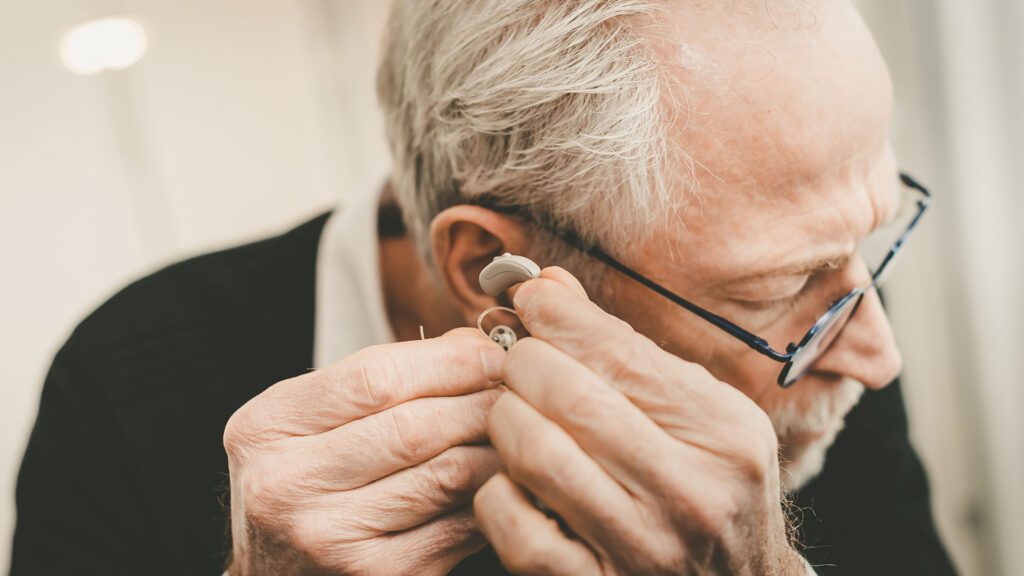
Modern hearing technology has evolved far beyond the bulky amplifiers of the past. Today’s devices are sophisticated computers capable of isolating the sounds you want to hear while suppressing wind noise—a frequent culprit of frustration during outdoor spring activities.
Don’t Wait for the Silence
Hearing loss often creeps in like a slow-moving fog. You might not notice the birds have stopped singing; you might simply think the neighborhood has become “quieter.”
Let this time of renewal be an opportunity to schedule your annual hearing check to make sure you don’t miss a single sound of spring.
To celebrate the coming spring, Dennison Hearing Solutions is offering new patients a FREE hearing screening ($175 value). Call to schedule yours today (770 – 209 – 2627).
Any content, resident submissions, guest columns, advertisements, and advertorials are not necessarily endorsed by or represent the views of Best Version Media LLC (BVM) or any municipality, homeowners associations, businesses, or organizations that this publication serves. BVM is not responsible for the reliability, suitability, or timeliness of any content submitted, inclusive of materials generated or composed through artificial intelligence (AI). All content submitted is done so at the sole discretion of the submitting party.