Choosing the right flooring for your home is about more than just style. The materials you select will impact how a space looks, feels, and functions for years to come. From busy kitchens and entryways to quiet bedrooms and cozy living spaces, each room has different demands that should guide your decision. Factors like moisture, foot traffic, pets, and maintenance preferences all play a role in determining which flooring option will perform best. By understanding how different materials hold up in everyday life, homeowners can make choices that balance durability, comfort, and design.
1. Consider the Room’s Function
The “best” floor depends entirely on where it’s going.
- High-Moisture Areas: For bathrooms, laundry rooms, and basements, luxury vinyl plank (LVP) or tile are the gold standards. They are waterproof and won’t warp when exposed to humidity or spills.
- High-Traffic Zones: Entryways and kitchens need durability. Tile or natural stone are incredibly tough, while high-grade laminate offers a more budget-friendly resistance to scratches and scuffs.
- Comfort Zones: For bedrooms or cozy dens, hardwood adds warmth and value, while carpet remains the king of comfort and sound insulation.
2. The Lifestyle Test
Be honest about how you live. Do you have large dogs with sharp claws? Are there toddlers prone to dropping juice boxes?
- Pets & Kids: Look for “distressed” finishes or matte surfaces. High-gloss floors show every scratch and fingerprint. LVP is often the top recommendation for pet owners because it’s scratch-resistant and easy on the paws.
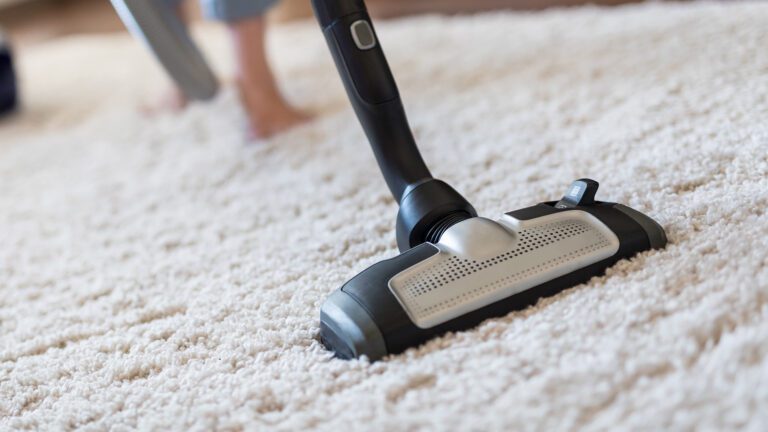
- Maintenance: If you hate vacuuming, avoid high-pile carpets. If you don’t want to deal with specialized cleaners or occasional refinishing, skip the solid hardwood.
3. Material Breakdown
- Hardwood: Timeless and increases home value. It can be refinished multiple times but is susceptible to water damage and scratches.
- Engineered Wood: Has a real hardwood veneer but is built in layers, making it more stable in changing temperatures. It’s a great compromise for those who want real wood in slightly humid climates.
- Laminate: A cost-effective mimic. Modern printing technology makes it look remarkably like wood or stone, but it can’t be refinished if damaged.
- Luxury Vinyl (LVP/LVT): The current industry favorite. It’s waterproof, DIY-friendly, and incredibly resilient.
4. Aesthetics and Light
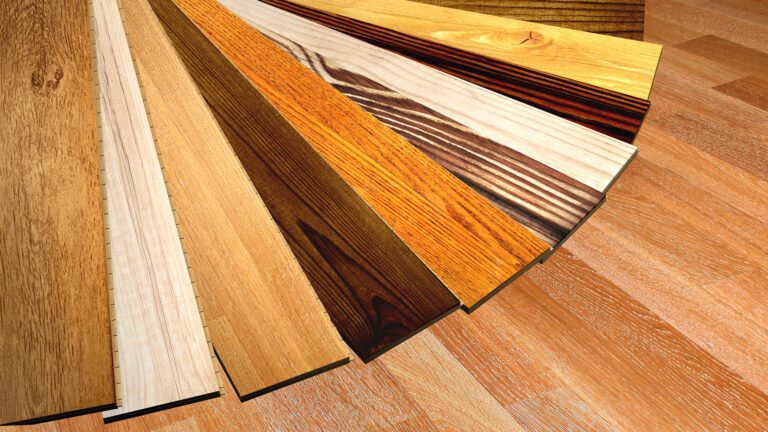
Dark floors add drama and sophistication but can make a small room feel closed in. Lighter woods or tiles open up a space and hide dust better than dark surfaces. Consider the undertone as well; cool grays feel modern, while warm honey tones feel traditional and inviting.
Before buying, always order samples. View them in your home’s natural light at different times of the day. A floor that looks perfect in a bright showroom might look completely different in your hallway. By prioritizing the specific needs of each room, you’ll ensure your floors look great and last for years to come.”
Any content, resident submissions, guest columns, advertisements, and advertorials are not necessarily endorsed by or represent the views of Best Version Media LLC (BVM) or any municipality, homeowners associations, businesses, or organizations that this publication serves. BVM is not responsible for the reliability, suitability, or timeliness of any content submitted, inclusive of materials generated or composed through artificial intelligence (AI). All content submitted is done so at the sole discretion of the submitting party.