You’ve eaten well — or so you thought. Yet bloating, gas, fatigue after meals, and unpredictable bowel habits have become your new normal. If this sounds familiar, you’re not alone. Digestive complaints are among the most common reasons people visit both conventional and integrative health practitioners in the Pacific Northwest. The good news? Your gut is remarkably resilient, and with the right approach, lasting relief is absolutely within reach.
Why Your Digestion Is Struggling
Modern life is quietly waging war on our digestive systems. The culprits are often hiding in plain sight. Ultra-processed foods, refined sugars, and industrial seed oils disrupt the delicate balance of the gut microbiome — the trillions of bacteria, fungi, and microorganisms that govern not just digestion, but immunity, mood, and metabolism.
Equally damaging are our eating habits themselves. Eating while standing at the kitchen counter, scrolling through emails at your desk, or rushing between meetings puts your body in a sympathetic “fight-or-flight” state. Digestion, however, is a parasympathetic function — it requires rest and safety to work properly. When you eat distracted or on the move, enzyme and stomach acid production drops, motility slows, and food sits and ferments rather than being efficiently broken down.
Other common drivers include chronic stress (which directly impairs gut lining integrity), antibiotic overuse, hormonal imbalances, inadequate hydration, and unidentified food sensitivities — most frequently to gluten, dairy, eggs, and soy.
A TCM Perspective: What Ancient Medicine Sees
Traditional Chinese Medicine has understood digestive health for over two thousand years through a completely different — yet deeply complementary — lens. In TCM, the Spleen and Stomach are the central organs of digestion, responsible for transforming food and fluids into energy (Qi) and blood.
The most common TCM patterns underlying digestive distress include Spleen Qi Deficiency (characterized by fatigue, loose stools, poor appetite, and bloating after meals), Liver Qi Stagnation (stress-driven symptoms like cramping, alternating bowel habits, and a sensation of fullness), and Dampness Accumulation (heaviness, brain fog, sluggishness, and sticky stools).
Treatment in TCM aims to tonify and warm the Spleen, smooth the flow of Liver Qi, and resolve Dampness. Practically, this looks like acupuncture targeting points such as ST36 (Zusanli) and SP6 (Sanyinjiao), herbal formulas like Si Jun Zi Tang for Qi deficiency or Xiao Yao San for Liver-Spleen disharmony, and specific dietary guidance such as favoring warm, cooked foods over raw and cold, eating at regular intervals, and avoiding iced beverages with meals.
Practical Strategies to Restore Gut Health
Integrating functional medicine with TCM wisdom, here is where to start:
Eat mindfully and seated. Put the phone down. Chew thoroughly — aim for 20 to 30 chews per bite. This simple act dramatically improves enzymatic breakdown and signals appropriate acid production.
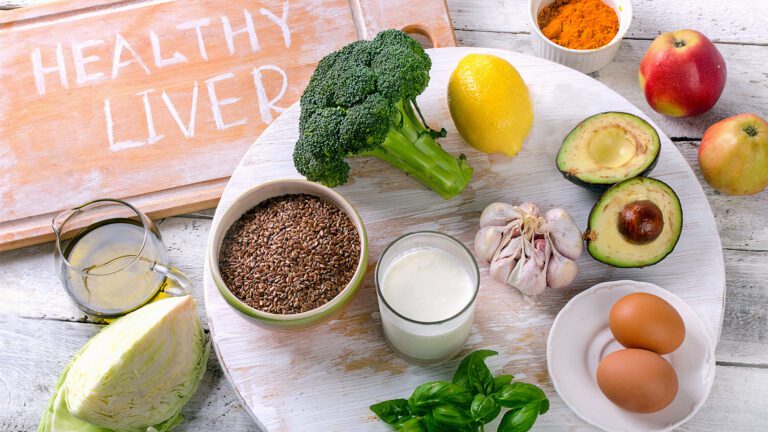
Embrace a whole-food, anti-inflammatory diet. Prioritize colorful vegetables, quality proteins, healthy fats, and fiber-rich legumes and whole grains. Eliminate common trigger foods for at least four weeks and reintroduce them systematically to identify your personal sensitivities. Hydrate strategically. Drink half your body weight in ounces of filtered water daily, but minimize fluids during meals to avoid diluting digestive enzymes.
Support your microbiome. Probiotic-rich fermented foods — kimchi, sauerkraut, kefir, miso — reintroduce beneficial bacteria. Prebiotic foods like garlic, leeks, asparagus, and green bananas feed them. A high-quality, multi-strain probiotic supplement can also be beneficial, especially following antibiotic use.
Investigate with lab testing. A comprehensive stool analysis (such as the GI-MAP) can identify dysbiosis, parasites, inflammation markers, and digestive enzyme insufficiency. Food sensitivity panels, organic acids testing, and cortisol mapping round out a functional picture that no symptom checklist alone can provide.
Move gently — but not immediately after eating. A short, leisurely walk 20 to 30 minutes after a meal supports gastric emptying and blood sugar regulation. Vigorous exercise immediately after eating, however, diverts blood flow away from the gut and impairs digestion.
The Bottom Line
Optimal digestion isn’t a luxury — it’s the foundation of your entire health. Whether you’re drawn to acupuncture, herbal medicine, targeted supplementation, or simply learning to sit down and breathe before your first bite, the most powerful medicine is often the most accessible. Start where you are, listen to your body, and consider working with an integrative or functional medicine practitioner to build a personalized roadmap back to digestive vitality. Your gut has been trying to tell you something. It’s time to listen.
Any content, resident submissions, guest columns, advertisements, and advertorials are not necessarily endorsed by or represent the views of Best Version Media LLC (BVM) or any municipality, homeowners associations, businesses, or organizations that this publication serves. BVM is not responsible for the reliability, suitability, or timeliness of any content submitted, inclusive of materials generated or composed through artificial intelligence (AI). All content submitted is done so at the sole discretion of the submitting party.