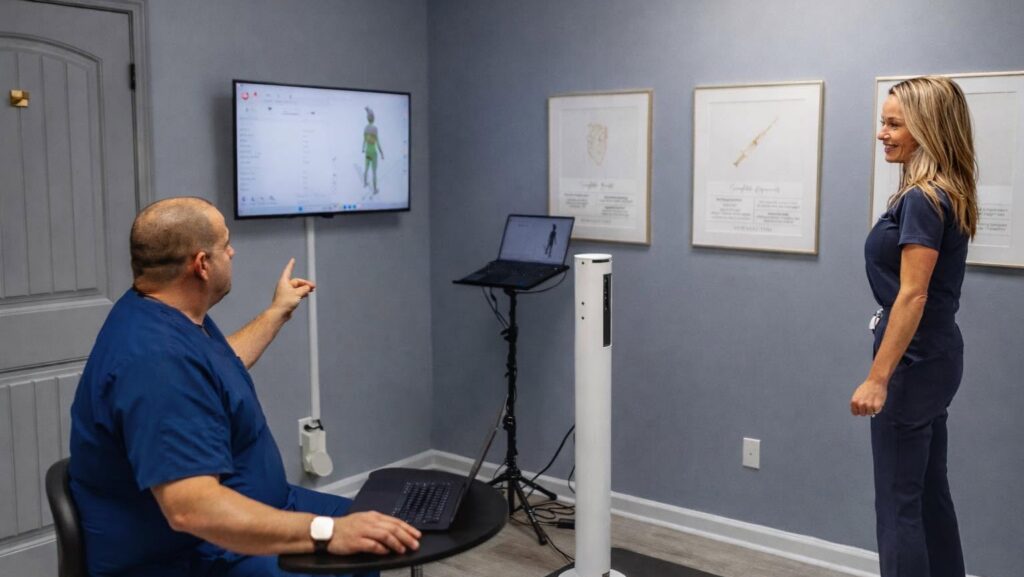
Each May, Mental Health Awareness Month gives us a chance to slow down and take a closer look at something many people carry quietly. In my work as a nurse practitioner, I see every day how closely mental health is tied to overall well-being. It affects sleep, energy, relationships, work, and even how we manage chronic conditions like diabetes or high blood pressure. The good news is that support is more accessible than many people think. In fact, one of the most important places mental health care begins is in primary care.
Why Primary Care Matters
For many patients, a primary care visit is the first and sometimes only point of contact with the healthcare system. That makes it a powerful place to identify concerns early.
Mental health symptoms do not always show up as “I feel anxious” or “I’m depressed.” More often, people come in with headaches, fatigue, trouble sleeping, or a general sense that something is off. These are real physical experiences, and they deserve attention. But they can also be connected to underlying stress, anxiety, or mood disorders.
In a primary care setting, we look at the whole picture. That includes medical history, lifestyle, stress levels, and emotional health. This approach allows us to connect the dots and start meaningful conversations that might otherwise be missed.
What a Mental Health Evaluation Looks Like
A mental health evaluation in primary care is straightforward and respectful. It is not about labels. It is about understanding.
We start with open questions. How have you been feeling? How are you sleeping? Are you able to focus? Do you feel overwhelmed more days than not?
From there, we may use brief screening tools to help measure symptoms of anxiety, depression, or other concerns. These tools are simple, evidence-based, and help guide next steps.
Just as important is listening. Patients need space to talk without feeling rushed or judged. That is often where the most valuable information comes from.
Treatment Options That Fit Real Life
Treatment is not one-size-fits-all. In primary care, we work with patients to create a plan that fits their life, not the other way around.
For some, that may include lifestyle adjustments like improving sleep habits, nutrition, or stress management. For others, medication can be a helpful tool when used thoughtfully and monitored closely.
Counseling and therapy are also key components of care. Many patients benefit from talking with a licensed therapist, psychologist, or counselor who can provide deeper support.
The goal is not just symptom relief. It is helping people feel steady, capable, and engaged in their daily lives.
The Power of Partnership
One of the strengths of modern primary care is collaboration. We do not work in isolation.
When a patient needs more specialized support, we connect them with trusted mental health professionals. This may include psychiatrists for complex medication management, therapists for ongoing counseling, or specialists in areas like trauma or substance use.
We stay involved throughout the process. That continuity matters. It ensures that care remains coordinated and that patients do not feel like they are navigating the system alone.
Reducing the Stigma
Despite progress, stigma still keeps many people from seeking help. Some worry about being judged. Others believe they should be able to “handle it” on their own.
The truth is, mental health challenges are common and treatable. Seeking care is not a weakness. It is a practical and responsible step toward better health.
Primary care can help normalize these conversations. When mental health is treated with the same importance as blood pressure or cholesterol, it becomes easier for patients to speak up.
A Local Resource in LaGrange
At Med2You, our goal is to make care accessible, personal, and grounded in real relationships. We provide primary care services with a strong focus on whole-person health, including mental wellness.
We take time to listen, evaluate thoughtfully, and build care plans that reflect each patient’s needs. When specialized care is needed, we help coordinate those connections so patients feel supported every step of the way.
Rex Campbell, NP
Med2You
LaGrange, Georgia
Website: Med2you.com
Phone: (706) 890-0687 call or text to connect
Address: 411 South Greenwood Street LaGrange, GA Telehealth: GA, FL, VA, CO, UT
Final Thoughts
Mental health is not separate from physical health. It is part of it. When we care for both together, outcomes improve and lives change in meaningful ways.
If something does not feel right, trust that instinct. Start the conversation. Primary care is a good place to begin.
Any content, resident submissions, guest columns, advertisements, and advertorials are not necessarily endorsed by or represent the views of Best Version Media LLC (BVM) or any municipality, homeowners associations, businesses, or organizations that this publication serves. BVM is not responsible for the reliability, suitability, or timeliness of any content submitted, inclusive of materials generated or composed through artificial intelligence (AI). All content submitted is done so at the sole discretion of the submitting party.