Layering window treatments—combining drapery with shades or shutters—is a design approach that blends function and style to create a polished, versatile look. By thoughtfully pairing these elements, homeowners can achieve better light control, enhanced privacy, and a more finished aesthetic that feels intentional and inviting.
At the core of layering is balance. Shades or shutters typically serve as the foundational layer, providing structure and functionality. Whether it’s a clean-lined roller shade, a textured woven shade, or classic plantation shutters, this base layer manages light, privacy, and insulation. Drapery is then added as the softer, more decorative element, framing the window and introducing color, pattern, and movement. The contrast between the tailored base and the flowing top layer creates visual harmony.
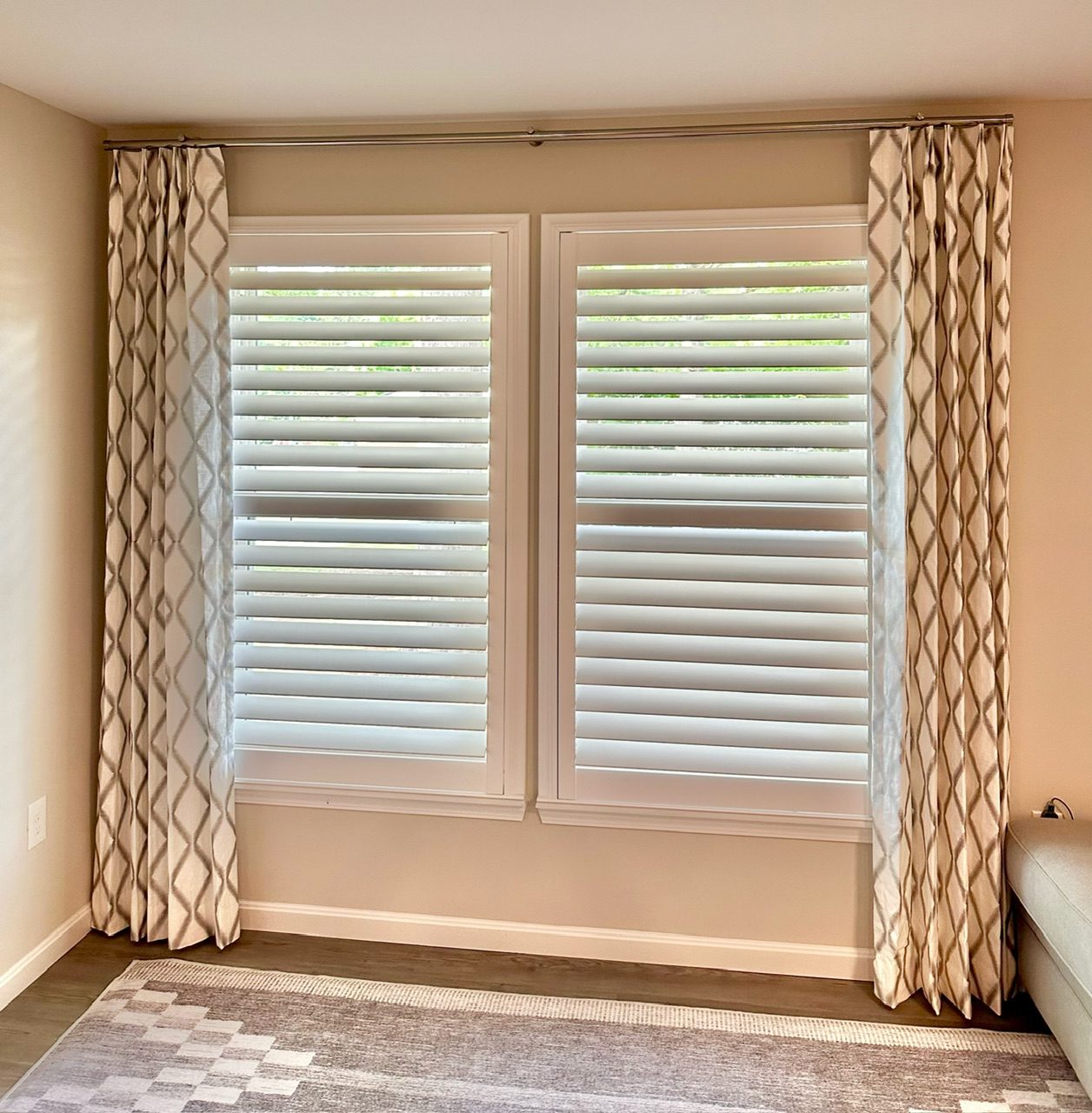
Submitted by Budget Blinds
Proportion and scale are essential to getting the look right. Drapery panels should be sized to complement the window and the underlying treatment without overwhelming it. Hanging drapery higher and wider than the window frame can make ceilings feel taller and windows appear larger. Fuller panels add a sense of luxury, while more streamlined panels create a modern, understated effect. The goal is to ensure each layer feels intentional and well-fitted, rather than crowded.
Color coordination also plays a significant role. Layered treatments don’t need to match perfectly, but they should relate to each other and to the room’s palette. Neutral shades paired with patterned drapery can create a focal point, while tone-on-tone combinations offer a more serene, cohesive look. Thoughtful color choices help tie the entire room together. Functionality remains just as important as aesthetics. Layering allows for flexible light control throughout the day. Shades or shutters can filter or block light when needed, while drapery can be opened or closed to adjust ambiance or add privacy. This adaptability makes layered treatments especially valuable in bedrooms, living rooms, and spaces with varying light conditions.
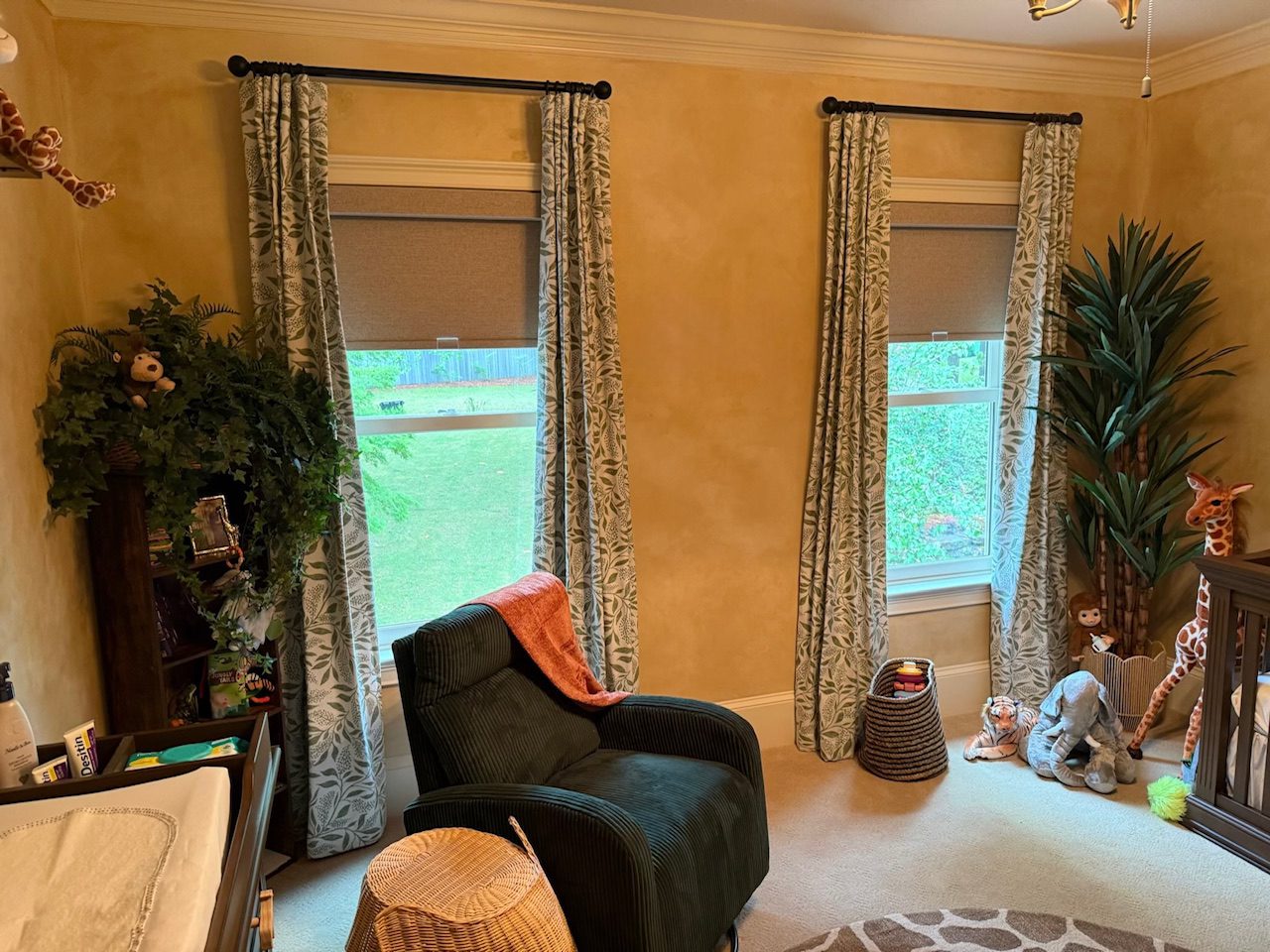
Submitted by Budget Blinds
Finally, hardware and installation details complete the design. The choice of rods, finials, and mounting style can subtly influence the overall look, whether traditional or contemporary. Professional installation ensures that each layer operates smoothly and aligns properly, maintaining both beauty and performance.
Incorporating layered window treatments is about more than just covering a window—it’s about creating a cohesive design feature that enhances the entire room. With the right combination of drapery and shades or shutters, you can achieve a look that is both functional and beautifully refined.
Any content, resident submissions, guest columns, advertisements, and advertorials are not necessarily endorsed by or represent the views of Best Version Media LLC (BVM) or any municipality, homeowners associations, businesses, or organizations that this publication serves. BVM is not responsible for the reliability, suitability, or timeliness of any content submitted, inclusive of materials generated or composed through artificial intelligence (AI). All content submitted is done so at the sole discretion of the submitting party.