The rise of GLP-1 receptor agonists such as Ozempic has transformed the management of type 2 diabetes and obesity. However, alongside their benefits, a new set of oral health concerns—often informally referred to as “Ozempic mouth”—has begun to emerge. While not a formal medical diagnosis, this term reflects a pattern of dental and oral side effects reported by patients using GLP-1 medications.
GLP-1 receptor agonists work by slowing gastric emptying, reducing appetite, and improving insulin sensitivity. These mechanisms can indirectly influence oral health in several ways. One of the most commonly reported issues is dry mouth (xerostomia). Reduced salivary flow may result from decreased fluid intake, appetite suppression, or medication-related physiological changes. Saliva plays a critical role in buffering acids, remineralizing enamel, and controlling bacterial populations in your mouth. When saliva production drops, patients face an increased risk of tooth decay, gum disease and bone, bad breath and acid erosion.
Another contributing factor is dietary change. Many individuals on GLP-1 medications eat less frequently or consume smaller portions. While this may reduce exposure to fermentable carbohydrates, it can also lead to inconsistent oral hygiene habits. For example, skipping meals may reduce the natural salivary stimulation that occurs during chewing, further exacerbating dryness. Additionally, some patients report nausea or vomiting—particularly during the early stages of treatment—which exposes teeth to gastric acid. Repeated acid exposure can erode enamel, increasing sensitivity and the likelihood of cavities. In some cases, reduced nutritional intake may also impact gum health, especially if essential vitamins and minerals (such as vitamin C, calcium, and vitamin D) are insufficient.
There is also a behavioral component. Patients focused on weight loss or managing medication side effects may unintentionally deprioritize oral hygiene routines. Fatigue, nausea, or changes in daily habits can lead to less frequent brushing and flossing, compounding the risk of dental problems.
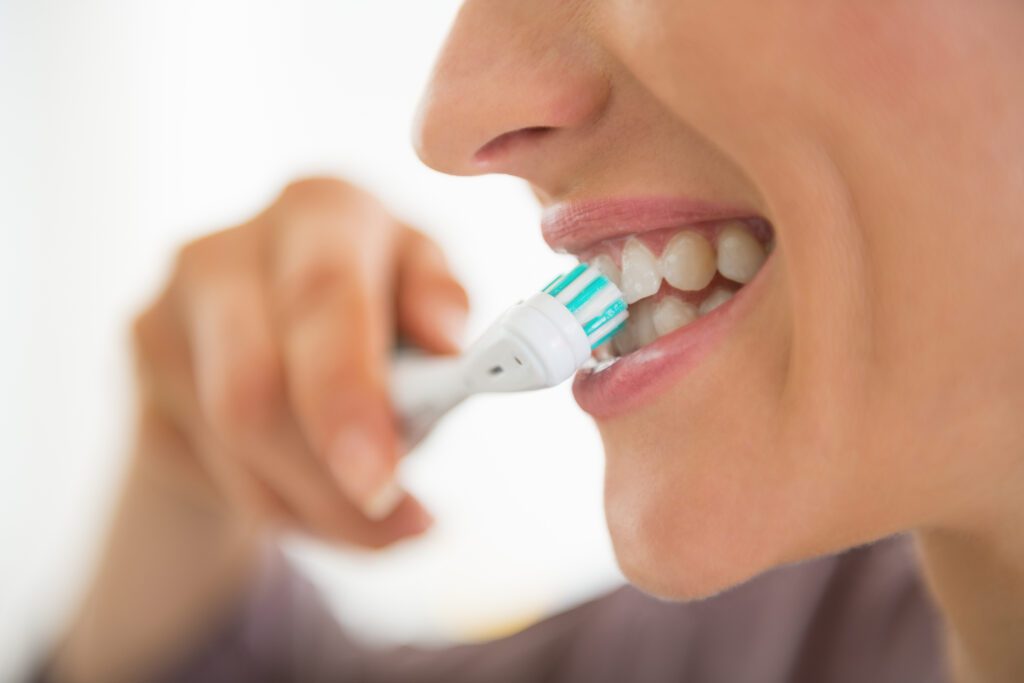
Despite these concerns, the oral health effects of GLP-1 medications are largely manageable with preventive care. Patients should be encouraged to maintain consistent oral hygiene, including brushing twice daily with toothpaste and flossing regularly. Staying well-hydrated is critical to combat dry mouth as well as. Taking 15-30 mg of a high-quality Zinc can help stimulate saliva flow and the use of sugar-free or xylitol gum. Saliva substitutes may help stimulate salivary flow. For those experiencing acid exposure from vomiting or reflux, rinsing with water or a baking soda solution—rather than brushing immediately—can help protect enamel. To help remineralize your teeth from acid and/or decay, strengthening enamel with a nano-hydroxyapatite toothpaste is a wonderful way to help fill in the micro-lesions and strengthens enamel against acid attacks.
Regular dental visits are especially important for patients on GLP-1 therapy. Dentists can monitor for early signs of decay, erosion, or gum disease and provide tailored recommendations. Collaboration between medical and dental providers is key to ensuring comprehensive care.
If you are considering GLP-1 therapy, we strongly recommend that you discuss treatment with your dental provider as part of the consideration to start GLP-1 therapy.