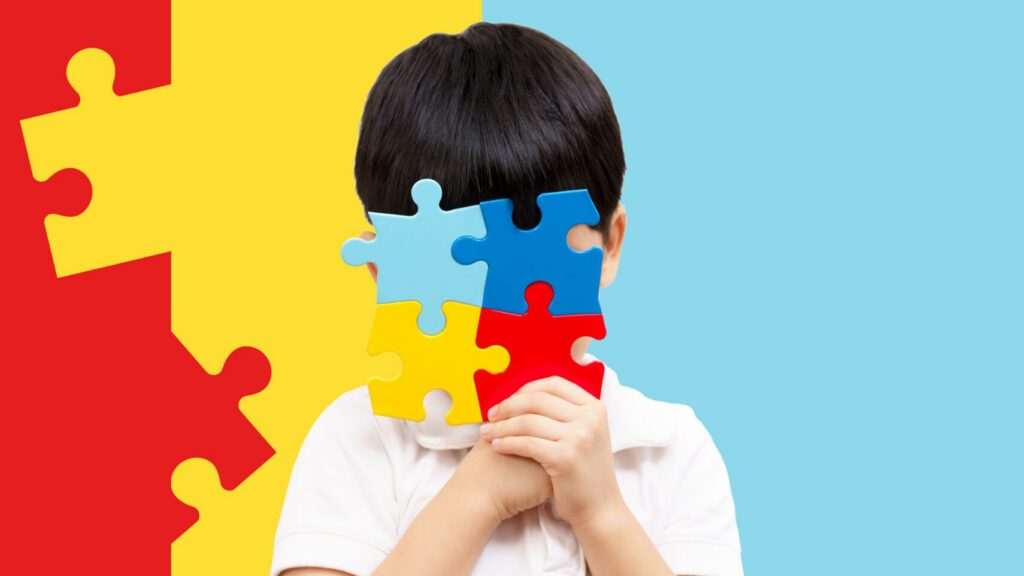
Autism Acceptance Month is a time to deepen understanding, celebrate neurodiversity, and recognize the unique strengths of individuals on the autism spectrum.
What Is Autism?
Autism Spectrum Disorder (ASD) is a developmental condition that affects how a person communicates, interacts socially, processes information, and experiences the world around them.
It is called a “spectrum” because autism looks different in every individual. Some people may need significant daily support, while others live independently and thrive in school, careers, and relationships. There is no single way autism presents.
Common Characteristics of Autism
While every individual is different, some common traits may include:
- Differences in communication (delayed speech, limited eye contact, difficulty with back-and-forth conversation)
- Repetitive movements or behaviors
- Strong preferences for routines and predictability
- Deep focus or interest in specific topics
- Sensory sensitivities (to sound, light, textures, or smells)
- Challenges with social interaction
It’s important to remember that these traits exist in a wide range. Some individuals may have only a few characteristics, while others may have many.
Early Signs Families May Notice
In young children, parents might observe:
- Limited response to their name
- Delayed speech or language development
- Difficulty engaging in pretend play
- Limited gestures (pointing, waving)
- Strong reactions to certain sounds or textures
- Preference for playing alone
If concerns arise, speaking with a pediatrician is the best first step. Early evaluation can provide clarity and, when appropriate, early support — both of which have been shown to improve long-term outcomes.
Strengths Often Associated with Autism
Autism is not simply a list of challenges. Many individuals on the spectrum demonstrate incredible strengths, including:
- Exceptional memory
- Strong attention to detail
- Honest and direct communication
- Creative thinking
- Deep knowledge in areas of interest
- Unique problem-solving abilities
When supported and understood, these strengths can become powerful assets in school, careers, and community life.
Moving From Awareness to Acceptance
This April, we encourage our community to move beyond awareness and toward meaningful acceptance — to listen, learn, and actively support children and adults navigating developmental differences every day.
Every individual deserves to feel seen, supported, and valued — not because they fit into a specific mold, but because they are uniquely themselves.
For families seeking additional guidance, Central Texas offers a strong network of trusted providers and community resources:
- Training Wheels ABA
- Therapy 2000
- Green Apple Therapy
- Ravenscroft Developmental Pediatrics
- Child Neurology Consultants of Austin
- Autism Society of Texas
These organizations provide therapy services, diagnostic care, advocacy, education, and support networks for individuals and families across the lifespan.
Any content, resident submissions, guest columns, advertisements, and advertorials are not necessarily endorsed by or represent the views of Best Version Media LLC (BVM) or any municipality, homeowners associations, businesses, or organizations that this publication serves. BVM is not responsible for the reliability, suitability, or timeliness of any content submitted, inclusive of materials generated or composed through artificial intelligence (AI). All content submitted is done so at the sole discretion of the submitting party.