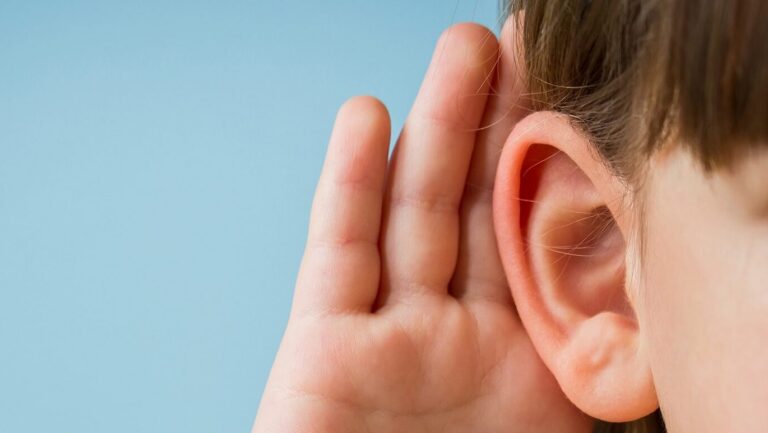
As children grow and develop, parents carefully watch for signs that they are thriving socially, emotionally, and academically. However, one issue that can quietly affect school-aged children is undiagnosed hearing loss. Because hearing changes can happen gradually, many families may not recognize the signs right away. In some cases, children themselves may not realize they are missing sounds because their hearing has changed slowly over time.
Undiagnosed hearing loss can impact much more than hearing. It may affect classroom learning, reading skills, communication, confidence, and social interaction. Children with hearing difficulties may struggle to follow conversations, misunderstand instructions, or appear distracted in school. Some parents notice their child frequently saying “what?” turning up the television volume, speaking loudly, or becoming frustrated in noisy environments.
Teachers are often among the first to notice possible signs of hearing challenges. A child who appears inattentive, has declining grades, struggles with speech clarity, or has trouble participating in group discussions may actually be experiencing hearing difficulties rather than behavioral or learning problems.
The good news is that hearing loss can often be identified and managed successfully with professional support.
One of the first steps families can take is scheduling a hearing evaluation with a hearing instrument specialist or hearing healthcare provider. These professionals can perform a series of simple, painless tests to determine whether hearing loss is present and identify the severity and type of hearing difficulty.
During the appointment, the specialist will review the child’s medical and hearing history, discuss concerns from parents and teachers, and conduct hearing screenings in a quiet environment. If hearing loss is identified, the provider will explain the results in clear, family-friendly language and discuss potential next steps.
Depending on the child’s needs, recommendations may include:
- Monitoring hearing over time
- Referral to an audiologist or ENT physician
- Hearing aids or other assistive technology
- Classroom listening support systems
- Speech or language therapy
For many families, hearing aids are an important part of improving communication and learning. Today’s hearing technology is highly advanced, discreet, and designed to help children hear more clearly in classrooms, sports activities, and everyday life.
Equally important is ongoing support and follow-up care. Hearing specialists work closely with families to ensure devices fit properly, function well, and continue meeting the child’s needs as they grow. Parents also receive guidance on helping children adjust emotionally and socially to hearing support.
Early identification can make a significant difference in a child’s success both in and out of the classroom. When hearing challenges are addressed promptly, children are better able to communicate confidently, engage with peers, and reach their full academic potential.
For families with concerns about their child’s hearing, taking the first step toward a professional evaluation can provide clarity, reassurance, and a path forward toward better hearing and brighter opportunities.
Any content, resident submissions, guest columns, advertisements, and advertorials are not necessarily endorsed by or represent the views of Best Version Media LLC (BVM) or any municipality, homeowners associations, businesses, or organizations that this publication serves. BVM is not responsible for the reliability, suitability, or timeliness of any content submitted, inclusive of materials generated or composed through artificial intelligence (AI). All content submitted is done so at the sole discretion of the submitting party.