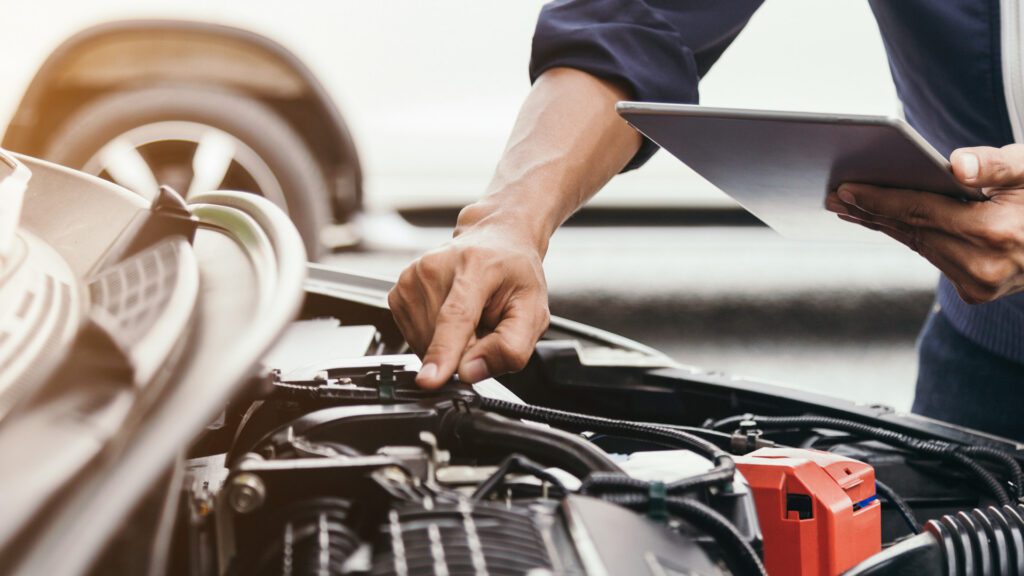
Buying used auto parts can often save you up to 50% or more compared to new OEM (Original Equipment Manufacturer) parts—while still providing reliable performance for many repairs. Here’s why it works financially:
Dramatically Lower Upfront Prices
- New parts carry the full cost of manufacturing, shipping, branding, and dealer markups.
Used parts come from salvaged vehicles and are sold at a fraction of that price.
Labor and Installation Compatibility
- Used parts (especially OEM used) are often direct bolt-ons with perfect fitment, reducing installation time and potential custom work.
- Mechanics may charge less labor when working with familiar used components, or you can install simpler parts yourself (e.g., mirrors, lights, sensors).
Warranties and Return Policies Reduce Risk
Reputable salvage yards, like Lindale Auto Parts offer 30 day warranties (sometimes longer on mechanical parts). This mitigates the “what if it fails?” concern. Many used parts from late-model, low-mileage wrecks perform nearly as well as new ones.
When It Makes the Most Sense
- Routine maintenance and bodywork on vehicles you plan to keep short-to-medium term.
- Older or high-mileage cars where the cost of new parts exceeds the vehicle’s remaining value.
- Non-critical systems (cosmetic, lights, interior) vs. high-safety items (brakes, airbags—where new is often smarter).
Caveats for smart saving:
- Buy from reputable sources with vehicle history (mileage, accident info when available).
- Inspect parts when possible or choose sellers with good return policies.
- For critical safety or emissions components, weigh reliability carefully—sometimes new is worth the premium.
Overall, used parts shift economics in your favor by leveraging the massive existing supply of functional components from scrapped vehicles instead of paying for brand-new production. Many people keep older cars on the road affordably for years this way. If you’re working on a specific vehicle or part, check with Lindale Auto Parts online inventory to show the exact dollar difference.
Any content, resident submissions, guest columns, advertisements, and advertorials are not necessarily endorsed by or represent the views of Best Version Media LLC (BVM) or any municipality, homeowners associations, businesses, or organizations that this publication serves. BVM is not responsible for the reliability, suitability, or timeliness of any content submitted, inclusive of materials generated or composed through artificial intelligence (AI). All content submitted is done so at the sole discretion of the submitting party.