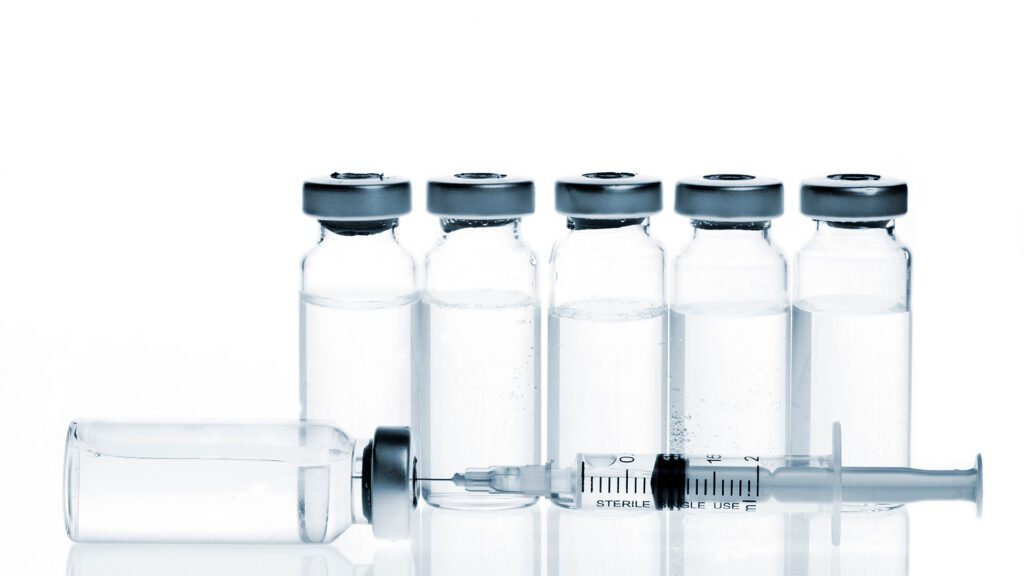
In the modern wellness landscape, peptides like BPC-157, Semaglutide, and TB-500 are often hailed as “miracle molecules” for their ability to signal specific biological repairs (Nowosielski, 2026). However, the market for these substances has rapidly evolved into a “Wild West” of unregulated products, where the line between a life-changing therapy and a dangerous chemical is often just a label. Navigating this space requires understanding the critical difference between “research grade” substances and professional-grade compounded medications.
The Illusion of “Research Use Only”
If you search for peptides online, you will find dozens of websites selling vials at a fraction of the cost of a medical clinic. These products are almost universally labeled “For Research Use Only; Not for Human Consumption.” This is not a suggestion. It is a legal “fig leaf” that allows companies to bypass the rigorous oversight of the FDA (Shah, 2026).
When you buy research-grade peptides, you are essentially purchasing a chemical reagent intended for a petri dish, not a human body. These products lack:
- Sterility Oversight: They are often manufactured in non-sterile environments where bacterial endotoxins can contaminate the product (Shah, 2026).
- Synthesis Standards: Many of these peptides are mass-produced in overseas labs (predominantly in China) using industrial-grade reagents rather than pharmaceutical-grade ones (Brookings, 2026).
- Label Accuracy: Investigations have found that “research” vials often contain the wrong dosage, the wrong peptide entirely, or harmful residual solvents like trifluoroacetic acid (TFA) (FDA, 2026; Shah, 2026).
The Pharmacy Standard: FDA and DEA Oversight
In contrast, legitimate medical practices source their peptides from regulated compounding pharmacies (specifically 503A or 503B facilities) located within the United States. These pharmacies are subject to strict state and federal regulations, including FDA inspections and DEA oversight for controlled substances (FDA, 2026; Empower Pharmacy, n.d.).
Professional compounding pharmacies do not simply “re-label” imported powders. They are required to:
- Verify Sourcing: Use Active Pharmaceutical Ingredients (APIs) from manufacturers that are FDA-registered and compliant with Current Good Manufacturing Practices (cGMP) (FDA, 2026).
- Ensure Purity: Provide a Certificate of Analysis (COA) for every batch. This document confirms the peptide’s identity and verifies a purity level—typically 99% or higher—via High-Performance Liquid Chromatography (HPLC) (AmbioPharm, n.d.; Empower Pharmacy, n.d.).
- Guarantee Sterility: Conduct rigorous testing for heavy metals, microbial contamination, and potency to ensure the product is safe for injection (Shah, 2026).
Why Clinical Sourcing Matters
When a doctor prescribes a peptide, they typically prioritize molecules that have a history of FDA approval or are currently being reviewed for inclusion on the 503A Bulk Drug Substances List (Nowosielski, 2026). Even when using experimental or “off-label” peptides, a professional practice ensures the medication is compounded in a sterile, US-regulated environment.
Injecting an unregulated “research” peptide is a gamble with your immune system. Substandard peptides can be misfolded or contaminated, potentially provoking an autoimmune response where your body begins to attack its own signaling molecules (Shah, 2026).
3 Questions to Ask Your Physician
To ensure you are receiving high-quality, professional-grade peptides, ask these three questions before starting treatment:
- “Can you provide the Certificate of Analysis (COA) for this specific batch?”
- Correct Response: “Yes, here is the COA from the pharmacy. It shows the batch was tested via HPLC and has a purity of [99%+] and has passed sterility and endotoxin testing.”
- Red Flag: “We don’t have those on hand,” or “The manufacturer says it’s pure.”
- “Which compounding pharmacy produced this, and are they a PCAB-accredited or 503A/B regulated facility?”
- Correct Response: “We use [Pharmacy Name], a US-based, state-licensed 503A pharmacy that follows cGMP standards.”
- Red Flag: “We source them directly from a wholesaler,” or any mention of “research labs.”
- “Is this vial labeled for ‘Research Use Only,’ or is it labeled for ‘Professional Use’ with my specific prescription?”
- Correct Response: “This is a prescription medication compounded specifically for you, labeled for human use with your dosage instructions.”
- Red Flag: “It says ‘research only’ just for legal reasons, but it’s the same stuff.” (This indicates they are bypassing medical safety laws).
Science Over Savings
Peptides are an exciting and emerging part of medicine, but like any new frontier, we must maintain strict guardrails for patient safety. While that inexpensive bottle of peptides you find online may be tempting, the long-term cost to your health could be much more than you anticipated. To ensure you are receiving the therapeutic results you seek, it is vital to work with a licensed professional using FDA-regulated pharmacies. This transforms peptide therapy from a high-stakes gamble into a safe, effective medical intervention.
References
AmbioPharm. (n.d.). Peptide testing | HPLC & UPLC. https://www.ambiopharm.com/articles/what-is-peptide-content/
Brookings Institution. (2026). When medicine supply chains become weapons: China’s leverage and how the U.S. should respond. https://www.brookings.edu/articles/when-medicine-supply-chains-become-weapons-chinas-leverage-and-how-the-u-s-should-respond/
Empower Pharmacy. (n.d.). 503A Compounding pharmacy / 503B facility quality standards. https://www.empowerpharmacy.com/
FDA. (2026). FDA’s concerns with unapproved GLP-1 drugs used for weight loss. https://www.fda.gov/drugs/postmarket-drug-safety-information-patients-and-providers/fdas-concerns-unapproved-glp-1-drugs-used-weight-loss
Nowosielski, B. (2026). FDA set to review peptide access for compounding pharmacies. Drug Topics. https://www.drugtopics.com/view/fda-set-to-review-peptide-access-for-compounding-pharmacies
Shah, T. (2026). Chinese peptides are flooding Silicon Valley biohacking. Medium. https://tasmayshah12.medium.com/chinese-peptides-silicon-valley-biohacking-0c511511edda
Any content, resident submissions, guest columns, advertisements, and advertorials are not necessarily endorsed by or represent the views of Best Version Media LLC (BVM) or any municipality, homeowners associations, businesses, or organizations that this publication serves. BVM is not responsible for the reliability, suitability, or timeliness of any content submitted, inclusive of materials generated or composed through artificial intelligence (AI). All content submitted is done so at the sole discretion of the submitting party.