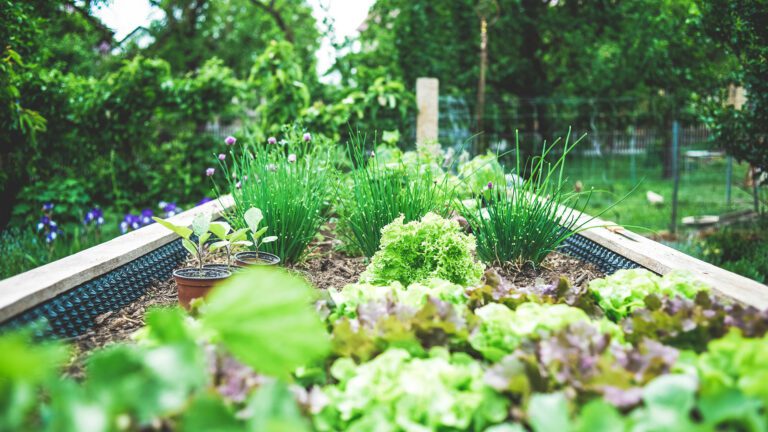
In our continuing Sense-ational Gardens series, we arrive at the fourth sense: touch. While texture can be perceived visually and even suggested through sound, its most immediate impact is physically the way materials feel underfoot, in the hand, and across the body as we move through a space. Designing with touch in mind elevates an outdoor environment from something that is merely seen to something that is genuinely experienced.
At the outset of any outdoor living project, I consider not only how a space will look, but how it will feel. This goes beyond atmosphere or mood and extends to the physical interaction between people and their surroundings. A private garden sanctuary, for instance, should evoke softness, intimacy, and a sense of retreat. In contrast, a recreational lawn calls for durability and openness, while a dining terrace requires stability, comfort, and refinement. These distinctions are achieved largely through the thoughtful use of texture.
Material selection plays a central role in defining these experiences. A garden space might incorporate layered plantings with varied leaf structures, complemented by a pea gravel path that softly compresses underfoot, reinforcing a slower, more contemplative pace. A lawn area, whether natural grass or artificial turf provides a resilient, uniform surface suited to activity and play. Meanwhile, a dining or entertaining space benefits from smooth, even materials such as natural stone or porcelain pavers, which offer both comfort and practicality for furniture placement and foot traffic.
The ability to shape how a space feels through texture is one of the most powerful tools in landscape design. Hardscape elements, patios, walkways, retaining walls, decks, and masonry structures present an almost limitless array of options. Each material carries its own physical qualities: the coolness of bluestone, the subtle irregularity of hand-cut flagstone, the warmth of wood decking, or the refined consistency of manufactured pavers. The role of the designer is to curate these choices, narrowing them down to a cohesive palette that aligns with the project’s aesthetic goals while remaining mindful of budget considerations.
This same approach extends beyond hardscaping. Plant material introduces an entirely different layer of texture, from the feathery softness of ornamental grasses to the bold, waxy surfaces of broadleaf evergreens. Architectural features such as pergolas, pavilions, and pool houses contribute both visual weight and tactile contrast, while water features add a dynamic, sensory dimension inviting interaction through mist, movement, and sound. Even the finish of pool interiors or the edge detail of coping can subtly influence how a space is experienced by touch.
Ultimately, designing for touch is about intentionality. It requires thinking beyond appearance and considering how each surface contributes to comfort, usability, and emotional response. When textures are thoughtfully integrated, they guide movement, define purpose, and enrich the overall experience of a landscape.
Touch is a defining yet often underappreciated element in outdoor design. By carefully selecting and combining textures from hardscape materials to plantings and architectural features designers can shape how a space is physically experienced. The result is an environment that not only looks cohesive but feels purposeful, comfortable, and uniquely suited to how it is used.
Tracy and Jason Bruno enjoy creating beautiful outdoor living spaces that add function and value to their clients’ properties. Both are master landscape designers with 40+ years of combined experience, and Jason is a certified building professional with the Pool and Hot Tub Association.
Any content, resident submissions, guest columns, advertisements, and advertorials are not necessarily endorsed by or represent the views of Best Version Media LLC (BVM) or any municipality, homeowners associations, businesses, or organizations that this publication serves. BVM is not responsible for the reliability, suitability, or timeliness of any content submitted, inclusive of materials generated or composed through artificial intelligence (AI). All content submitted is done so at the sole discretion of the submitting party.