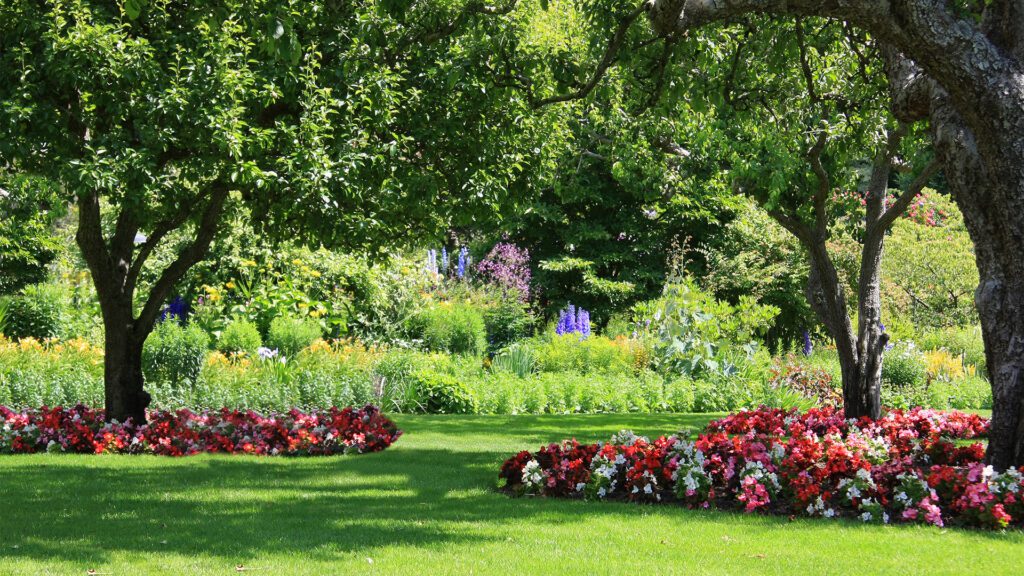
As I write this article, it is a cool, early May morning. While my eyes wander over the landscape, I see tiny leaflets starting to emerge on almost every tree on my property. By the time this article appears in this publication, it will be June and the leaflets of May will, for the most part, be fully opened and mature. I have been walking through yards of Mansfield and surrounding towns for over 40 years now. These walks are educational walks where the homeowners get the opportunity to have an arborist introduce them to their trees as well as the trees’ environmental likes and dislikes. One of the most important concepts that I impart to my clients is this: if you want to learn to listen to your trees, you’ll need to learn to listen to them with your eyes. From December to April, trees have very little to say. If May is when they whisper, then June is when they sing.
I encourage you to take the time to enjoy a walk through your yard. I’ll often take a moment to pause at a point that opens up to the largest portion of trees that I can gather up in one eyeful. After a macro overview, I’ll walk up to all my trees individually and shift to a micro, tree-by-tree assessment. If you see two or three trees that concern you, it might be time to consider having a local arborist come by for what I refer to as a consultative walk.
Here are some things that you should be looking for in June:
– Leaves that are smaller than expected or slow to fully develop
– Sections of the canopy that are thin, sparse, or not leafing out at all
– Discoloration, including yellowing, browning, or spotting on leaves
– Dead twigs or branches, especially in the upper canopy
– Leaves that appear wilted, curled, or distorted
– Evidence of insect activity, such as holes, skeletonized leaves, or visible pests
– Cracks, wounds, or peeling bark along the trunk or major limbs
– Unusual lean or recent shifts in the tree’s posture
Here’s why these things should be of concern to you:
June is a month of full expression for trees. By this point in the season, a healthy tree should be showing strong, consistent growth throughout its canopy. When something is off—whether it’s delayed leaf-out, uneven density, or visible damage—it is often an early indication of stress. That stress could be tied to root issues, environmental conditions, insect pressure, or disease. The key is that trees rarely fail suddenly; they decline over time, and June is one of the best opportunities to catch that decline early. What you see now is your tree communicating its current health and its likely trajectory.
Summary:
In June, trees are at their most expressive, making it the ideal time for homeowners to “listen” with their eyes. By stepping back for a broad view and then moving in for a closer inspection, you can identify early signs of stress or decline. Paying attention to leaf development, canopy density, and structural integrity allows you to catch issues before they become serious problems. When in doubt, a consultative walk with a professional arborist can provide clarity and peace of mind.