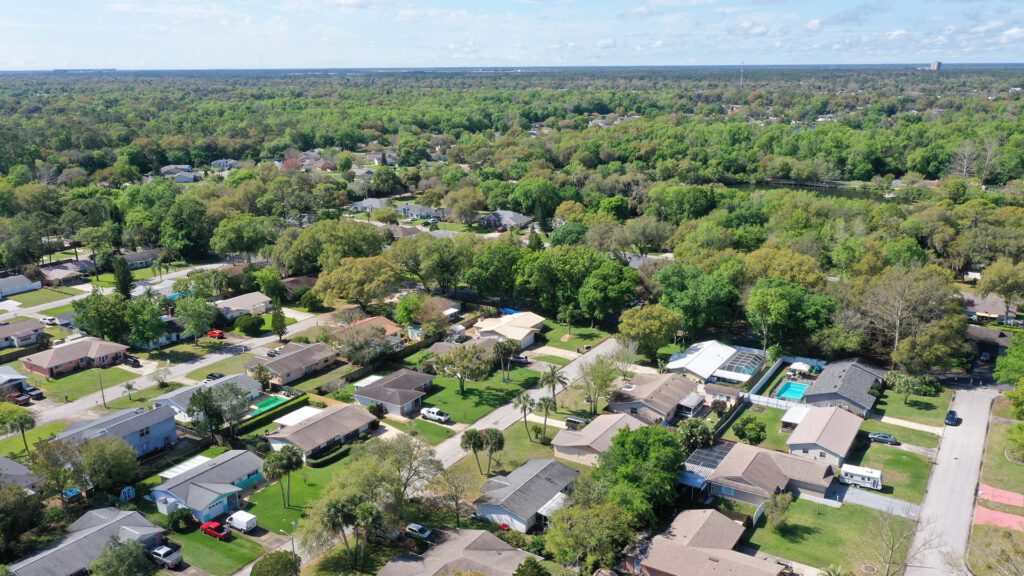
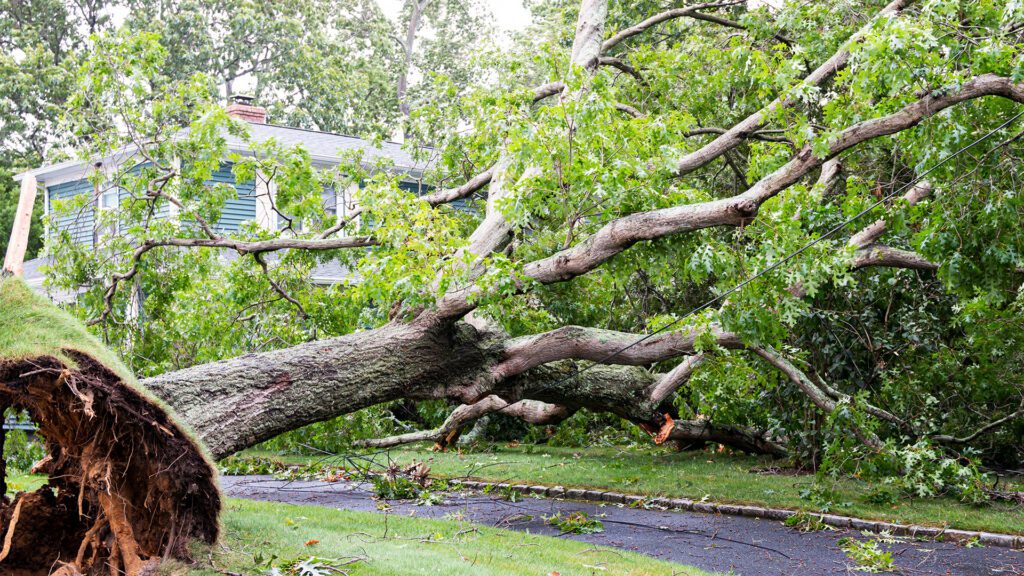
Hurricane season in Florida officially runs from June 1 through November 30, and each year residents are reminded just how unpredictable and costly these storms can be. High winds, storm surge, heavy rainfall, and flooding can cause widespread damage in a very short amount of time. As the next hurricane season approaches, now is the ideal time to review your insurance coverage to make sure you are properly protected— before a storm is on the radar.
Many Floridians assume their homeowners insurance covers all hurricane-related damage, but that is often not the case. A standard homeowners policy typically covers wind damage, but may carry a separate—and often higher—hurricane deductible. This deductible is usually calculated as a percentage of your dwelling limit rather than a flat dollar amount, which can result in significant out-of-pocket costs after a storm. Understanding how your deductible works is essential to avoiding financial surprises when you need coverage the most.
Flooding is another major risk during hurricanes, and one of the most misunderstood areas of insurance. Flood damage is not covered under a standard homeowners or renters insurance policy. Separate flood insurance is required, whether through the National Flood Insurance Program (NFIP) or a private insurer. Even properties outside designated flood zones can experience flooding due to heavy rainfall or storm surge. Waiting until a storm is approaching is not an option—most flood policies have a waiting period before coverage takes effect.
Florida homeowners should also pay close attention to policy exclusions and limits. Some policies may limit coverage for roofs based on age or materials, while others may exclude certain types of water damage. With the rising cost of construction and materials, it’s critical to ensure your dwelling coverage reflects current replacement costs, not outdated values. Being underinsured could leave you responsible for a large portion of rebuilding expenses after a major storm.
Condo owners, renters, and landlords face different—but equally important—insurance considerations. Condo association policies typically cover common areas and the building structure, but not personal property, interior improvements, or loss of use. Renters insurance can help protect belongings and provide temporary living expenses if your rental becomes uninhabitable due to a hurricane. Landlords should confirm they have adequate coverage for both property damage and loss of rental income.
Finally, preparation goes beyond buying a policy. Documenting your home and belongings, understanding your claims process, and working with a knowledgeable insurance professional can make a significant difference in recovery after a storm. Hurricane season is not the time to discover coverage gaps—it’s the time to feel confident that you’ve planned ahead.
In Florida, hurricanes are a fact of life, but financial devastation doesn’t have to be. Reviewing your insurance coverage now can help protect your property, your finances, and your peace of mind when the next storm arrives.
Any content, resident submissions, guest columns, advertisements, and advertorials are not necessarily endorsed by or represent the views of Best Version Media LLC (BVM) or any municipality, homeowners associations, businesses, or organizations that this publication serves. BVM is not responsible for the reliability, suitability, or timeliness of any content submitted, inclusive of materials generated or composed through artificial intelligence (AI). All content submitted is done so at the sole discretion of the submitting party.