Heel pain can be frustrating, especially when it starts affecting your morning steps, daily walks, workouts, or time on your feet at work. One of the most common causes of heel pain is plantar fasciitis, a condition involving irritation of the plantar fascia—the strong band of tissue that runs along the bottom of your foot from the heel to the toes. The good news is that plantar fasciitis often responds very well to the right treatment plan, especially when the true cause of the problem is identified early.
Many people assume heel pain appears suddenly for no reason, but plantar fasciitis usually develops over time. Common causes include tight calf muscles, poor ankle mobility, weakness in the foot or lower leg, worn-out shoes, standing for long hours on hard surfaces, or doing too much activity too quickly. Runners, walkers, workers who stand all day, and active adults are all commonly affected.
One of the classic signs of plantar fasciitis is sharp pain with the first few steps in the morning or after sitting for a while. Some people notice the pain eases once they start moving, only to return later in the day. Others feel aching in the heel after exercise, long walks, or prolonged standing. If these symptoms sound familiar, it may be time to seek help before the condition becomes more stubborn.
At Highland Physical Therapy, treatment begins by finding out why your foot is hurting in the first place. Rather than simply masking symptoms, the team focuses on correcting the movement problems and stressors that may be overloading the plantar fascia. Every patient receives an individualized plan based on their lifestyle, goals, and activity level.
Physical therapy for plantar fasciitis often includes hands-on treatment to improve mobility in the foot and ankle, stretching for tight calf muscles, and strengthening exercises for the foot, ankle, and hips. Balance training and walking analysis may also be included to improve how your body moves and reduce repeated stress on the heel. These natural treatment methods are designed to help the tissue heal while improving long-term function.
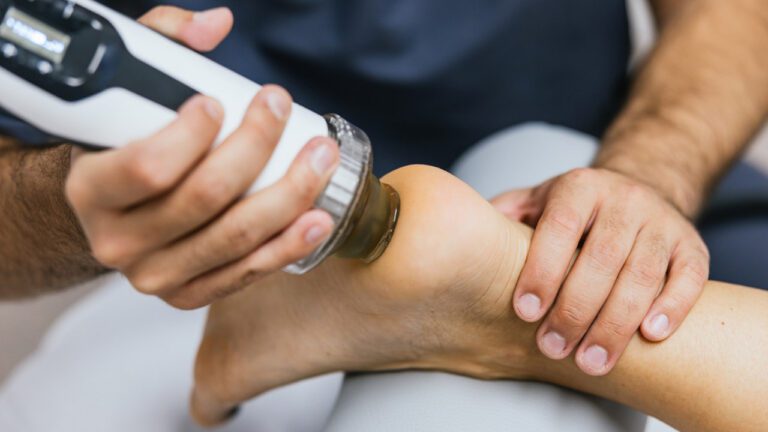
For chronic or stubborn cases, Highland Physical Therapy offers focused shockwave therapy. This non-surgical treatment uses acoustic waves to stimulate healing in irritated tissue and reduce pain. Many people choose shockwave when they want an option beyond medication, injections, or simply waiting for the pain to go away.
Perhaps most importantly, getting treatment early can help prevent plantar fasciitis from becoming a long-term problem. Ignoring heel pain often leads to changes in walking mechanics, reduced activity, and compensation aches in the knees, hips, or back.
If heel pain is slowing you down, know that you do not have to just live with it. With the right guidance, many people return to walking, working, running, and enjoying daily life without pain. Highland Physical Therapy is proud to help members of the local community move better, feel better, and get back to doing the things they love.
Any content, resident submissions, guest columns, advertisements, and advertorials are not necessarily endorsed by or represent the views of Best Version Media LLC (BVM) or any municipality, homeowners associations, businesses, or organizations that this publication serves. BVM is not responsible for the reliability, suitability, or timeliness of any content submitted, inclusive of materials generated or composed through artificial intelligence (AI). All content submitted is done so at the sole discretion of the submitting party.