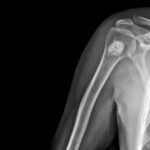
We often think of osteoporosis as a calcium crisis — bones running out of their mineral fuel and quietly crumbling away. But bone isn’t a chalk stick waiting to snap. It’s living tissue: metabolically active, hormonally tuned, and in constant conversation with the immune and metabolic systems that shape every other part of us.
Inside each bone, a quiet renovation never stops. Old tissue is cleared out while new material takes its place. Two kinds of cells orchestrate this rhythm: osteoclasts, which break down aging bone, and osteoblasts, which build new matrix in its place. When that partnership stays in harmony, bone remains strong, adaptable, and self-renewing.
Trouble begins when that balance tips — not just from mineral loss, but from the chemical tone of the body itself. Chronic inflammation can whisper destructive commands into the marrow microenvironment, changing how bones behave. Inflammatory molecules like IL‑1β and TNF‑α amplify osteoclast activity, suppress osteoblast repair, and intensify RANKL signaling, a key driver of bone resorption. Over time, the inner lattice known as trabecular bone thins, undermining strength from within.
Clinical patterns tell the same story. People with rheumatoid arthritis—where inflammation runs chronically high—face a much greater fracture risk even when they get plenty of calcium. Elevated C‑reactive protein (CRP), a marker of systemic inflammation, predicts bone fractures independent of calcium intake or bone mineral density. Metabolic syndrome, marked by insulin resistance and oxidative stress, fuels osteoclast overactivity while quieting the bone-building osteoblasts.
The emerging theme is clear: bone health is an immune story as much as a mineral one. Chronic inflammatory diseases speed bone loss. Persistent immune activation weakens structure. Oxidative stress blunts bone formation. Even standard lab markers of inflammation can forecast fracture risk more reliably than dietary mineral levels.
Yet there’s a hopeful twist. When inflammatory signaling resolves and the immune system quiets, balance returns. Osteoclast overactivity slows, matrix-building resumes, and healthy mineralization follows. Bone density rises not just from supplementation but from restoring cellular cooperation.
How we nourish that restoration matters. Omega‑3 fatty acids (EPA and DHA) foster pro‑resolving mediators that help calm inflammation. Polyphenols like curcumin, quercetin, and green tea catechins moderate NF‑κB, a key inflammatory pathway. Resistance training delivers mechanical signals that directly stimulate osteoblasts. Adequate vitamin D and magnesium support immune‑bone communication, while stabilizing blood sugar and reducing oxidative stress lowers the cytokine burden that drives loss.
Bone is far more than structure; it’s a living mirror of systemic balance. Calcium provides the raw material — but the environment in which it’s placed decides whether that material forms resilient architecture or fragile lattice. To build truly strong bones, we must nourish not only minerals, but also the quiet harmony between metabolism, immunity, and cellular renewal.
Any content, resident submissions, guest columns, advertisements, and advertorials are not necessarily endorsed by or represent the views of Best Version Media LLC (BVM) or any municipality, homeowners associations, businesses, or organizations that this publication serves. BVM is not responsible for the reliability, suitability, or timeliness of any content submitted, inclusive of materials generated or composed through artificial intelligence (AI). All content submitted is done so at the sole discretion of the submitting party.