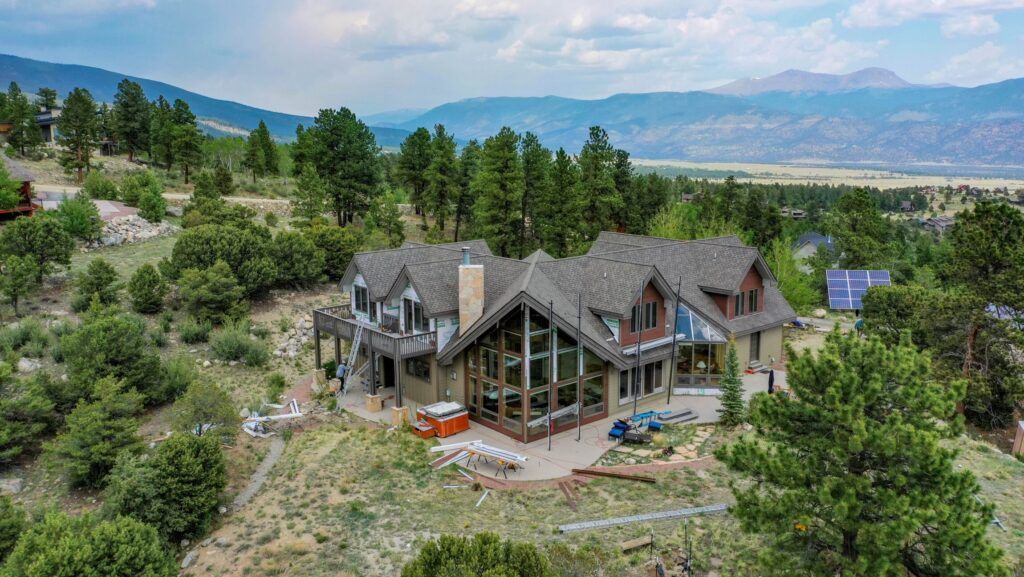
In some communities like the foothills west of Denver, the wells are drilled into fractured granite aquifers, not large underground reservoirs, and they rely on slow recharge from snowmelt and precipitation. Colorado’s mountain snowpack acts like a natural reservoir, feeding groundwater as it melts. Recent seasons have seen well-below-normal snowpack (some basins ~40–55%), reducing that recharge. This reduction in moisture produces less water that can seep into the fractures that supply our mountain wells.
Declining recharge rates lead to lower well output. During a drought, the static water level in the well can drop, causing wells to recover more slowly after use and reducing flow rates as a result. By late summer, during extended dry periods, some homeowners may notice weaker production. Lower-than-normal or no water pressure can cause well pumps to cycle more often and create shortages of water during peak use.
A drought is not usually catastrophic, but it is cumulative. Wells don’t typically fail instantly, but they can produce less water and recover more slowly if a drought persists. The biggest impacts are experienced late in the dry season. Thus, multi-year droughts become a greater concern because groundwater doesn’t recharge as quickly.
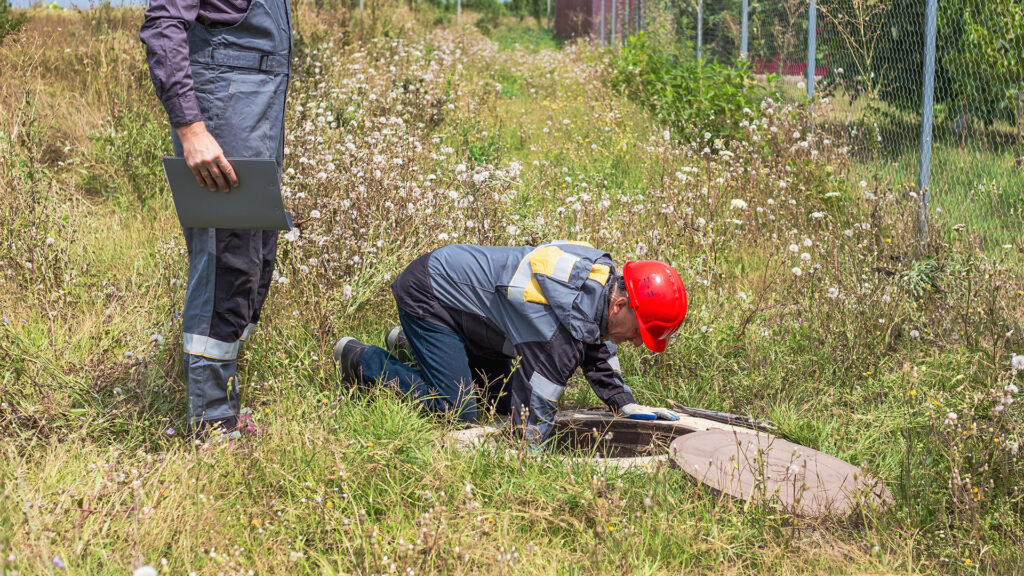
Low water or no water may not always be drought-related. Keep an eye on a sudden drop in volume versus a gradual decline, fluctuations in water pressure, a constantly running or short-cycling well pump, or changes in water quality like excessive sediment or cloudiness. Contact a licensed well water company to schedule an annual well equipment inspection to ensure that the system is working optimally. You should also consider adding well pump protection. This equipment is designed to shut the pump off when the water drops too low to prevent the well pump from burning out.
If your well production is noticeably different, spread your water usage throughout the day and reduce outdoor watering. Repair leaks immediately (a running toilet can easily drain a well). Schedule a well production test to determine the recharge rate of your well and to ascertain if you are a good candidate for water storage. A water storage system can be a cost-effective solution for low-producing mountain wells. Many wells naturally produce lower gallons per minute, but can still be sufficient with proper storage and prudent water usage.
In summary, your water supply is most likely lower than in previous years. Minimize excess water usage, collect water gradually by installing a storage system and engage a professional to evaluate your well equipment to maximize efficiency and make recommendations about protective measures to avoid premature failure. The goal is to be proactive instead of reactive in order to prolong well equipment life and avoid costly emergency repairs. Lastly, don’t forget to test your water quality periodically to ensure it is safe for your family and your home. The great news is that 99% of water quality issues are easily solvable and drought conditions are traditionally cyclical events.
Any content, resident submissions, guest columns, advertisements, and advertorials are not necessarily endorsed by or represent the views of Best Version Media LLC (BVM) or any municipality, homeowners associations, businesses, or organizations that this publication serves. BVM is not responsible for the reliability, suitability, or timeliness of any content submitted, inclusive of materials generated or composed through artificial intelligence (AI). All content submitted is done so at the sole discretion of the submitting party.