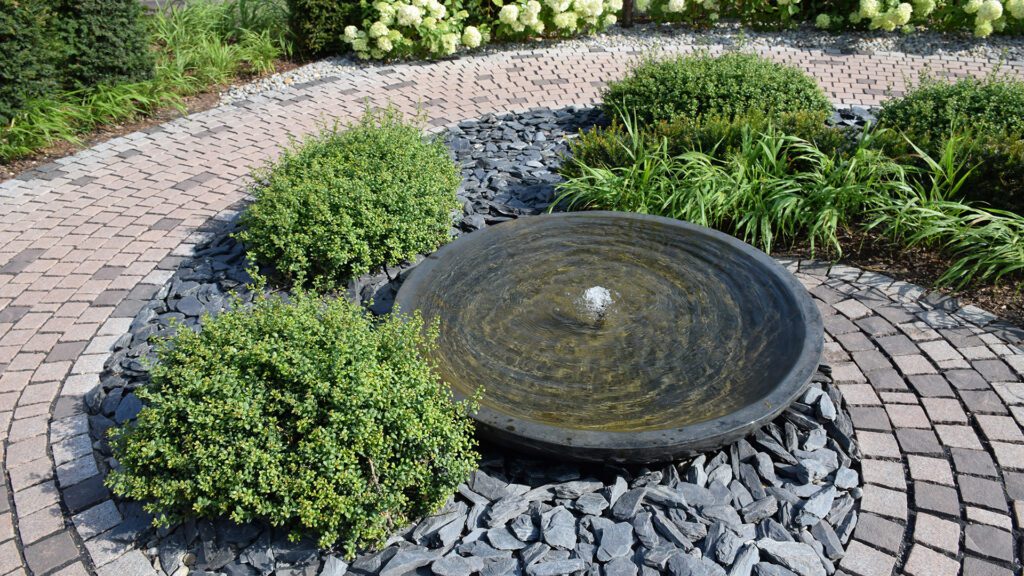
Landscaping does not have to be complicated or expensive to completely change the feeling of an outdoor space. With a few thoughtful details, a yard can become more than just grass and plants it can turn into a place people actually want to spend time in. DIY landscaping is about creating small “destinations” throughout your outdoor space that each serve a different purpose, whether that is relaxing, gathering, or simply enjoying nature. By focusing on simple projects with personality and function, you can create an outdoor environment that feels intentional, welcoming, and unique. Even smaller spaces can feel larger and more inviting when different areas are designed with a purpose in mind. A simple pathway, seating area, or collection of plants can help create a sense of flow and encourage people to explore and enjoy the yard more often.
1. The Herb Garden Retreat
A DIY herb garden is one of the easiest ways to create a destination in a backyard. Raised planters, small gravel paths, or even grouped pots can instantly make a corner feel designed and useful. Herbs like basil, rosemary, lavender, and mint add texture, fragrance, and color while also being practical for cooking or teas.
Adding a small bench or stepping stones can turn the area into a peaceful spot to visit every day. Many homeowners also enjoy herb gardens because they are relatively low maintenance and can work in almost any size yard or patio. Hanging planters and vertical garden walls can also help maximize smaller spaces while still creating a lush and welcoming atmosphere.
2. The Fountain: Choosing a Focal Point
Every landscape benefits from a focal point something that naturally draws attention and anchors the space. A simple fountain can do exactly that while adding movement and sound to the yard. DIY fountains can be created using stone bowls, recycled containers, or premade kits, making them approachable for many budgets. Surrounding the fountain with layered plants, decorative rocks, or pathway lighting helps create a destination that feels polished and inviting. Water features also help create a calming atmosphere by softening outdoor noise and adding a sense of movement to the landscape. Even a small fountain can make a backyard feel more intentional and relaxing while serving as a centerpiece for gatherings or quiet evenings outdoors.
3. The Calming Garden Space
A calming garden is designed to encourage rest and quiet moments. Soft textures, neutral colors, and gentle greenery help create a relaxing atmosphere. DIY elements like a hammock, garden arch, outdoor cushions, or low-maintenance plants can make the area feel cozy without requiring constant upkeep. Incorporating natural materials such as wood, gravel, and flowing plants helps the space feel peaceful and separated from everyday stress, even in a smaller yard. Adding solar lights, wind chimes, or shaded seating can further enhance the calming atmosphere and make the space enjoyable during both the day and evening hours.
Creating outdoor destinations through DIY landscaping allows you to build spaces that reflect your personality. Whether it is a practical herb garden, a fountain that serves as a focal point, or a calming retreat designed for relaxation, each area adds character and purpose to the yard. Landscaping does not need to happen all at once; even small changes can make a noticeable difference over time. By combining creativity with simple projects, anyone can transform an ordinary outdoor area into a welcoming retreat that encourages relaxation, connection, and enjoyment throughout the seasons.
Any content, resident submissions, guest columns, advertisements, and advertorials are not necessarily endorsed by or represent the views of Best Version Media LLC (BVM) or any municipality, homeowners associations, businesses, or organizations that this publication serves. BVM is not responsible for the reliability, suitability, or timeliness of any content submitted, inclusive of materials generated or composed through artificial intelligence (AI). All content submitted is done so at the sole discretion of the submitting party.