Few areas of coin collecting connect us to America’s beginnings quite like colonial coins. Long before the United States established a national mint, the colonies relied on a mix of foreign and locally produced coins to conduct business. Spanish silver dollars, British coppers, Dutch trade coins, and early American issues circulated together in a growing but often unpredictable economy.
During the 1600s and 1700s, the colonies faced a constant shortage of official British coinage. Because Britain restricted the flow of gold and silver to the colonies, merchants and citizens frequently used whatever currency was available. Spanish “pieces of eight” became especially popular due to their reliable silver content and widespread acceptance throughout the Atlantic world. This shortage eventually led several colonies to produce their own coinage, creating some of the most fascinating and collectible pieces in American history.
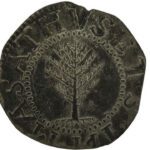
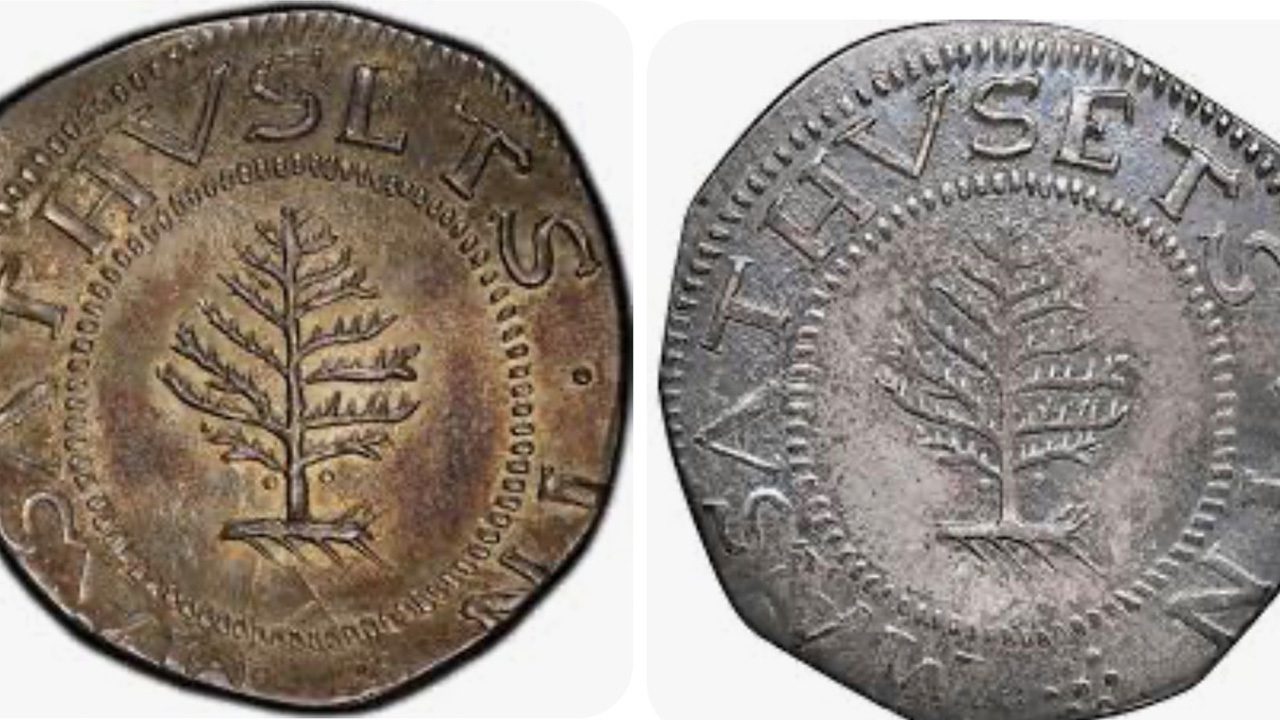
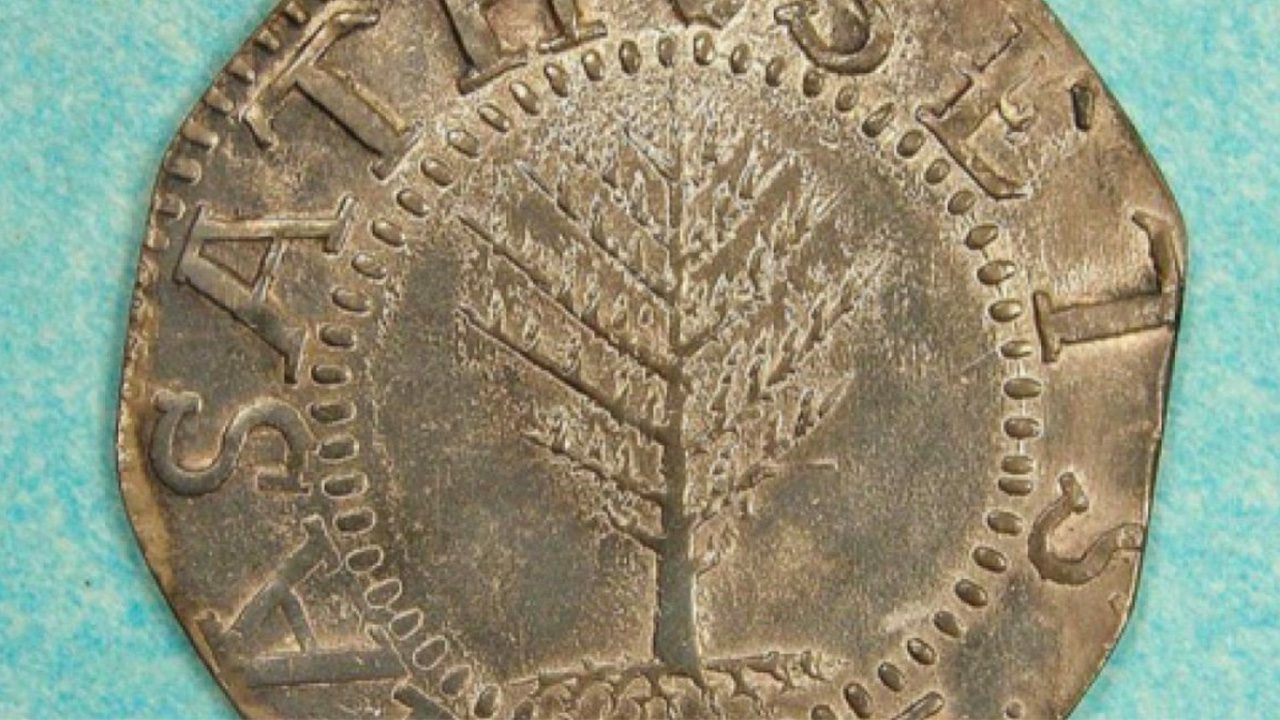
Among the most famous are the Massachusetts Pine Tree Shillings, first struck in 1652. Produced without direct royal authorization, these coins became a symbol of colonial ingenuity, independence, and self-reliance. Today, they are considered corner stone pieces of colonial collections and are highly prized for both their rarity and historical significance.
Colonial coin collecting offers a wide variety of opportunities for enthusiasts. Popular series include Connecticut Coppers, New Jersey Coppers, Vermont Coppers, and the famous Fugio Cent of 1787.
Often considered America’s first federal coin, the Fugio Cent carries the memorable motto, “Mind Your Business,” and remains one of the most sought-after coins from the nation’s founding era.
One of the most exciting aspects of colonial coin collecting is the opportunity for discovery. Because these coins were produced using primitive minting methods, no two are exactly alike. Hand-engraved dies, irregular planchets, and early production techniques created countless varieties that continue to be studied today. Collectors often examine subtle differences in lettering, portraits, and design elements, turning each coin into a small historical mystery.
While collecting colonial coins can be challenging due to rarity and the presence of counterfeits, the rewards are significant. Purchasing authenticated examples and learning the basics of grading can help new collectors build confidence while exploring the hobby.
More than collectibles, colonial coins are tangible pieces of America’s founding story. They connect us to the merchants, farmers, soldiers, and statesmen who helped shape a new nation. In a world increasingly dominated by digital transactions, colonial coins offer something increasingly rare—a direct, lasting connection to the people and events that formed the United States. For collectors, every coin is more than a piece of metal; it is a small but powerful witness to history.
Any content, resident submissions, guest columns, advertisements, and advertorials are not necessarily endorsed by or represent the views of Best Version Media LLC (BVM) or any municipality, homeowners associations, businesses, or organizations that this publication serves. BVM is not responsible for the reliability, suitability, or timeliness of any content submitted, inclusive of materials generated or composed through artificial intelligence (AI). All content submitted is done so at the sole discretion of the submitting party.