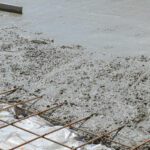
Concrete is one of the most durable materials you can invest in for your home—but only when it’s done right. After more than 20 years in the concrete flatwork industry, I’ve seen the same avoidable mistakes cost homeowners thousands of dollars.
One of the biggest misconceptions homeowners have is that all concrete projects are essentially the same. Many people focus on the finished appearance without understanding the preparation, materials, and timing that determine how well that concrete will perform years down the road. Whether you’re planning a new driveway, patio, sidewalk, or decorative stamped concrete, knowing what questions to ask can help you avoid costly problems and ensure a quality result.
Here are a few things I wish every homeowner knew before a single yard of concrete is poured.
Soil preparation matters more than the concrete itself. A beautiful slab is only as strong as what’s underneath it. If the base isn’t properly compacted and graded, you’ll see cracking and settling no matter how good the mix is. Always ask your contractor about their sub-base preparation process before the project starts.
Control joints are not optional. Concrete will crack—that’s a fact of physics. Control joints are strategically placed cuts that guide where those cracks occur, keeping them controlled and manageable. Skipping them to save time is a shortcut that almost always leads to regret.
Timing and weather play a huge role in the final result. Pouring concrete in extreme heat, cold, or rain can compromise its strength and surface finish. A reputable contractor will monitor conditions and adjust the schedule accordingly—or advise you to wait. Don’t let urgency override good judgment.
Not all concrete projects are equal—get the specifics in writing. Ask about the concrete mix strength (measured in PSI), thickness, reinforcement (wire mesh or rebar), and finishing method before work begins. These details directly affect how long your driveway, patio, or sidewalk will last. A trustworthy contractor will be transparent about each one of them.
Invest in Knowledge Before You Invest in Concrete. Concrete is a long-term investment, and the decisions made before the pour can have a major impact on the finished product. Taking the time to understand the process, ask questions, and work with an experienced contractor will help ensure your project looks great and performs as intended for years to come.
If you’re considering a concrete project, don’t be afraid to seek expert advice before getting started. A little planning today can save significant time, money, and frustration in the future—and help you enjoy results that will last for decades.
Any content, resident submissions, guest columns, advertisements, and advertorials are not necessarily endorsed by or represent the views of Best Version Media LLC (BVM) or any municipality, homeowners associations, businesses, or organizations that this publication serves. BVM is not responsible for the reliability, suitability, or timeliness of any content submitted, inclusive of materials generated or composed through artificial intelligence (AI). All content submitted is done so at the sole discretion of the submitting party.