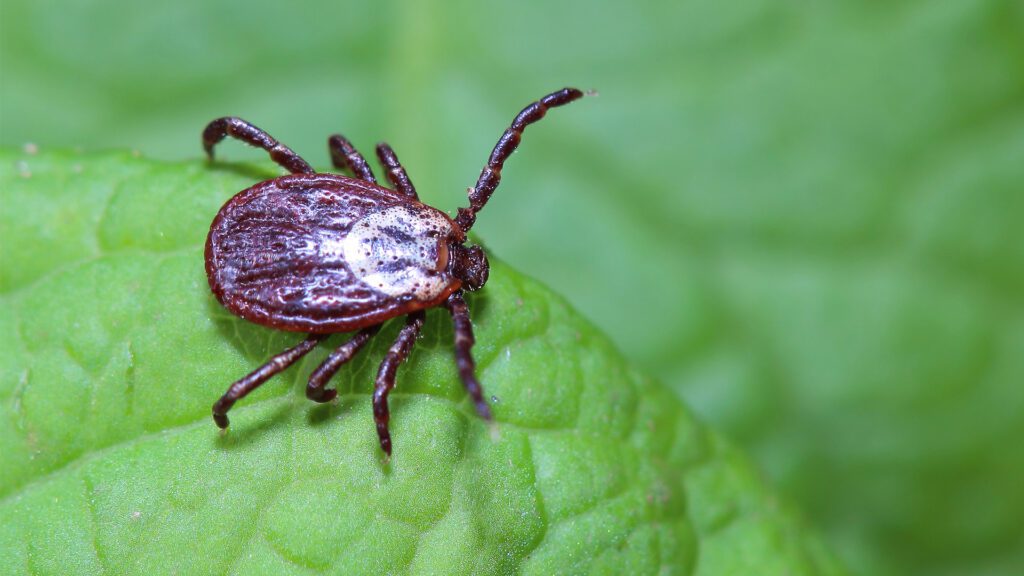
Fleas and ticks are among the most common and persistent external parasites affecting pets and humans worldwide. Beyond the discomfort they cause, these tiny creatures pose serious health risks — transmitting diseases like Lyme disease, Rocky Mountain spotted fever, bartonellosis, and tapeworms. A proactive, year-round prevention strategy is far more effective than treating an infestation after the fact.
Understanding the Threat
Fleas reproduce at a staggering rate. A single female flea can lay up to 50 eggs per day, meaning a small problem can become a full household infestation within weeks. Ticks, meanwhile, are resilient in cold weather and can survive in leaf litter, tall grass, and wooded areas through most of the year. Both parasites thrive in warm, humid conditions, making spring and summer the peak risk seasons — though in many climates, year-round vigilance is necessary.
Prevention Methods
Topical treatments and spot-ons are among the most widely used options. Applied directly to the skin between a pet’s shoulder blades, these monthly treatments kill or repel fleas and ticks on contact. Products vary by active ingredient — permethrin, fipronil, and imidacloprid are among the most common — and choosing the right one depends on the pet’s species, weight, and health status.
Oral preventatives have grown in popularity due to their convenience and effectiveness. Monthly or quarterly chewable tablets work systemically, killing fleas and ticks when they bite. Brands like NexGard, Simparica, Credelio Quattro and Bravecto fall into this category. A veterinarian’s prescription is typically required, which also ensures the correct product is matched to the animal.
Environmental control is equally critical. Washing pet bedding regularly, vacuuming carpets and furniture frequently, and treating the home with flea sprays or foggers can break the life cycle of fleas before they establish themselves. Yards should be kept trimmed, as tall grass and dense brush are prime tick habitats.
Year-Round Consistency
One of the most common mistakes pet owners make is stopping prevention treatments during cooler months. Ticks remain active at temperatures as low as 35°F (2°C), and indoor flea infestations can persist regardless of the season. Maintaining a consistent prevention schedule throughout the year closes the gaps that parasites exploit.
Conclusion
Flea and tick prevention is not a seasonal task — it is an ongoing commitment to the health of both pets and the people who live with them. By combining veterinarian-recommended treatments with environmental management and regular checks, pet owners can significantly reduce the risk of infestation and the diseases that come with it. The small investment in prevention is far less costly — financially and medically — than treating the consequences of neglect.
Any content, resident submissions, guest columns, advertisements, and advertorials are not necessarily endorsed by or represent the views of Best Version Media LLC (BVM) or any municipality, homeowners associations, businesses, or organizations that this publication serves. BVM is not responsible for the reliability, suitability, or timeliness of any content submitted, inclusive of materials generated or composed through artificial intelligence (AI). All content submitted is done so at the sole discretion of the submitting party.