In their seemingly never-ending seasons – whether football under the Friday night lights, soccer on a weekend morning, or basketball in a packed gym – sports play an important role in the lives of many children and teens. Along with the physical, social, and emotional benefits of athletics comes the responsibility of protecting young athletes from injury. Although I may be a tad biased, one of the most important and often overlooked pieces of protective equipment is the mouthguard, especially for patients undergoing orthodontic treatment.
Braces are designed to create beautiful, healthy smiles, but they also introduce additional considerations when participating in sports. Brackets, wires, and other orthodontic appliances can increase the risk of injury to the lips, cheeks, and gums if an athlete experiences a collision, fall, or impact to the face.
Without a mouthguard, a blow to the mouth can cause orthodontic hardware to cut soft tissues, damage teeth, bend wires, or even disrupt treatment progress. In severe cases, trauma can lead to broken teeth, emergency dental visits, and costly repairs.
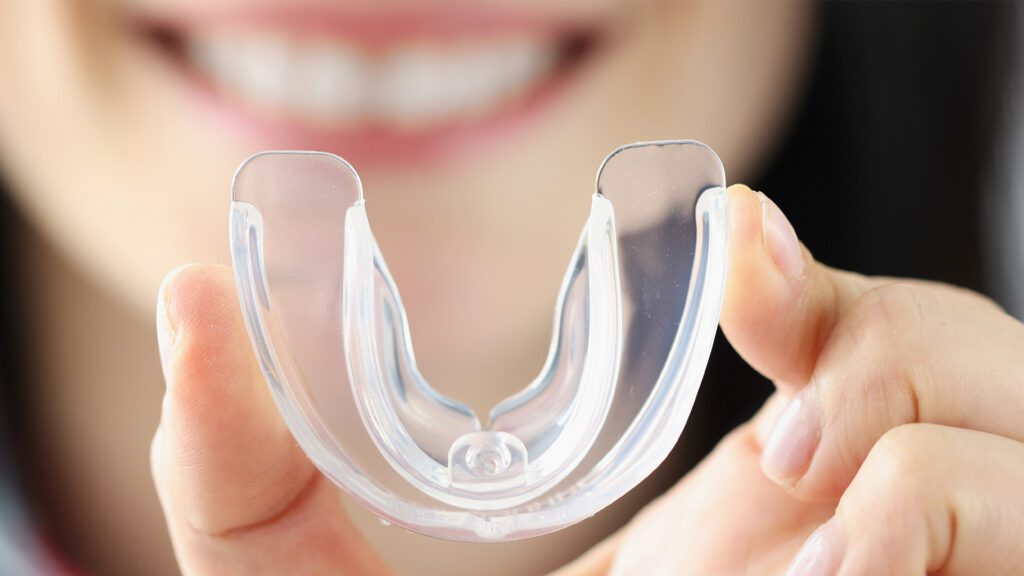
A properly fitted mouthguard acts as a cushion between the teeth and soft tissues of the mouth. It helps absorb and distribute the force of an impact, reducing the risk of injury to the teeth, jaws, lips, and cheeks. Research has consistently shown that athletes who wear mouthguards experience fewer dental injuries than those who do not. While helmets and face shields offer important protection, they are not substitutes for a well-fitting mouthguard.
Many people associate mouthguards with football, hockey, and wrestling, but dental injuries can occur in virtually any sport. Sports like basketball, baseball, softball, soccer, and cheerleading can result in unexpected facial impacts. The American Dental Association recommends mouthguard use for a wide variety of sports and recreational activities where the risk of oral injury exists.
Orthodontic patients should select a mouthguard designed specifically for use with braces. Unlike standard mouthguards, orthodontic mouthguards are made to accommodate tooth movement throughout treatment while still providing effective protection. Several types are available:
- Stock mouthguards: pre-formed and ready-to-wear, but they often provide the least comfortable fit.
- Boil-and-bite mouthguards: softened in hot water and molded to teeth.
- Custom-made mouthguards: fabricated by dental professionals, offering the highest level of comfort and protection. A popular choice among orthodontists is the Sisu mouthguard.
Although orthodontic treatment options like clear aligners may seem like a good mouthguard, it is not designed to absorb heavy impact. Most often the plastic of clear aligners is thinner than a sports mouthguard and can crack or deform. Patients should consult their orthodontist regarding the most appropriate option for their individual treatment plan and athletic activities.
Orthodontic treatment represents a significant investment of time, effort, and resources. Wearing a mouthguard during sports is one of the simplest and most effective ways to protect that investment while safeguarding overall oral health. For young athletes, a mouthguard should be viewed no differently than a helmet, shin guards, or other protective equipment. Encouraging consistent mouthguard use is an easy step that can make a lasting difference – protecting smiles both during orthodontic treatment and beyond.
Wear your mouthguard, and keep smiling.
Any content, resident submissions, guest columns, advertisements, and advertorials are not necessarily endorsed by or represent the views of Best Version Media LLC (BVM) or any municipality, homeowners associations, businesses, or organizations that this publication serves. BVM is not responsible for the reliability, suitability, or timeliness of any content submitted, inclusive of materials generated or composed through artificial intelligence (AI). All content submitted is done so at the sole discretion of the submitting party.