Have you ever wondered what our Founding Fathers drank to celebrate the signing of the Declaration of Independence? As a wine enthusiast, I was curious.
A few years ago, I became a level one Wine and Spirits Education Trust (WSET) graduate. I wanted to take my knowledge of wine and learn more about wine and food pairings, varietals, and techniques that make the vinos we love most. (Pairings are one of my favorite additional offers to clients when creating tablescapes for special events.) When I dug into history, I was surprised to learn that a wine from Portugal was used to toast the founding of our country.
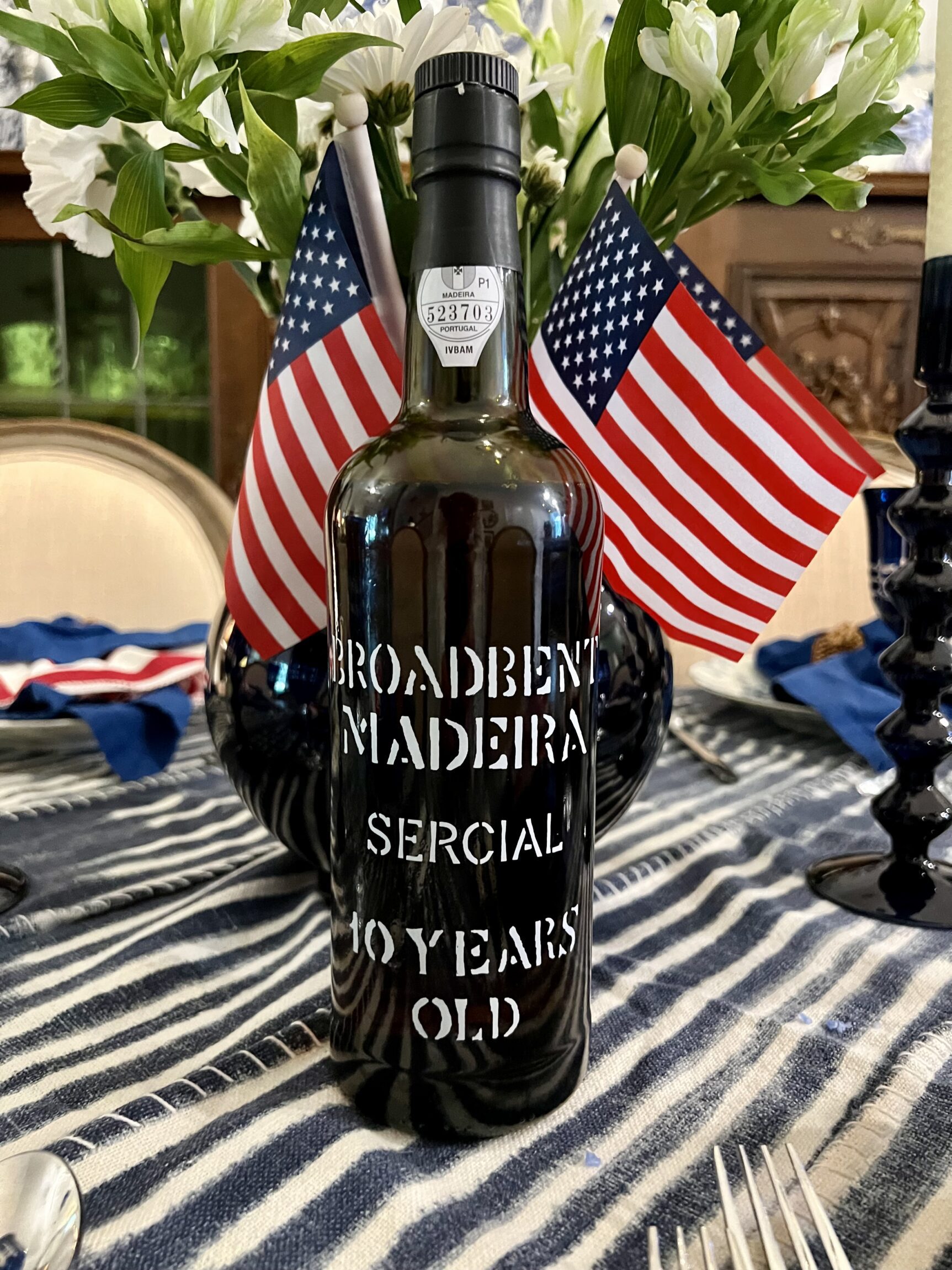
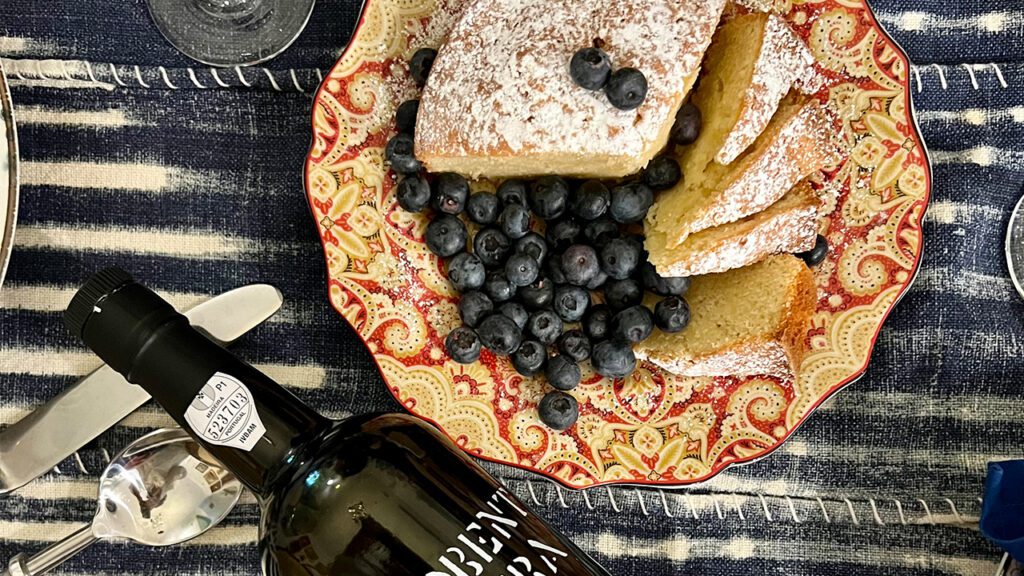
(Photo by Heda Waldrep)
The wine is Madeira, a fortified wine. Fortified means that a spirit, like Brandy, was blended to create a distinct flavor palate. You may recognize other fortified wines, such as port or sherry. Madeira can be sweet and dry, and I like to think the Founding Fathers chose the sweet version because it was a close relative to port. Madeira is a wonderful digestif (after-dinner drink to aid digestion) and would pair well with a traditional blueberry pie or summer fruit cobbler. However, it also works beautifully with savory foods, so you can enjoy it anytime throughout your meal.
Madeira’s namesake is an island 500 miles off the coast of Portugal which was once a main stop for ships on trade routes. Settlers brought grape vines from Europe and learned to cultivate grapes on the rocky terrain to make wine. The addition of brandy helped to stop the fermentation of the grapes, so Madeira could be stored in barrels and transported without refrigeration. On trade routes, you would have discovered ships with barrels of the wine used as ballasts to keep vessels stable and buoyant. How lovely to imagine the sway of the ships riding thousands of miles on the ocean through fluctuating temperatures in various climates to create an environment to age the wine into unique flavors.
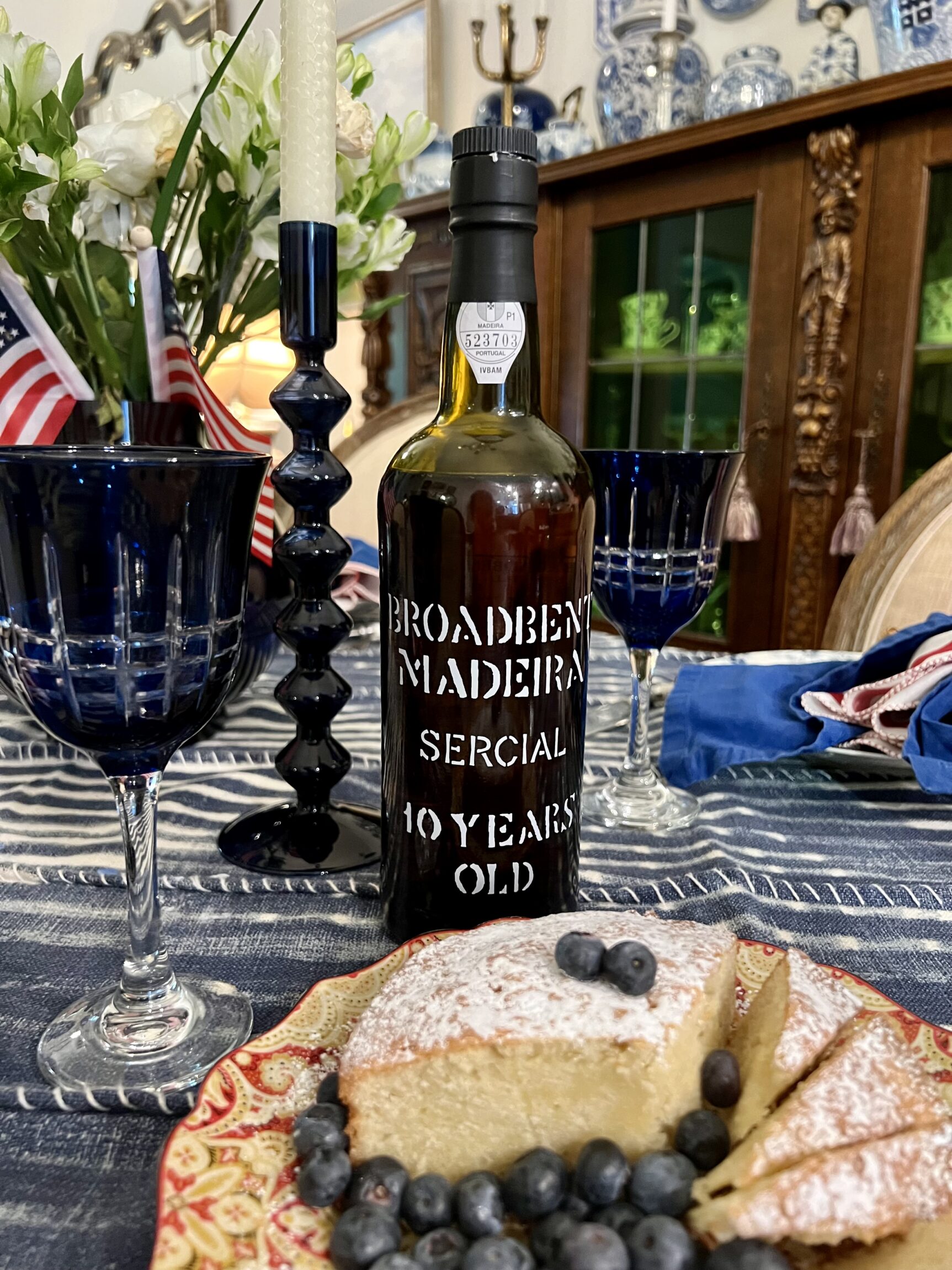
(Photo by Heda Waldrep)
Another interesting fact about Madeira is that it doesn’t oxidize once opened, so you can enjoy a bottle for years without affecting the flavor. This comes in handy, considering Madeiras are popular wines you’ll find in auction houses. In 2015, a 300-year-old bottle sold for $19,600 at Christie’s, possibly the oldest bottle in existence. This bottle was initially corked in 1715, many years before our country was founded. However, you can also find Madeiras for more affordable prices, around $7 dollars to hundreds of dollars. (The wine featured in these photos is a ten-year-old bottle retailing around fifty dollars.) While most wines hit a turning point before their 50th year, Madeira gains value through its drinkability even after hundreds of years, further validating its high price at auction.
Rumor has it that Betsy Ross drank Madeira as she sewed our flag, “Old Glory,” and months later, bottles of the wine were used to toast the signing of our Declaration of Independence – around 54 bottles worth (among numerous bottles of other spirits such as whisky, claret, cider, and beer.) Almost a decade later, George Washington toasted his inauguration as the United States’ first president with Madeira. It’s also said that the former president enjoyed a pint a day to help with tooth pain. What were other significant events when Madeira quenched a thirst? The writing of the “Star-Spangled Banner” by Francis Scott Key, and while the ink dried for the Louisiana Purchase.
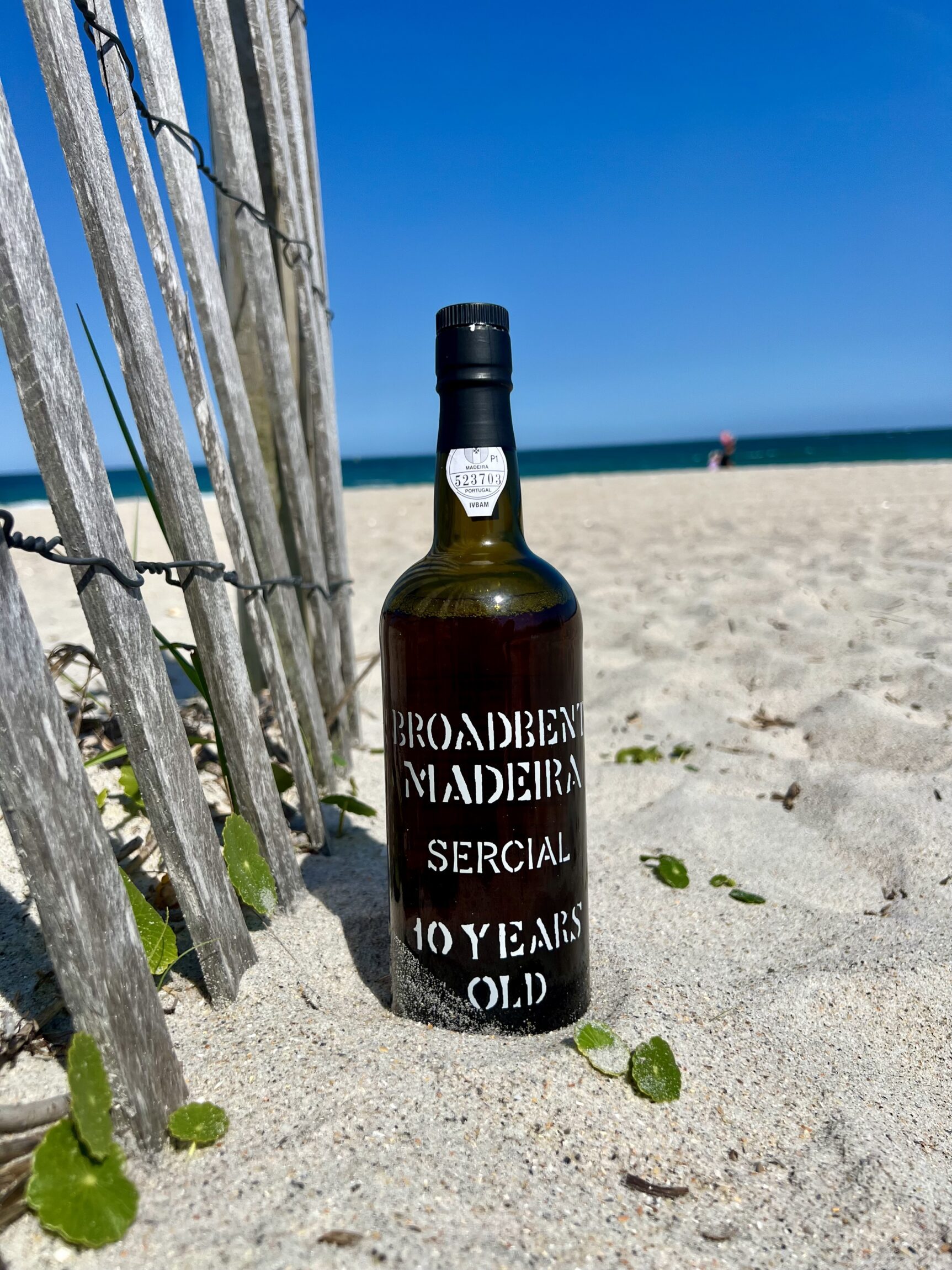
(Photo by Heda Waldrep)
As you can see, Madeira was once known as America’s Wine for good reason. So now, when you gather with friends and family this summer, impress them with new knowledge of the oldest wine in the world. Cheers to you and your loved ones for a safe and fun summer.
And, America, cheers to you!!
As a bonus, here’s a recipe for a classic British cake, also known as the Madeira Cake. It’s a wine-free dessert traditionally enjoyed with a glass of Madeira or a cup of tea. I found this recipe online on a food blog called Christina’s Cucina. Bon Appetit!
Madeira Cake (A Classic British Cake)
Yield: 10 servings
Prep Time: 10 minutes
Bake Time: 1 hour 15 minutes
Total Time: 1 hour 25 minutes
Ingredients:
- 2 sticks unsalted butter
- Just under 1 cup sugar
- 5 eggs
- 2 ½ cups all-purpose (plain) flour
- 2 tsp baking powder
- pinch of salt
- grated rind of one organic lemon
- ½ tsp sugar
Instructions:
- Preheat the oven to 350˚F
- Sift the flour, baking powder, and salt and set aside.
- Cream the butter and sugar together until light and fluffy.
- Add one egg at a time, clearing after each addition. Then add a heaping tablespoonful of flour after adding 2 eggs (this will help the batter not to curdle.) Repeat after another 2 eggs.
- After all the eggs have been mixed, add the grated lemon rind and the remaining flour mixture.
- Fold in the flour gently. It’s a dry cake batter, so it’s ok if you think it’s turning into a dough.
- Keep folding until the flour is evenly mixed and the batter smooth. (Remember, it is much heavier than a standard sponge or cake batter.)
- Spread the cake batter into a prepared 8″ springform pan. Sprinkle the top with a teaspoon of sugar.
- Bake for about an hour and 15 minutes, or until a cake tester comes out dry when placed into the center of the cake. Allow to cool in the tin for about 15 minutes, then remove and place on a cooling rack to cool completely before serving.
- Add powdered sugar and berries (optional.)
- Cut into wedges or slices.
- Serve with Madeira Wine, tea, or your choice of beverage.
Any content, resident submissions, guest columns, advertisements, and advertorials are not necessarily endorsed by or represent the views of Best Version Media LLC (BVM) or any municipality, homeowners associations, businesses, or organizations that this publication serves. BVM is not responsible for the reliability, suitability, or timeliness of any content submitted, inclusive of materials generated or composed through artificial intelligence (AI). All content submitted is done so at the sole discretion of the submitting party.