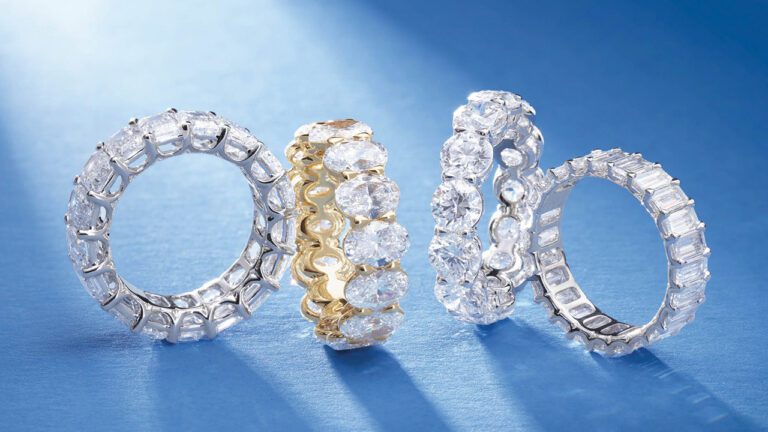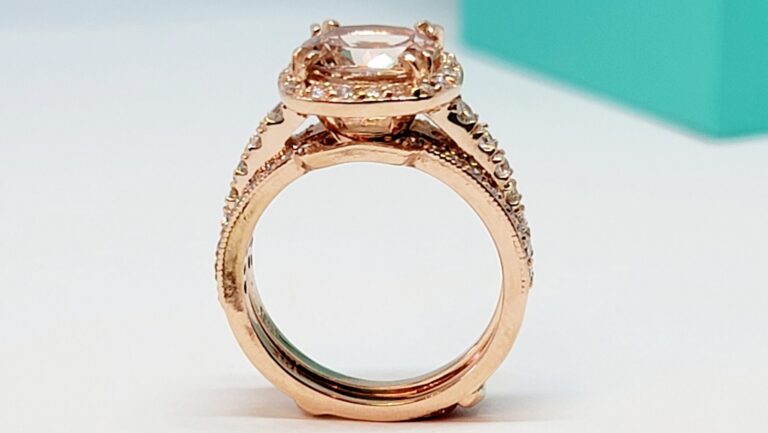
This is one of the questions I have been asked most over the past couple of years.
When I attended the Texas Institute of Jewelry Technology, lab grown diamonds were already available. There was a wide range of shades and colors that could be produced. At that time, however, it was against the law in the United States to make or sell white lab grown diamonds. Lab grown diamonds were first successfully created by General Electric in 1954 and were originally developed for industrial use. They did not reach the retail market until the 1970s.
A lab grown diamond is a diamond created in a controlled laboratory environment using either Chemical Vapor Deposition (CVD) or High Pressure High Temperature (HPHT) methods. These stones are optically identical to earth mined diamonds and share the same chemical and physical properties. They can also receive certification just like natural diamonds. Each process begins with a diamond seed, a small piece of diamond used to grow the crystal. Both methods allow diamonds to form in a matter of weeks, making them more available and often more cost effective.
Yes, lab grown diamonds are real diamonds. They are graded on the same strict scale as natural diamonds. In many cases, they receive higher color and clarity grades because they do not form with the same natural inclusions found in earth mined stones.
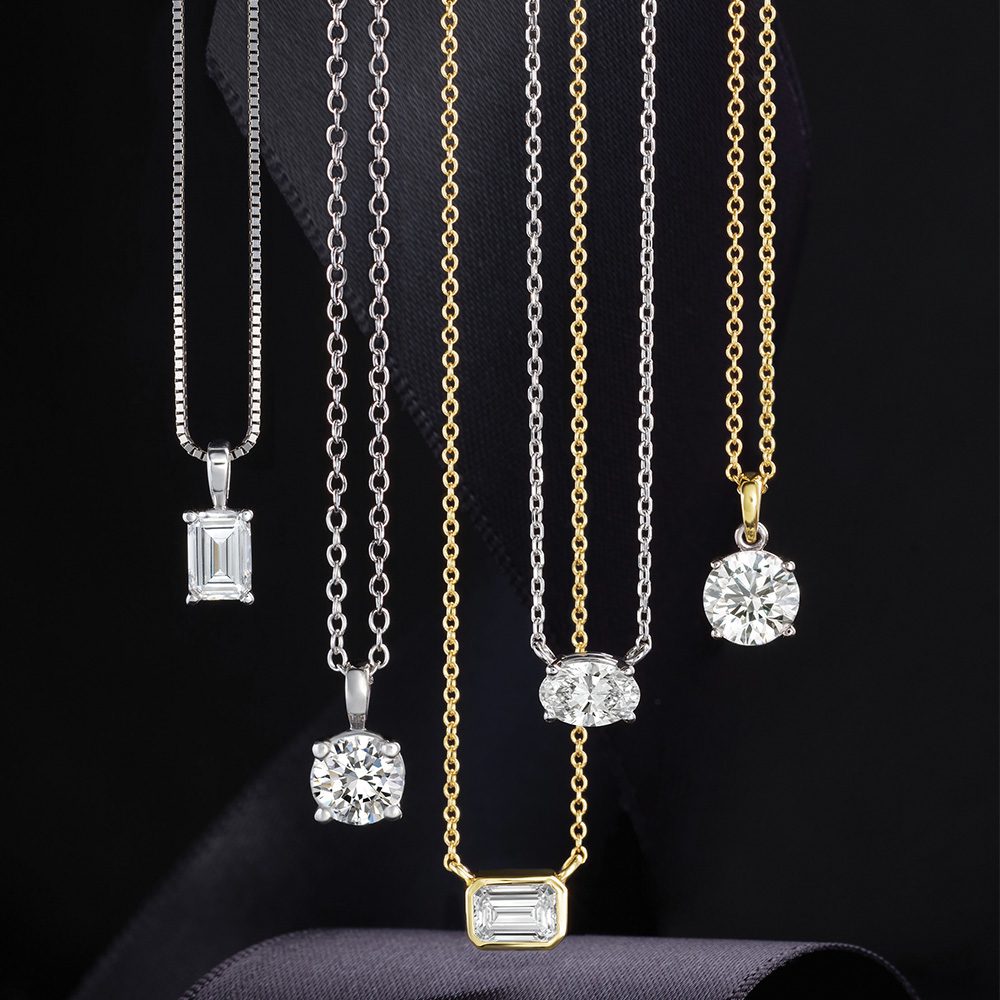
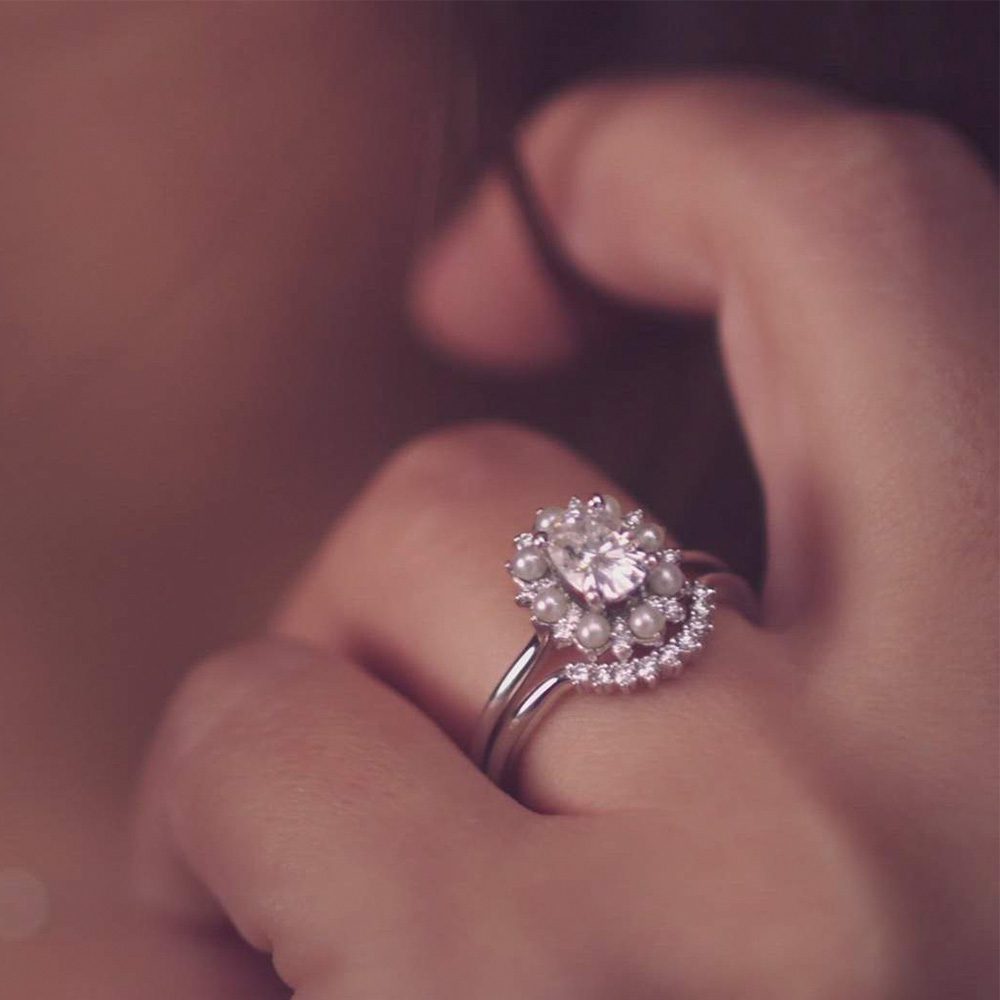
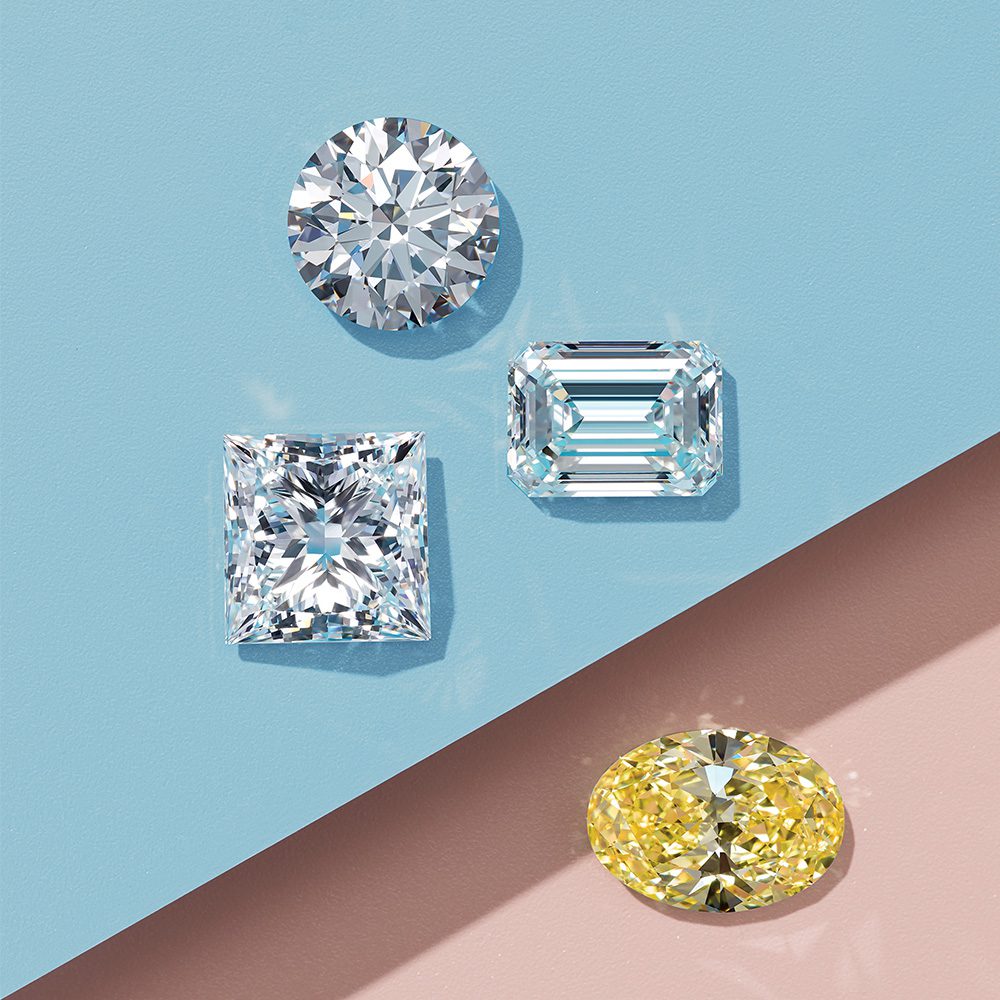
How do you tell a lab grown diamond from an earth mined diamond? It is extremely difficult. A trained gemologist must use specialized equipment to determine the difference. There are a few visual clues, but scientific verification requires proper tools. One common indicator is clarity. If a stone appears unusually free of inclusions, it raises the question of whether it is lab grown. Many lab grown diamonds also have a laser inscription on the girdle with a laboratory name or certification number.
Both lab grown and earth mined diamonds score a 10 on the Mohs Hardness Scale, which measures scratch resistance in gemstones and minerals.
If you are looking to invest in diamonds, I typically recommend earth mined diamonds. They tend to hold and grow in value over time. Lab grown diamonds do not hold value in the same way. If you are looking for the most size for your budget, lab grown diamonds offer that advantage, but resale value is significantly lower than earth mined diamonds.
Stop by the store where we have a set of stones for you to compare and see if you can tell the difference yourself. In this set, we have a natural diamond, a lab grown diamond, a moissanite, and a cubic zirconia, all 1 carat rounds. It is always fun to track the guesses over time.
Any content, resident submissions, guest columns, advertisements, and advertorials are not necessarily endorsed by or represent the views of Best Version Media LLC (BVM) or any municipality, homeowners associations, businesses, or organizations that this publication serves. BVM is not responsible for the reliability, suitability, or timeliness of any content submitted, inclusive of materials generated or composed through artificial intelligence (AI). All content submitted is done so at the sole discretion of the submitting party.