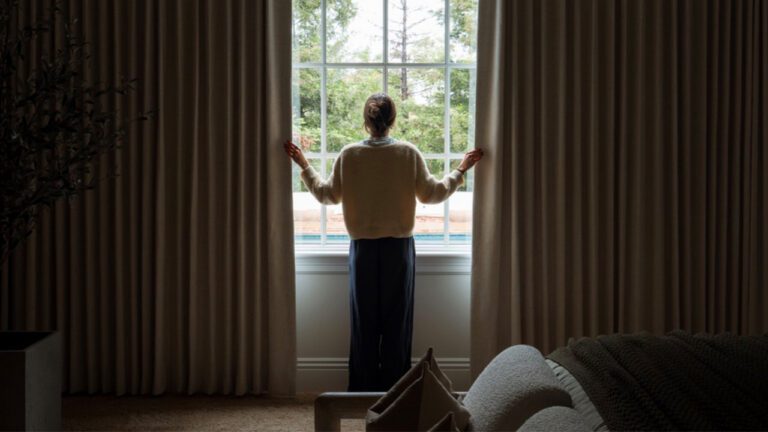
Summer in Michigan has a particular energy. People are traveling, spending time at the lake, visiting family, attending fairs and filling their calendars. For many older adults, though, that same busyness can quietly highlight something they may not want to say out loud: their own days have become very quiet.
Loneliness in older adults is not a new concern, but it is getting more of the attention it deserves. The U.S. Surgeon General has identified loneliness and social isolation as serious public health concerns, with research linking a lack of social connection to increased risks for heart disease, dementia, depression and premature death. The health impact of low social connection has been compared to smoking up to 15 cigarettes a day.
Those statistics are striking, but behind them are very personal stories. A spouse who has passed away. Friends who no longer drive. Adult children with full schedules. A church or club routine that has become harder to maintain. Over time, a person’s world can become smaller without anyone intending for that to happen.
Families often focus on the visible parts of aging, such as mobility, medication, nutrition and safety at home. Those things matter. But a person’s social and emotional well-being matters, too. The Centers for Disease Control and Prevention notes that social connection can provide emotional support as well as practical support, such as a ride to the doctor or grocery store. Connection helps people feel known, supported and less alone.
In my experience, place matters. Where someone lives can shape how easy it is to stay connected. A strong community does more than place people near one another. It creates opportunities for shared meals, meaningful activities, everyday conversations and relationships that grow over time. It includes staff who know residents by name, neighbors who notice when someone is missing from lunch and a culture where belonging is treated as essential to well-being.
For older adults who are still autonomous, Independent Living can offer freedom from home maintenance while making connections easier to access. Residents have their own private space, but they also have opportunities to enjoy meals, activities, events and friendships close to home.
For those who need more support, Assisted Living can help with daily routines while still encouraging independence and involvement. Help with medications, meals, personal care or mobility can remove stress from the day and make it easier for someone to participate in community life.
If you have a parent or loved one who seems more withdrawn this summer, take time to notice what their days look like. Are they staying connected and engaged, or are their routines becoming smaller and quieter? The goal is to understand what daily life feels like and whether more connection, support and community could help.
We were not made to be alone. At every age, people need purpose, friendship and a sense of belonging. Sometimes the right community, like Royal Park Place, can make those things easier to find again.
For more information, visit www.providencelifeservices.com/communities/royalparkplace.
Any content, resident submissions, guest columns, advertisements, and advertorials are not necessarily endorsed by or represent the views of Best Version Media LLC (BVM) or any municipality, homeowners associations, businesses, or organizations that this publication serves. BVM is not responsible for the reliability, suitability, or timeliness of any content submitted, inclusive of materials generated or composed through artificial intelligence (AI). All content submitted is done so at the sole discretion of the submitting party.