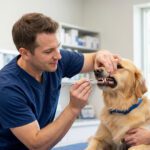
Dental health is one of the most overlooked aspects of caring for dogs and cats. Many pet owners are diligent about vaccinations, parasite prevention, and nutrition, but oral health often receives far less attention. This is surprising because dental disease is among the most common medical conditions seen in veterinary practice. Most pets over the age of three already show signs of periodontal disease, yet it often goes unnoticed until it becomes advanced.
One of the biggest challenges is that pets rarely show obvious signs of oral pain. Dogs and cats instinctively hide discomfort, a behavior rooted in survival instincts. A pet may continue eating normally even with significant dental disease, leading owners to assume everything is fine. Meanwhile, plaque and tartar accumulate, gums become inflamed, and bacteria begin damaging the tissues that support the teeth. Left untreated, this process can lead to tooth loss, chronic pain, and infection.
Because dental disease often progresses quietly, pet owners should pay attention to changes that may indicate a problem. Persistent bad breath, visible tartar, inflamed gums, or changes in eating behavior can all be reasons to schedule a veterinary evaluation. Even when a pet appears comfortable, regular dental exams are important because problems are often easier and less costly to address when identified early.
The effects of dental disease can extend beyond the mouth. Bacteria from infected gums can enter the bloodstream and may contribute to problems involving vital organs. Maintaining good oral health is therefore not simply about fresher breath or cleaner teeth; it is an important part of supporting a pet’s overall well-being and longevity.
Professional dental care and at-home maintenance work best together. Veterinary dental exams help identify problems, while professional cleanings remove plaque and tartar that cannot be addressed at home. Although some owners worry about anesthesia, modern veterinary anesthesia is carefully monitored and allows dental procedures to be performed safely.
At home, daily or routine tooth brushing, dental chews, and veterinarian-approved oral products can help slow the progression of dental disease. These preventive measures are most effective when combined with professional care rather than used as a replacement for it.
By making dental health a priority, pet owners can better protect their pets from avoidable pain and advanced disease. Consistent attention to oral health can improve comfort, quality of life, and long-term health, making it one of the most impactful and underappreciated parts of responsible pet care.
Any content, resident submissions, guest columns, advertisements, and advertorials are not necessarily endorsed by or represent the views of Best Version Media LLC (BVM) or any municipality, homeowners associations, businesses, or organizations that this publication serves. BVM is not responsible for the reliability, suitability, or timeliness of any content submitted, inclusive of materials generated or composed through artificial intelligence (AI). All content submitted is done so at the sole discretion of the submitting party.