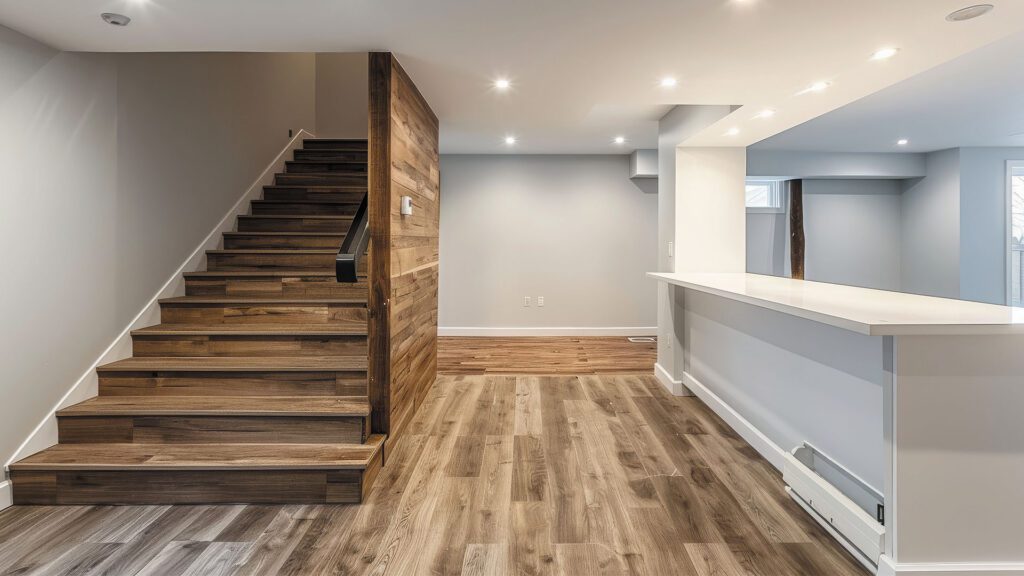
Luxury vinyl plank, or LVP, has become one of the most popular flooring choices in American homes. It looks like hardwood, resists water better than almost anything else on the market, and costs a fraction of the price of natural materials. But as LVP has flooded the market, so has bad advice about how to install, clean, and maintain it.
“Most damage traces back to a handful of avoidable mistakes.”
The Do’s
▪ Let it acclimate. LVP expands and contracts with temperature and humidity, just like real wood. Boxes should sit in the installation room for at least 48 hours beforehand. Skipping this is a leading cause of buckling and gapping later.
▪ Fix the subfloor first. LVP is thin and flexible, so it telegraphs every bump or dip underneath it. A flat, clean, dry subfloor is essential.
▪ Use the right cleaner. A pH neutral cleaner made for vinyl or laminate is safest. Diluted vinegar and water is popular online advice, but frequent use can dull the finish over time.
▪ Protect furniture contact points. Felt pads under furniture legs prevent dents, which matter more with LVP than solid flooring since it sits on a foam or cork underlayment.
▪ Sweep or vacuum regularly. Grit acts like sandpaper underfoot. Dry cleaning before wet mopping prevents surface scratches.
▪ Control humidity and temperature. Extreme swings, especially in sunrooms or garages without consistent HVAC, can cause planks to shift or separate at the seams.
The Don’ts
▪ Don’t assume waterproof means flood proof. Waterproof LVP resists surface spills, but standing water that seeps into seams can still cause mold in the subfloor or adhesive failure.
▪ Don’t use steam mops. This is the most common mistake homeowners make. Heat and moisture forced into seams can loosen adhesive and warp edges, and most manufacturers explicitly warn against it despite marketing that claims steam mops work on “all hard floors.”
▪ Don’t use wax, polish, or oil-based cleaners. These leave residue that dulls the finish, attracts dirt, and can make floors slippery. LVP doesn’t need waxing.
▪ Don’t drag heavy furniture. Dragging without protective pads or sliders can gouge or tear the wear layer, even on durable products.
▪ Don’t skip the expansion gap. Installers sometimes shrink the recommended perimeter gap for tighter transitions. Without it, planks have nowhere to go as they expand, leading to buckling, especially in larger rooms.
▪ Don’t install over uneven or damp subfloors. Trapped moisture has nowhere to evaporate, which can lead to adhesive breakdown, mold, and a musty smell that’s hard to trace later.
▪ Don’t skip periodic deep cleaning. LVP is marketed as low maintenance, but grout lines in tile-look planks, high traffic areas, and homes with pets still benefit from deeper cleaning beyond a regular mop.
WHEN TO CALL A PROFESSIONAL
Even with careful upkeep, LVP floors can develop a dull, hazy film over time. It’s often the result of years of acrylic floor polish buildup from products marketed as “safe for LVP.” These products are frequently applied too heavily or unevenly for most LVP floors, leaving a residue that dulls the finish rather than protects it. Periodically hiring a professional floor care company, such as Hestia FloorCare, to clean and restore LVP floors can correct minor scratches and strip away that built up residue safely, without damaging the wear layer, restoring the floor closer to its original finish.
LVP earns its popularity: durable, water resistant, and forgiving. But most damage traces back to a handful of avoidable mistakes, like skipping acclimation, using the wrong tools, or ignoring small installation details. Treat it with basic care, and it will comfortably outlast its warranty.
Any content, resident submissions, guest columns, advertisements, and advertorials are not necessarily endorsed by or represent the views of Best Version Media LLC (BVM) or any municipality, homeowners associations, businesses, or organizations that this publication serves. BVM is not responsible for the reliability, suitability, or timeliness of any content submitted, inclusive of materials generated or composed through artificial intelligence (AI). All content submitted is done so at the sole discretion of the submitting party.